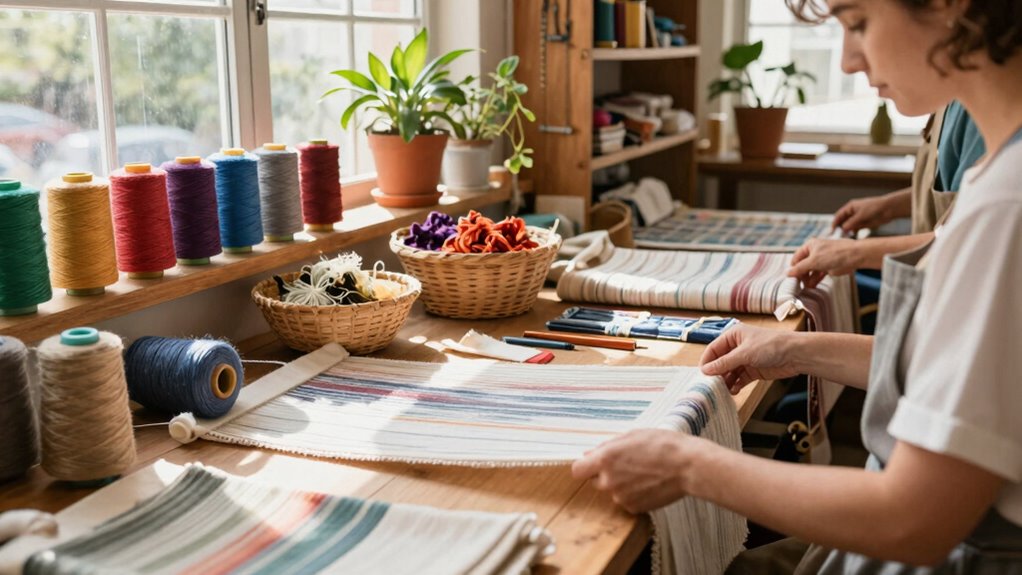

An ethical fashion supply chain guarantees that every step, from raw materials to finished products, follows fair and transparent practices. You’ll find brands using sustainable materials like organic cotton and recycled fibers while maintaining fair labor standards through certifications and audits. These efforts protect workers’ rights, promote social equity, and reduce environmental harm. By choosing brands that prioritize transparency and responsibility, you support a more sustainable and just fashion industry—there’s much more to discover about how this works.

Get school and study supplies delivered free — and shop member deals
- Fast, free delivery on millions of items
- Access to Prime Big Deal Days deals on October 6–7
- Prime Video, Amazon Music and more included
Key Takeaways
- Ethical fashion supply chains prioritize transparency, sharing information about raw materials, worker conditions, and certifications.
- They focus on using sustainable materials like organic cotton and recycled fibers to reduce environmental impact.
- Fair labor practices ensure workers are paid fairly, work in safe conditions, and are treated with dignity.
- Certifications and third-party audits verify compliance with sustainability and fair labor standards, building consumer trust.
- Consumer demand for responsible brands encourages industry-wide improvements in sustainability and workers’ rights.
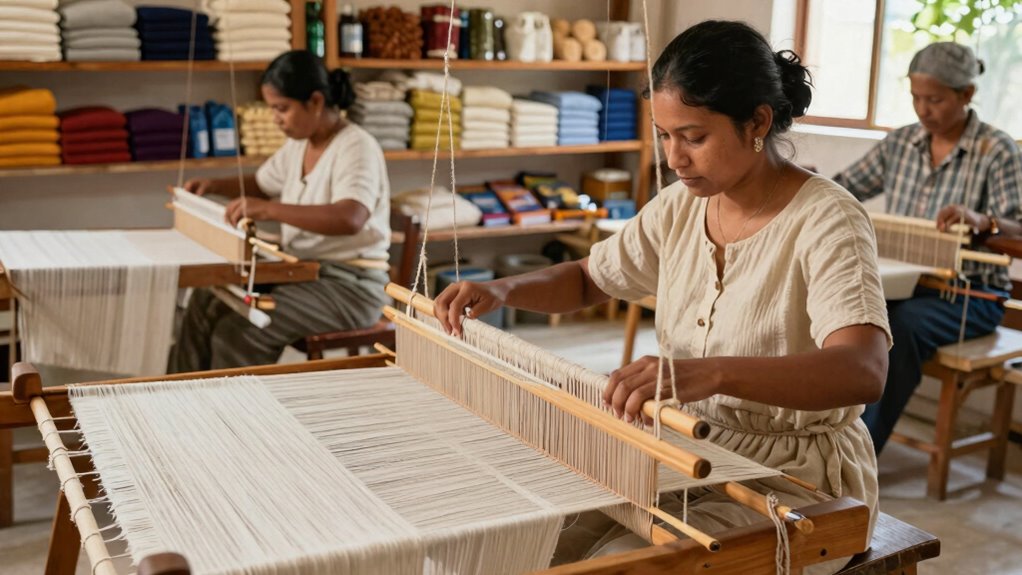
In recent years, more consumers have begun to demand transparency and responsibility from fashion brands, recognizing that ethical supply chains are essential for sustainable style. You’re increasingly aware that the clothes you buy should not only look good but also be produced responsibly. You awareness pushes brands to prioritize ethical practices, ensuring that every step of their supply chain—from raw materials to finished products—is transparent and fair. When brands commit to using sustainable materials, they reduce environmental harm by choosing fabrics like organic cotton, recycled fibers, or plant-based dyes. These choices help lower pollution and conserve resources, aligning with your desire for environmentally friendly fashion. Moreover, fair labor practices become a vital part of the story, ensuring workers are paid fairly, work in safe conditions, and aren’t exploited. You want to support brands that treat their workers with dignity, recognizing that ethical production benefits everyone involved in making your clothing.
Understanding ethical fashion supply chains means knowing that transparency is key. Brands that openly share information about where their materials come from and how their workers are treated give you the confidence to make informed choices. This transparency often involves third-party audits and certifications that verify claims about sustainability and labor standards. When you see labels or certifications indicating fair labor practices, it reassures you that the workers behind your clothes are paid living wages and operate in safe environments. These practices also promote social equity, helping to lift communities out of poverty and promote sustainable development. Recognizing the importance of sustainable materials is part of understanding the entire supply chain process, which ultimately benefits the environment and society. You become part of a larger movement when you choose brands that prioritize both eco-friendly materials and fair labor standards. Additionally, understanding the role of certifications can help you identify trustworthy brands committed to ethical practices. Gaining insight into ethical supply chain practices empowers you to make more conscious purchasing decisions and advocate for positive change within the fashion industry. Having a clear understanding of transparency in supply chains can further motivate your support for genuinely responsible brands.
Your buying decisions influence the industry, encouraging brands to improve their supply chains. As more consumers like you demand accountability, companies start investing in sustainable materials and ethical labor practices. This shift can lead to innovations in fabric production and a stronger commitment to worker rights. By supporting brands that focus on these values, you’re helping to create a more responsible fashion industry. It’s not just about the style or price; it’s about supporting a system that values sustainability and fairness. Every purchase becomes a statement, showing that you care about the origin of your clothes and the people behind them. Ultimately, understanding ethical supply chains empowers you to make choices that align with your values and contribute to a more sustainable, just fashion future.
As an affiliate, we earn on qualifying purchases.
Frequently Asked Questions
How Do Ethical Supply Chains Impact Product Pricing?
Your product’s price skyrockets with ethical supply chains because of supply chain transparency and fair labor practices. You’re paying for ethically sourced materials, living wages, and safe working conditions, which dramatically increase costs. While it might seem like a lot, you’re supporting a system that values people and planet. This commitment to ethics means your purchase isn’t just a product—it’s a statement for sustainability and justice.
What Certifications Indicate a Truly Ethical Fashion Supply Chain?
You can identify a truly ethical fashion supply chain through certifications like Fair Trade, which guarantees fair wages and sustainable practices, and those emphasizing strong Labor Rights. These certifications demonstrate that the brand adheres to ethical standards, supporting workers’ rights and environmental responsibility. When shopping, look for labels like Fair Trade Certified or WRAP (Worldwide Responsible Accredited Production) to ensure you’re choosing ethically produced fashion.
How Can Consumers Verify a Brand’s Supply Chain Ethics?
You can verify a brand’s supply chain ethics by researching their transparency issues and labor rights practices. Look for brands that openly share detailed information about their factories, sourcing, and working conditions. Check for third-party certifications and ethical audits. Engage with brands directly through questions or social media. By doing so, you guarantee they prioritize fair labor rights and address transparency issues, aligning your choices with your values.
What Are Common Challenges in Maintaining Ethical Supply Chains?
Think of maintaining ethical supply chains as steering a ship through turbulent waters. You face hidden icebergs like labor violations and environmental impact that threaten to sink your efforts. Consistently monitoring suppliers and enforcing standards helps steer clear of these dangers. Yet, challenges like complex global networks and cost pressures make it difficult to guarantee every link is ethical, requiring vigilance, transparency, and commitment to uphold integrity in your supply chain.
Do Ethical Supply Chains Affect Fashion Trends and Innovation?
Yes, ethical supply chains influence fashion trends and innovation by encouraging sustainable design and honoring cultural influences. You’ll notice designers prioritize eco-friendly materials and fair labor practices, which shape new styles. This focus also promotes cultural authenticity, inspiring innovative patterns and techniques. As you embrace ethical fashion, you’re supporting a shift towards more responsible creativity, blending sustainability with cultural storytelling, ultimately transforming how trends develop and evolve.
As an affiliate, we earn on qualifying purchases.
Conclusion
Imagine your favorite shirt as a story—every thread, every stitch has a journey. When you choose ethical fashion, you’re helping craft a narrative of fairness and sustainability. Just like turning on a light, your conscious decision brightens the entire supply chain, reducing harm and supporting communities. Remember, your choices ripple outward—so next time you shop, think of it as planting seeds for a more ethical, colorful world. Your wardrobe can truly make a difference.
As an affiliate, we earn on qualifying purchases.
As an affiliate, we earn on qualifying purchases.
Fall Picks
fall essentials
As an affiliate, we earn on qualifying purchases.