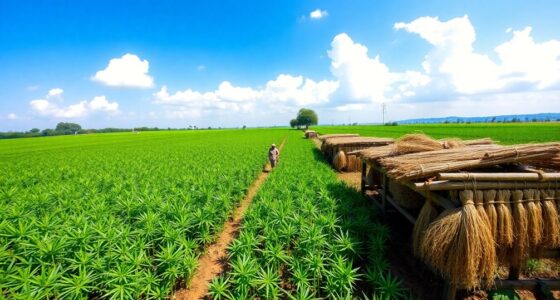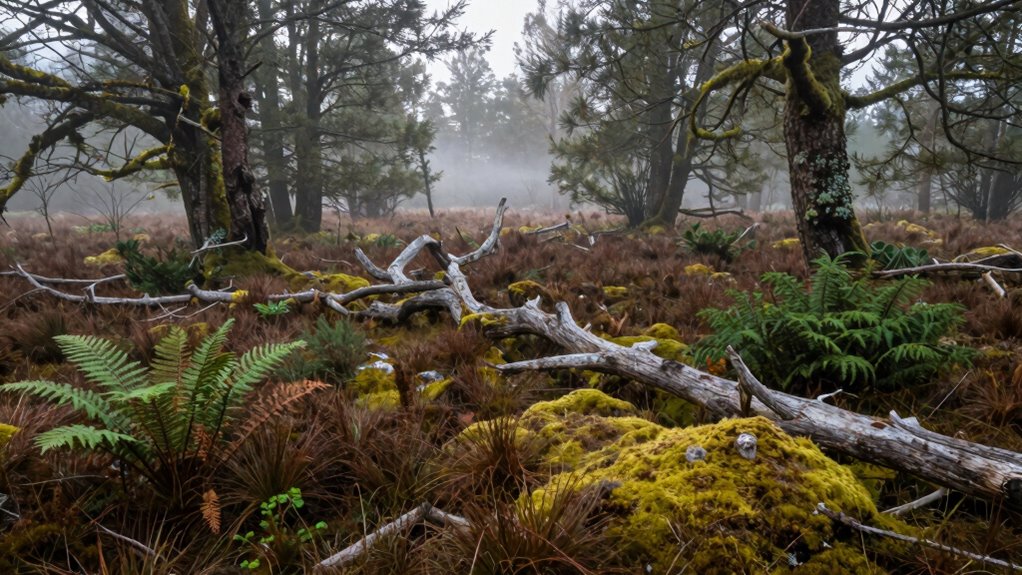

Peatlands play a crucial role in climate and nature because they act as massive carbon sinks, storing more carbon than forests, grasslands, and oceans combined. They absorb carbon dioxide from the atmosphere, helping reduce global warming. When disturbed or drained, they release greenhouse gases like CO₂ and methane, accelerating climate change. Protecting and restoring peatlands is essential for climate stability and biodiversity. To discover how you can help safeguard these important ecosystems, continue exploring their importance.

Prime made for students and young adults
- Fast, free delivery for dorm and study essentials
- Prime Video and Amazon Music included
- Member-only deals
Key Takeaways
- Peatlands are major carbon sinks, storing more carbon per area than forests and oceans combined.
- They help regulate Earth’s climate by absorbing CO₂ and releasing methane when disturbed.
- Degradation releases stored carbon, turning peatlands from climate allies into greenhouse gas sources.
- Restoring peatlands enhances their capacity to sequester carbon and support biodiversity.
- Protecting peatlands is essential for climate stability and preserving vital ecosystems.
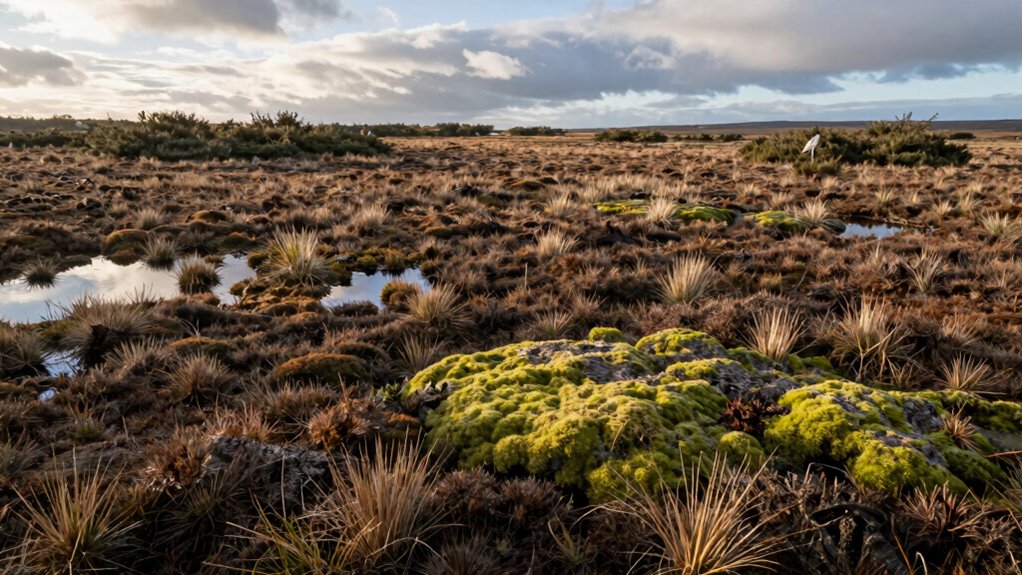
Have you ever considered how essential peatlands are in regulating our climate? These unique ecosystems might seem like marshy, unassuming landscapes, but they play a fundamental role in controlling carbon storage and limiting greenhouse gases. Peatlands act as massive carbon sinks, holding more carbon per unit area than forests, grasslands, and even the oceans combined. When healthy, they absorb carbon dioxide from the atmosphere, effectively reducing the amount of greenhouse gases that contribute to global warming. This process is key because it helps stabilize Earth’s climate, preventing extreme weather events and rising sea levels.
However, the importance of peatlands extends beyond their carbon storage capacity. When these ecosystems are disturbed—whether by drainage, agriculture, or development—they release the stored carbon back into the atmosphere as carbon dioxide and methane. These greenhouse gases trap heat and accelerate climate change. Once disturbed, peatlands lose their ability to absorb carbon, turning from climate allies into sources of emissions. This shift can happen rapidly, especially when fires or drainage expose the organic matter underneath, leading to significant greenhouse gas releases in a short period.
You might not realize how many of our actions threaten these natural climate regulators. Draining peatlands for farming or infrastructure exposes the stored carbon, releasing it into the atmosphere. Climate change itself, with increasing temperatures and altered rainfall patterns, further jeopardizes peatland health. The loss and degradation of these ecosystems reduce their capacity to store carbon and increase emissions, creating a dangerous feedback loop that worsens global warming. Protecting these ecosystems is crucial because peatland degradation not only releases stored carbon but also diminishes their future ability to function as carbon sinks. Restoring degraded peatlands is vital for climate resilience and ensuring they can continue to serve as effective carbon reservoirs. Additionally, biodiversity within peatlands highlights how their preservation benefits countless species and complex habitats. Furthermore, restoration efforts can significantly enhance the resilience and functionality of degraded peatlands.
Moreover, understanding the role of peatlands in carbon cycling underscores their importance in global climate regulation. Protecting existing peatlands is key if we want to mitigate climate change. Restoring damaged peatlands can help re-establish their carbon storage functions, turning them back into effective carbon sinks. It’s also essential to prevent further destruction by adopting sustainable land-use practices and policies that recognize the climate benefits of peatlands. By conserving these ecosystems, you’re supporting a natural solution to climate change, helping to keep greenhouse gases in check and ensuring a healthier planet.
In short, peatlands matter profoundly for both climate stability and biodiversity. Their ability to store carbon and limit greenhouse gases makes them invaluable assets in our fight against climate change. When we understand and protect these ecosystems, we’re taking a significant step toward a sustainable future. Your actions—whether through advocacy, supporting conservation efforts, or simply spreading awareness—can make a difference in safeguarding these critical landscapes for generations to come.
Popular right now

Dyson Ball Animal 3 Extra Upright Vacuum

Dyson Car+Boat Cordless Handheld Vacuum

KitchenAid Classic Series 4.5 Quart Tilt-Head Stand Mixer K45SS, Onyx Black
As an affiliate, we earn on qualifying purchases.
Frequently Asked Questions
How Do Peatlands Form Over Thousands of Years?
You might wonder how peatlands form over thousands of years. It all starts with peat formation, which happens when organic accumulation occurs faster than it decomposes, especially in waterlogged conditions. As plants like mosses and grasses die, their organic material accumulates slowly, creating thick layers of peat. Over time, this process continues, transforming the landscape into a peatland that stores carbon and supports unique ecosystems.
What Are the Main Threats to Peatland Health Globally?
The threats to peatland health are like relentless storms, tearing through essential ecosystems. You’ll find peatland biodiversity suffers as drainage, agriculture, and peat extraction destroy habitats. These activities also release stored carbon, weakening their climate-regulating power. Climate change further intensifies these threats with droughts and higher temperatures. Protecting peatlands is imperative because they store massive amounts of carbon and support unique biodiversity, essential for both climate stability and nature’s resilience.
Can Peatlands Recover After Degradation?
Peatlands can recover after degradation, but their resilience depends on various recovery factors. Your efforts, like restoring water levels and preventing further disturbance, play a vital role. If you act early and effectively, the peatland’s natural processes may gradually restore its structure and function. However, severe or prolonged damage can make full recovery challenging. So, timely intervention and ongoing management are key to supporting peatland resilience.
How Do Peatlands Influence Local Water Quality?
Peatlands dramatically influence your local water quality, acting like nature’s super-filter. They excel at water filtration, removing pollutants and impurities, making your water cleaner and safer. They also play an crucial role in nutrient cycling, preventing excess nutrients from causing harmful algae blooms downstream. By maintaining healthy peatlands, you preserve essential ecosystems that protect your drinking water, support biodiversity, and keep your environment vibrant and resilient against climate change.
Are There Successful Examples of Peatland Restoration Projects?
Yes, there are successful peatland restoration projects. You can look at initiatives like the UK’s Flow Country or the Netherlands’ peat restoration efforts. These projects use various restoration techniques like blocking drainage ditches, rewetting, and replanting native vegetation. Community involvement plays an essential role, as local people help implement and maintain these efforts, ensuring long-term success and fostering awareness about the importance of peatlands for climate and biodiversity.
Conclusion
You might think conserving peatlands is just about protecting nature, but it’s so much more. By keeping these essential ecosystems intact, you help fight climate change and preserve biodiversity. Sure, it’s easy to overlook them, but their role in absorbing carbon is critical. So, next time you hear about climate solutions, remember peatlands—they’re a powerful, natural tool that benefits everyone. Ignoring them isn’t an option if we want a healthier planet.