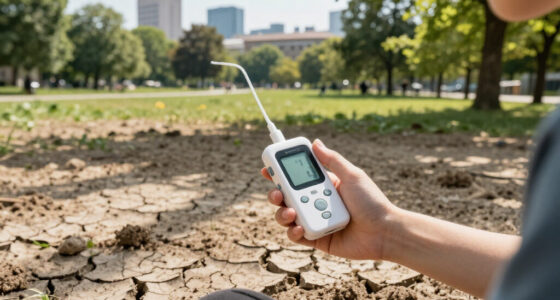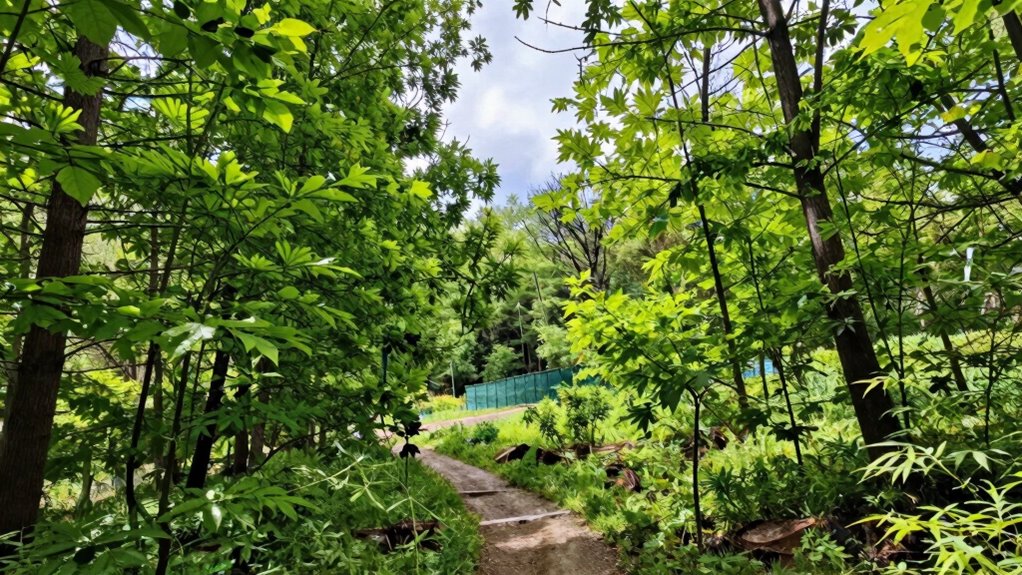

Forests are now protected through innovative strategies that combine technology and community involvement. You’ll see remote sensing, drones, and AI helping track deforestation quickly and accurately. Local communities actively participate in decision-making, using their knowledge to enhance conservation efforts with tools like mobile apps and sustainable practices. Global collaboration also plays a role, sharing data and solutions. If you keep exploring, you’ll understand how these changes are creating a more effective and inclusive path to saving our forests.

Prime made for students and young adults
- Fast, free delivery for dorm and study essentials
- Prime Video and Amazon Music included
- Member-only deals
Key Takeaways
- Increased emphasis on community involvement and indigenous knowledge in conservation efforts.
- Integration of advanced technologies like remote sensing, drones, and AI for precise forest monitoring.
- Use of mobile apps and blockchain to enhance transparency and community participation.
- Collaboration among nations to share data, best practices, and coordinate global forest protection.
- Shift towards proactive, technology-driven strategies that foster sustainable management and policy enforcement.
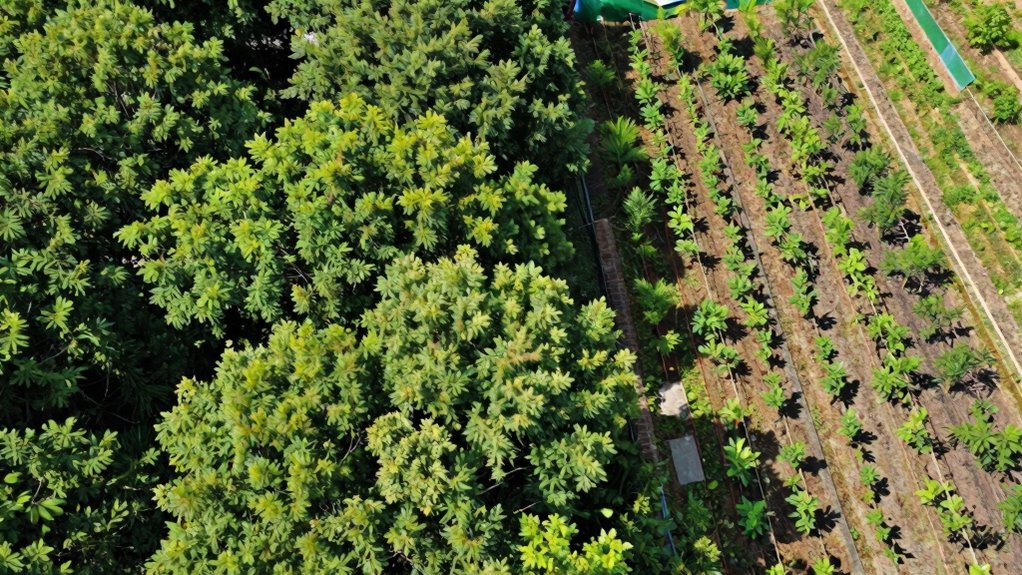
Forests cover about 31% of the Earth’s land area and are essential for maintaining biodiversity, regulating climate, and supporting human livelihoods. As awareness of their importance grows, so do the strategies aimed at conserving these critical ecosystems. You’re now part of a shift where community involvement plays a pivotal role in shaping effective conservation efforts. Local communities, often the most affected by deforestation, are increasingly engaged in decision-making processes. You might see initiatives where indigenous groups and local residents partner with governments and NGOs, ensuring that conservation efforts respect traditional knowledge and meet community needs. This collaborative approach fosters a sense of ownership, making conservation efforts more sustainable and effective. When communities have a stake in protecting forests, they’re more likely to support sustainable practices like agroforestry, reforestation, and anti-logging measures. Their firsthand knowledge of local ecosystems becomes invaluable in identifying threats and crafting practical solutions. Additionally, forest monitoring technology is enabling more precise tracking of deforestation activities, further bolstering conservation efforts. Advances in remote sensing are also providing detailed insights into forest health, allowing for more targeted interventions. These technological tools are increasingly integrated with community-led initiatives, creating a more comprehensive approach to conservation. Incorporating technological innovations also helps overcome some logistical challenges faced in remote forest areas. Furthermore, the development of data analytics enhances our ability to interpret complex environmental data, leading to more informed decision-making.
Alongside community participation, technological innovations are transforming how we approach forest conservation. You’ll notice the advent of satellite monitoring and remote sensing tools that provide real-time data on forest cover changes. These advancements enable authorities and conservationists to quickly detect illegal logging, land encroachment, and forest fires. Drones are also playing a growing role, offering high-resolution imaging and surveillance over hard-to-reach areas. These tools not only improve monitoring accuracy but also reduce costs and response times. Additionally, data analytics and artificial intelligence are helping predict deforestation patterns, guiding proactive measures rather than reactive ones. For example, predictive models can identify regions at high risk of deforestation, allowing targeted interventions before irreversible damage occurs. The integration of these technologies into community efforts further amplifies their impact, fostering a proactive conservation mindset.
The integration of community involvement with technological innovations creates a powerful synergy. Imagine local communities using mobile apps to report illegal activities or to share traditional knowledge about forest health. This cooperation enhances the effectiveness of conservation measures and encourages greater transparency. You might also see blockchain technology used to track timber and forest products, ensuring their legal and sustainable origin. These innovations democratize forest management, giving voice to local people while leveraging cutting-edge tools to enforce policies and protect ecosystems. As these strategies evolve, you’ll likely notice increased global collaboration, with nations sharing data and best practices to combat deforestation collectively. The use of innovative technology not only increases efficiency but also helps build trust among stakeholders involved in conservation efforts. The combination of community involvement and technological innovations signals a promising future for forest conservation—one where inclusive, science-driven efforts help safeguard our planet’s forests for generations to come.
remote sensing forest monitoring device
As an affiliate, we earn on qualifying purchases.
As an affiliate, we earn on qualifying purchases.
Frequently Asked Questions
How Do Local Communities Participate in Conservation Efforts?
You participate in conservation efforts through community engagement and by respecting Indigenous knowledge. Local communities often lead initiatives, sharing traditional practices that protect forests sustainably. You can get involved by supporting community-led projects, attending local meetings, and advocating for policies that recognize Indigenous rights. Your active participation helps preserve forest ecosystems, ensuring their health and resilience for future generations, while honoring the valuable insights from those who have long stewarded these lands.
What Are the Biggest Challenges in Implementing New Strategies?
You face challenges like policy enforcement, ensuring laws are followed, and funding allocation, securing sufficient resources. Balancing these issues requires persistent effort, clear communication, and strategic planning. Without strict policy enforcement, conservation efforts falter. Without adequate funding, initiatives stall. You must navigate these obstacles simultaneously, maintaining momentum and adapting strategies to overcome resistance, secure support, and successfully implement new conservation methods.
How Is Technology Influencing Forest Conservation Methods?
Technology profoundly influences forest conservation by enabling remote sensing and drone monitoring. You can now track deforestation, illegal logging, and forest health more precisely and in real-time. Drones provide detailed aerial images and data, helping you assess areas quickly and efficiently. These tools make your conservation efforts more effective, allowing you to respond faster to threats, improve management plans, and protect forests better than ever before.
What Role Do Governments Play in Policy Changes?
Governments play a vital role in policy changes by enforcing laws that protect forests and participating in international agreements. They set regulations to limit deforestation, promote sustainable practices, and fund conservation projects. By strengthening policy enforcement, governments guarantee compliance and accountability. Their involvement in international agreements fosters global cooperation, helping to coordinate efforts across borders and implement strategies that preserve forest ecosystems for future generations.
How Do Conservation Strategies Adapt to Climate Change?
Imagine your forest as a living, breathing entity learning to dance with a changing tune. You adapt conservation strategies through adaptive management, tweaking practices as climate change shifts conditions. This approach boosts climate resilience, helping forests withstand storms and droughts. By staying flexible and responsive, you guarantee these ecosystems continue to thrive, safeguarding biodiversity and the essential services forests provide for generations to come.
As an affiliate, we earn on qualifying purchases.
Conclusion
You should know that recent strategies focus more on community involvement and sustainable practices, making conservation efforts more effective. Did you realize that globally, deforestation has slowed by 25% in regions adopting these new approaches? This shows that your support and awareness can truly make a difference. By embracing innovative strategies, you’re helping protect essential ecosystems for future generations. Together, we can turn the tide and guarantee forests thrive for years to come.
AI-powered environmental data analytics tools
As an affiliate, we earn on qualifying purchases.
As an affiliate, we earn on qualifying purchases.
mobile apps for forest conservation
As an affiliate, we earn on qualifying purchases.
As an affiliate, we earn on qualifying purchases.
Halloween Picks
halloween
As an affiliate, we earn on qualifying purchases.