
By 2025, you’ll see a shift towards valuing nature through innovative economic solutions like payment ecosystems and biodiversity metrics. These approaches incentivize conservation by linking financial rewards to ecological health, making ecosystems valuable assets rather than costs. High-resolution data and transparent monitoring will guarantee fair rewards and foster trust among stakeholders. As you explore these trends, you’ll discover how aligning economic and ecological goals can make sustainable conservation both practical and profitable.

Prime made for students and young adults
- Fast, free delivery for dorm and study essentials
- Prime Video and Amazon Music included
- Member-only deals
Key Takeaways
- Advanced biodiversity metrics and high-resolution data improve ecosystem valuation accuracy for sustainable conservation funding.
- Payment ecosystems directly incentivize ecological outcomes, linking financial rewards to measurable ecosystem health.
- Recognizing ecosystems as assets shifts perceptions, promoting proactive conservation aligned with economic interests.
- Transparent monitoring and clear metrics foster stakeholder trust, ensuring fair and effective financial incentives.
- Integrating biodiversity valuation into economic models supports resilient ecosystems that benefit both nature and human communities.
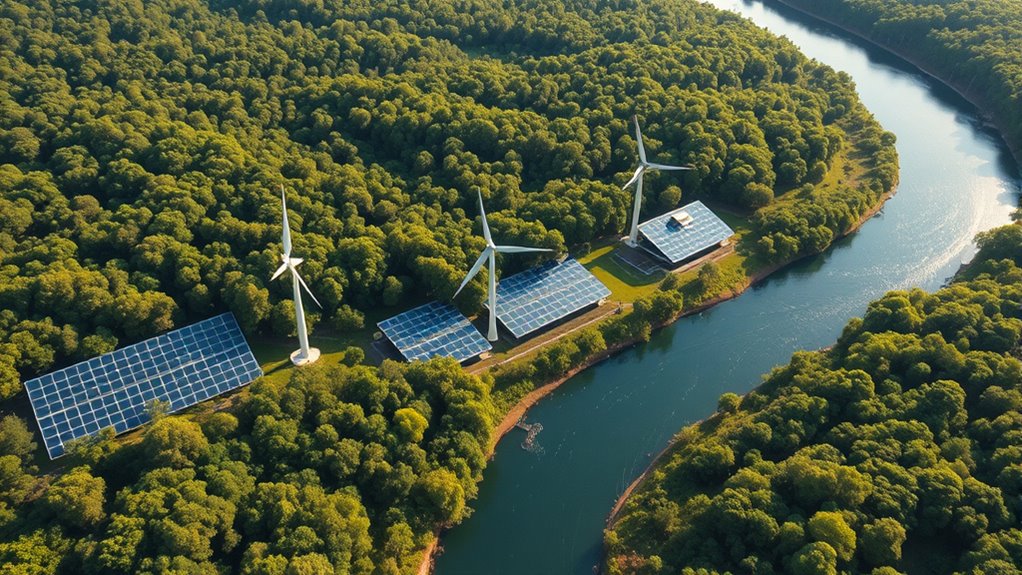
Conservation efforts often face the challenge of balancing environmental preservation with economic interests. In today’s world, understanding the true value of nature has become more essential than ever, especially as policymakers and stakeholders seek sustainable solutions. One way to achieve this balance is through the development of payment ecosystems, which create financial incentives for protecting and restoring natural environments. Payment ecosystems involve compensating landowners, communities, and businesses for maintaining ecosystems that deliver essential services like clean water, air purification, and climate regulation. These systems recognize that ecosystems are valuable assets, not just costs, and they encourage proactive conservation by linking financial rewards directly to ecosystem health.
To make these payment ecosystems effective, it’s crucial to rely on accurate biodiversity metrics. These metrics help quantify the health and richness of ecosystems, giving policymakers concrete data to inform payments and conservation strategies. For example, metrics such as species richness, abundance, and ecosystem resilience provide insights into how well an environment is functioning and how much it contributes to human well-being. By monitoring biodiversity metrics, you can gauge whether conservation efforts are successful and adjust payments accordingly. This creates a dynamic system where economic incentives are directly tied to ecological outcomes, ensuring that conservation actions deliver measurable benefits.
Accurate biodiversity metrics are essential for effective payment ecosystems and measurable conservation success.
You also need to consider the broader implications of these ecosystems on local economies. When you incorporate biodiversity metrics into payment ecosystems, you’re not just valuing individual species but also the interconnected web of life that sustains entire regions. This approach recognizes that healthy biodiversity underpins ecosystem services, which in turn support agriculture, tourism, and other key industries. By integrating these metrics into financial models, you can better demonstrate the economic benefits of conserving biodiversity, making it easier to secure funding and stakeholder buy-in. It shifts the conversation from viewing nature as a cost to recognizing it as a valuable, tangible asset. Additionally, incorporating high-resolution data can improve the precision of ecosystem valuation and ensure fair compensation.
Furthermore, implementing payment ecosystems requires transparency and accurate measurement. You must establish clear biodiversity metrics and consistent monitoring protocols to guarantee payments reflect true ecological value. This encourages accountability and fosters trust among all parties involved. As you work toward integrating these concepts into policy, remember that the goal is to align economic incentives with ecological health, creating a sustainable cycle where protecting biodiversity also promotes economic prosperity. In doing so, you help build resilient ecosystems that support both nature and human communities for generations to come, making conservation efforts not just a moral duty but an economically viable strategy.
As an affiliate, we earn on qualifying purchases.
Frequently Asked Questions
How Will Emerging Technologies Influence Conservation Economics by 2025?
By 2025, emerging technologies like AI-driven valuation will help you accurately quantify nature’s benefits, making conservation efforts more compelling. Blockchain transparency will guarantee your transactions and resource management are tamper-proof, boosting trust among stakeholders. These innovations will empower you to make smarter decisions, attract investments, and promote sustainable practices, ultimately enhancing conservation economics and ensuring the preservation of ecosystems for future generations.
What Role Do Indigenous Communities Play in Valuation Strategies?
You see indigenous communities play a crucial role in valuation strategies through indigenous stewardship and cultural valuation. By actively managing natural resources, they guarantee sustainable practices that benefit ecosystems. Their cultural valuation emphasizes the spiritual and traditional significance of nature, influencing conservation policies. Recognizing their expertise and perspectives helps create more inclusive, effective strategies that honor indigenous knowledge and promote biodiversity conservation in 2025.
How Are Climate Change Impacts Integrated Into Economic Valuation Models?
They say, “Forewarned is forearmed,” and that’s true for climate change impacts in economic models. You incorporate these impacts by adjusting valuations with carbon pricing, which accounts for emission costs, and by valuing ecosystem services that help mitigate climate effects. This way, you verify that climate change’s influence on natural assets is reflected, guiding better conservation decisions and promoting sustainable economic growth.
What Are the Ethical Considerations in Assigning Monetary Value to Nature?
You face moral dilemmas when assigning monetary value to nature, as it challenges the intrinsic worth of ecosystems and species. While economic valuation helps prioritize conservation, it risks reducing nature to mere commodities, ignoring moral and ethical responsibilities. You must balance the practical benefits of valuation with respect for nature’s intrinsic worth, ensuring that economic decisions do not undermine the moral obligation to preserve biodiversity and environmental integrity.
How Can Conservation Economics Ensure Equitable Benefits Globally?
You can guarantee equitable benefits globally by applying equity frameworks that prioritize fair distribution of conservation gains. Implement benefit sharing mechanisms that involve local communities, indigenous peoples, and marginalized groups, giving them a stake in conservation efforts. By actively involving these stakeholders and designing policies that address their needs, you promote justice and inclusivity, making conservation outcomes beneficial for everyone, regardless of geographic or socioeconomic differences.
ecosystem health measurement tools
As an affiliate, we earn on qualifying purchases.
As an affiliate, we earn on qualifying purchases.
Conclusion
As you see, valuing nature isn’t just about numbers—it’s about investing in our shared future. Imagine a farmer planting a single tree that shades his fields and feeds his family for years; similarly, your choices today can nurture ecosystems that sustain us all. By recognizing nature’s true worth, you become part of a global effort to protect what matters most. Together, we can turn conservation into a thriving economy that benefits everyone.
high-resolution environmental data sensors
As an affiliate, we earn on qualifying purchases.
As an affiliate, we earn on qualifying purchases.
payment ecosystem conservation products
As an affiliate, we earn on qualifying purchases.
As an affiliate, we earn on qualifying purchases.
Halloween Picks
halloween
As an affiliate, we earn on qualifying purchases.