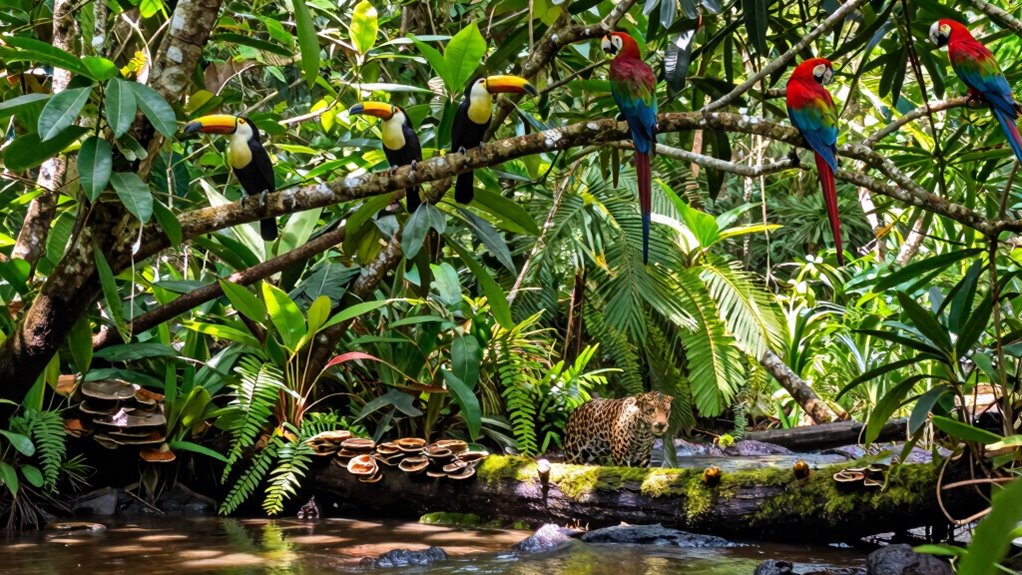

Biodiversity protection matters more than ever because it keeps ecosystems resilient and adaptable to challenges like climate change and diseases. When you support healthy forests, wetlands, and species diversity, you’re helping guarantee food security, clean water, and pollution control. Every species plays a role in maintaining Earth’s natural balance, and losing them weakens essential processes that benefit us all. If you want to understand how protecting biodiversity safeguards your future, keep exploring these key connections.

Prime made for students and young adults
- Fast, free delivery for dorm and study essentials
- Prime Video and Amazon Music included
- Member-only deals
Key Takeaways
- Biodiversity provides genetic diversity crucial for species resilience against diseases and climate change.
- Protecting ecosystems preserves essential services like water regulation, soil health, and pollutant filtering.
- Loss of biodiversity reduces the availability of wild genetic resources vital for sustainable agriculture and medicine.
- Interconnected species support ecosystem stability; their decline can trigger widespread ecological disruptions.
- Urgent conservation efforts ensure planetary health, food security, and the survival of future generations.
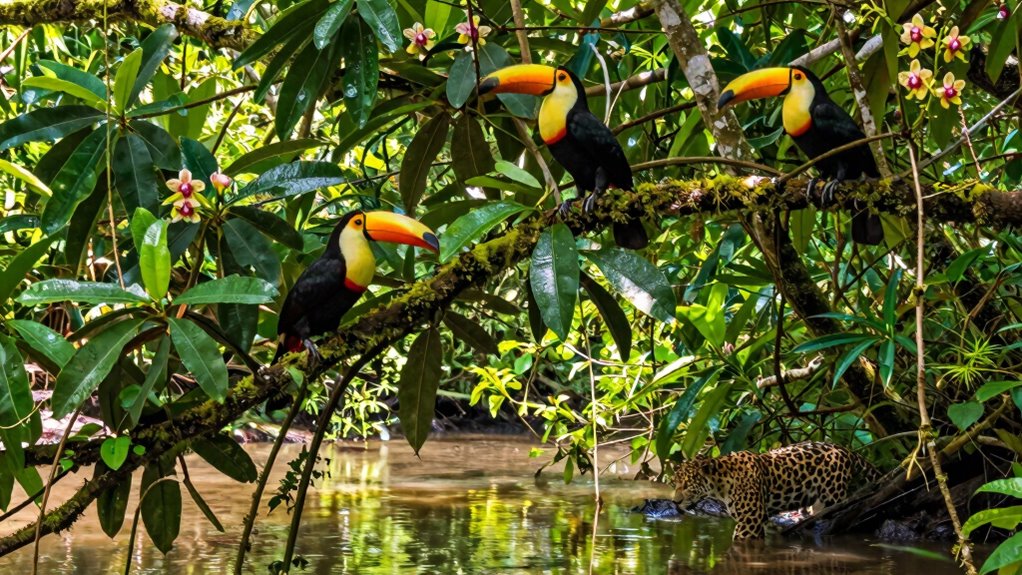
You might not realize it, but genetic diversity is at the core of this resilience. It’s the reason why some populations of species can withstand diseases or adapt to changing climates better than others. When genetic diversity is high, species have a broader range of traits that can help them survive environmental shifts. This diversity acts as a buffer, preventing entire species from going extinct when conditions change unexpectedly. Protecting genetic diversity isn’t just about saving individual species; it’s about safeguarding the evolutionary potential of life on Earth. The more diverse the gene pool, the more options nature has to evolve and adapt, which is especially vital in the face of climate change and habitat destruction. genetic diversity plays a crucial role in the adaptability of species, ensuring their survival amid environmental challenges.
By actively supporting biodiversity, you’re helping to preserve this genetic variation. This isn’t just an abstract idea—it’s a practical step toward ensuring food security, health, and sustainability. Many crops and livestock depend on wild relatives that carry genes for drought tolerance, pest resistance, or disease resistance. Losing these wild relatives means losing critical tools for future agriculture. Additionally, diverse ecosystems are better equipped to filter pollutants, stabilize soils, and regulate water cycles. When biodiversity declines, these natural processes weaken, and human communities suffer as a result. Supporting ecosystem functions is essential to maintaining the services that sustain human life and well-being.
Your efforts to protect biodiversity also help maintain the interconnected web of life. Each species is part of a complex network that sustains ecosystems. When one species is lost, it can trigger a chain reaction affecting many others. By conserving habitats, reducing pollution, and supporting sustainable practices, you actively contribute to strengthening ecosystem resilience and preserving genetic diversity. Recognizing the importance of biodiversity is vital for inspiring collective action to protect our planet’s natural heritage. This isn’t just an environmental issue; it’s a matter of survival for all of us. Protecting biodiversity ensures a healthier planet, richer ecosystems, and a more secure future for generations to come.
As an affiliate, we earn on qualifying purchases.
Frequently Asked Questions
How Does Biodiversity Loss Directly Affect Human Health?
Biodiversity loss directly impacts your health by disrupting ecosystem services and disease regulation. When species decline, ecosystems become unstable, reducing their ability to filter pollutants and regulate pests. This increases exposure to harmful pathogens, raising your risk of illnesses. You also miss out on medicinal resources from diverse species. Protecting biodiversity helps maintain these essential functions, ensuring a healthier environment and reducing disease threats that affect you and your community.
What Are the Economic Benefits of Conserving Biodiversity?
Think of biodiversity as a treasure chest, overflowing with economic riches. By conserving it, you tap into numerous benefits: economic incentives like eco-tourism, medicinal discoveries, and sustainable practices that keep ecosystems healthy. These practices guarantee resources remain abundant, supporting livelihoods and stabilizing markets. Protecting biodiversity isn’t just an ethical choice; it’s an investment in a resilient economy, where nature’s wealth fuels prosperity now and for future generations.
How Can Individuals Contribute to Biodiversity Protection?
You can contribute to biodiversity protection through individual actions like planting native species, reducing pesticide use, and supporting eco-friendly products. Join community efforts such as local clean-ups, conservation programs, or advocacy groups to amplify your impact. Every small step matters—by taking these actions, you help preserve ecosystems, protect wildlife, and promote sustainable practices that benefit everyone. Your involvement makes a real difference in safeguarding our planet’s rich diversity.
Which Regions Are Most at Risk of Losing Biodiversity?
You should know that tropical rainforests and coral reefs are on the brink of collapse, suffering from habitat destruction and invasive species. These regions face the greatest risk of losing biodiversity, with species vanishing faster than you can blink. Human activities, like deforestation and pollution, threaten delicate ecosystems. Protecting these hotspots is vital, as their loss would cause a ripple effect, destabilizing global environmental health and our future survival.
What Are the Most Effective Policies for Biodiversity Conservation?
You can protect biodiversity most effectively by supporting policies that prioritize ecosystem resilience and habitat restoration. Enforce protected areas, regulate land use, and promote sustainable practices to maintain natural habitats. Implementing conservation incentives encourages local communities to engage in preservation efforts. These policies help sustain biodiversity, ensuring healthy ecosystems that benefit both wildlife and humans. Your active support and advocacy for such strategies can make a significant difference in safeguarding our planet’s future.
wildlife habitat preservation kits
As an affiliate, we earn on qualifying purchases.
As an affiliate, we earn on qualifying purchases.
Conclusion
You can’t afford to turn a blind eye to biodiversity loss because every species plays a part in keeping our planet healthy. If you think it’s someone else’s problem, think again—what affects nature, affects you too. Protecting biodiversity isn’t just a noble cause; it’s a necessity for our survival. Remember, a chain is only as strong as its weakest link, so it’s up to all of us to strengthen and preserve this delicate web of life before it’s too late.
genetic diversity conservation tools
As an affiliate, we earn on qualifying purchases.
As an affiliate, we earn on qualifying purchases.
As an affiliate, we earn on qualifying purchases.
Halloween Picks
halloween
As an affiliate, we earn on qualifying purchases.