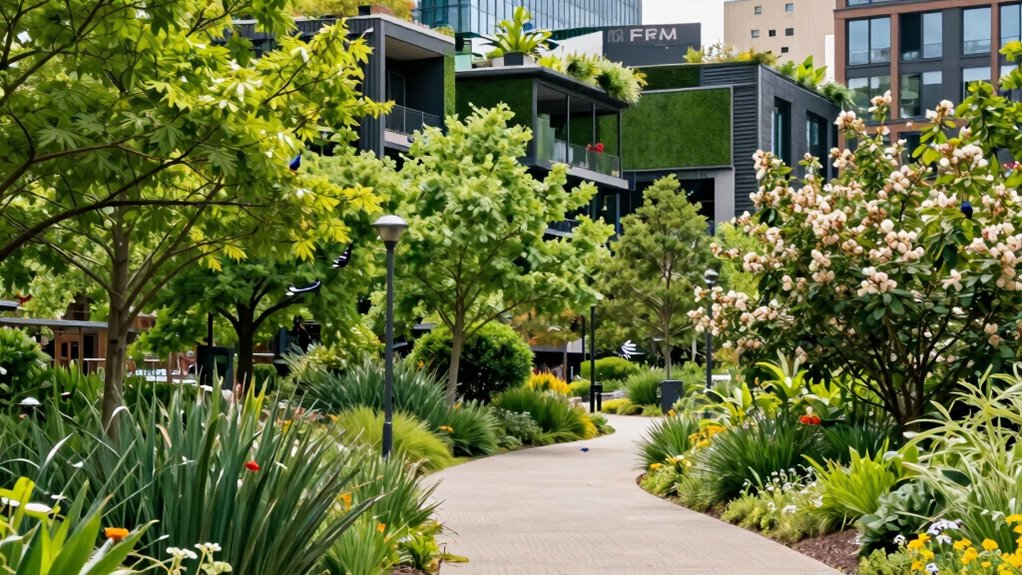

Urban conservation supports biodiversity by transforming rooftops and green spaces into habitats that attract pollinators, birds, and insects. When you incorporate native plants, you help create resilient ecosystems that require less water and maintenance while supporting local wildlife. Connecting these green areas with corridors encourages movement and genetic diversity among species. By engaging communities and supporting supportive policies, you can help cities evolve into thriving ecosystems where nature and urban life coexist harmoniously. Keep exploring to see how you can make a difference.

Prime made for students and young adults
- Fast, free delivery for dorm and study essentials
- Prime Video and Amazon Music included
- Member-only deals
Key Takeaways
- Implementing green roofs with native plantings creates habitats and enhances urban biodiversity corridors.
- Preserving and connecting green spaces facilitates wildlife movement and genetic diversity.
- Promoting native species supports resilient ecosystems and reduces invasive species risks.
- Engaging communities in conservation fosters stewardship and sustainable urban biodiversity initiatives.
- Incorporating green infrastructure in urban planning improves ecosystem resilience and ecological health.
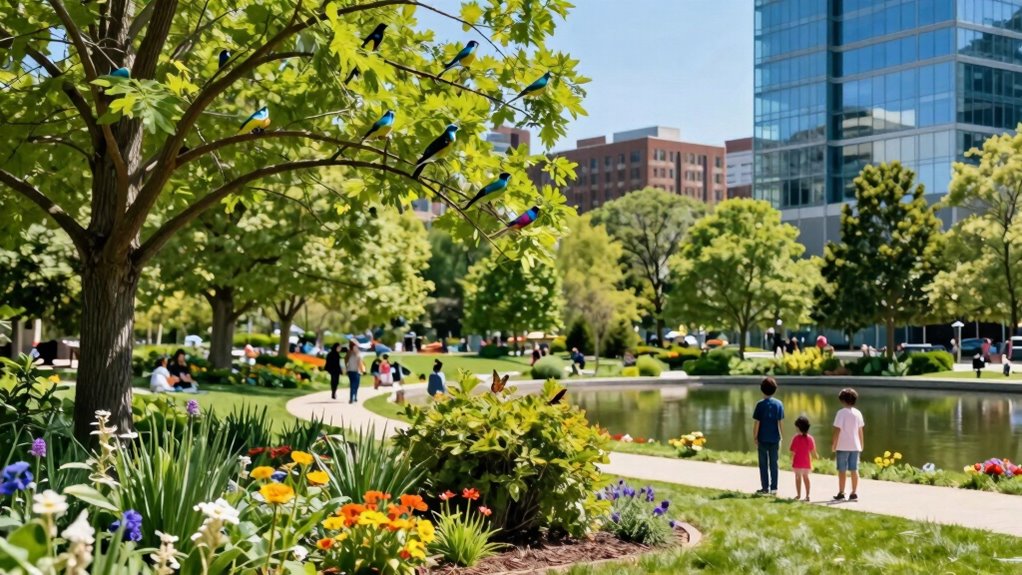
Have you ever wondered how cities can support thriving ecosystems amidst concrete jungles? It might seem unlikely, but urban areas hold surprising potential for biodiversity when you incorporate thoughtful conservation strategies. One effective way is through green rooftops, which transform dull rooftops into vibrant habitats. By planting native species on these green spaces, you create a welcoming environment for local insects, birds, and pollinators. Native plantings are essential because they’re adapted to the local climate and soil, requiring less water and maintenance, which makes them sustainable choices. When you introduce native plants on rooftops, you help preserve regional plant diversity and provide necessary food sources for native wildlife.
Green rooftops serve multiple functions beyond supporting biodiversity. They help insulate buildings, reducing energy consumption, and manage stormwater runoff, preventing urban flooding. But the real magic happens when they become mini-ecosystems. As you plant native species, you create corridors that connect fragmented green spaces, allowing animals and insects to move freely across the city. This connectivity is critical for maintaining healthy populations and promoting genetic diversity among urban wildlife. By installing green roofs with native plantings, you’re essentially building a network of safe havens amid the cityscape, encouraging species to thrive rather than decline. Additionally, incorporating urban conservation practices like these can influence policies that support ecological health. Fostering a sense of stewardship among residents can further enhance these efforts. Supporting urban biodiversity through these strategies can lead to healthier, more resilient cities.
You can also promote biodiversity by integrating native plantings into parks, gardens, and even roadside plantings. Using native species in these areas attracts pollinators like bees and butterflies, which are essential for healthy ecosystems and food production. Their presence boosts plant pollination, supporting more lush and resilient plant communities. When you choose native plants over exotic species, you’re supporting the local ecological balance, reducing the risk of invasive species taking over and disrupting native habitats. Incorporating native plantings in urban planning can significantly improve local biodiversity and ecological resilience.
Moreover, involving communities in creating these green spaces fosters a conservation-minded mindset. Education about native plantings and the importance of green rooftops helps residents understand their role in urban biodiversity. It’s about turning cities into living laboratories where nature and urban life coexist. By advocating for policies that support green infrastructure, you guarantee that future developments prioritize ecological health as much as economic growth. The success of these initiatives often depends on public engagement, which can lead to more sustainable urban planning practices. Encouraging community participation ensures these efforts are sustained and expanded over time.
In short, supporting urban biodiversity isn’t just about protecting distant wilderness; it’s about making your city a place where nature can flourish alongside human activity. Green rooftops, native plantings, and connected green spaces create a resilient, vibrant urban environment. Your efforts can turn concrete jungles into thriving ecosystems, proving that conservation and urban living can go hand in hand.
Popular right now

Shark Rocket Pet Plus Corded Stick Vacuum, Bordeaux, HV322

Samsung 42-Inch S90H OLED 4K Smart TV Bundle

Roborock RockNeo Q110H Wire-Free Robot Lawn Mower
As an affiliate, we earn on qualifying purchases.
Frequently Asked Questions
How Do Urban Conservation Efforts Impact Local Climate Change?
Urban conservation efforts improve local climate resilience by integrating green infrastructure like parks, green roofs, and permeable pavements. These features help reduce urban heat islands, lower temperatures, and manage stormwater runoff. By doing so, you support a healthier environment, lessen climate change impacts, and create more sustainable cities. Your efforts enhance natural cooling, promote biodiversity, and make urban areas more adaptable to evolving climate conditions.
Can Urban Areas Effectively Host Native Plant and Animal Species?
Sure, urban areas can host native flora and wildlife, if you’re willing to turn concrete jungles into thriving ecosystems. By creating wildlife corridors and planting native species, you can transform your city into a biodiversity hotspot. Imagine busy streets buzzing with native bees and birds, not just honking cars. It’s challenging but possible—your city’s future depends on it—and who better to lead the charge than you?
What Funding Sources Are Available for Urban Biodiversity Projects?
You can access funding grants from government agencies, environmental organizations, and local authorities dedicated to urban conservation. Private sponsorships are also valuable; local businesses or community groups often support biodiversity projects through donations or partnerships. To secure these funds, you should prepare detailed proposals highlighting your project’s ecological and community benefits. Combining grants and sponsorships increases your chances of funding, allowing you to create more impactful urban habitats for native species.
How Do Community Engagement Initiatives Influence Urban Conservation Success?
You might think community engagement is just about handing out flyers, but it’s actually the secret sauce for urban conservation success. When you involve locals through participation and educational programs, they become passionate stewards, not just passive onlookers. This active involvement boosts biodiversity because residents care more, act responsibly, and spread awareness. So, your city’s green spaces thrive, all thanks to the lively participation of people who finally realize they’re part of the ecosystem.
Are There Technological Tools to Monitor Urban Biodiversity Effectively?
Yes, there are technological tools to monitor urban biodiversity effectively. You can use remote sensing technology to capture detailed images and data of urban habitats from satellites or drones, helping you track changes over time. Citizen science platforms also allow you to engage community members in collecting biodiversity data, increasing coverage and accuracy. Combining these tools empowers you to make informed decisions and implement better conservation strategies in urban areas.
Conclusion
By embracing urban conservation, you help prove that cities can thrive alongside biodiversity. Research shows that green spaces and thoughtful planning support ecosystems and human well-being alike. When you advocate for biodiversity-friendly policies, you’re not just protecting nature—you’re challenging the idea that urban areas must be separate from or harmful to wildlife. So, next time you plant a tree or support local green initiatives, remember—you’re part of an essential movement that proves cities can be champions of nature.