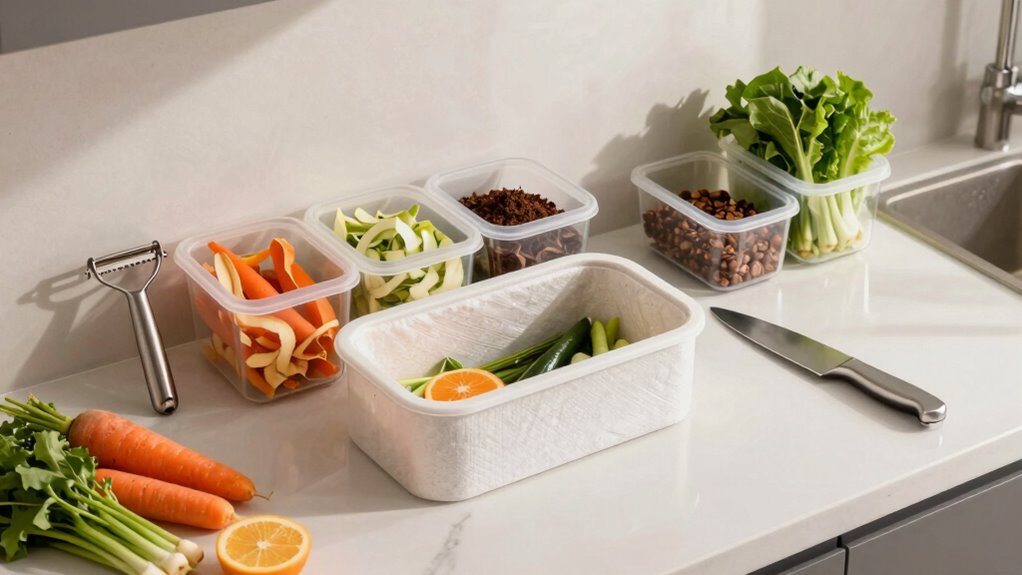

To cut food waste, implement simple kitchen systems like meal planning and smart storage. Plan your meals around ingredients close to expiration, and use airtight containers for better organization. Incorporate composting kitchen scraps to turn waste into nutrient-rich soil, reducing landfill load. Regularly check your fridge and pantry for spoilage and label foods to prevent unnecessary disposal. These small changes can make a big difference—keep exploring for more easy tips to maximize your waste reduction.

Get school and study supplies delivered free — and shop member deals
- Fast, free delivery on millions of items
- Access to Prime Big Deal Days deals on October 6–7
- Prime Video, Amazon Music and more included
Key Takeaways
- Implement meal planning to use ingredients efficiently and reduce leftovers.
- Use clear, airtight containers for proper storage and easy inventory management.
- Incorporate composting to recycle kitchen scraps and enrich garden soil.
- Regularly check and organize fridge and pantry to prevent spoilage.
- Combine storage, planning, and composting into an integrated system for maximum waste reduction.
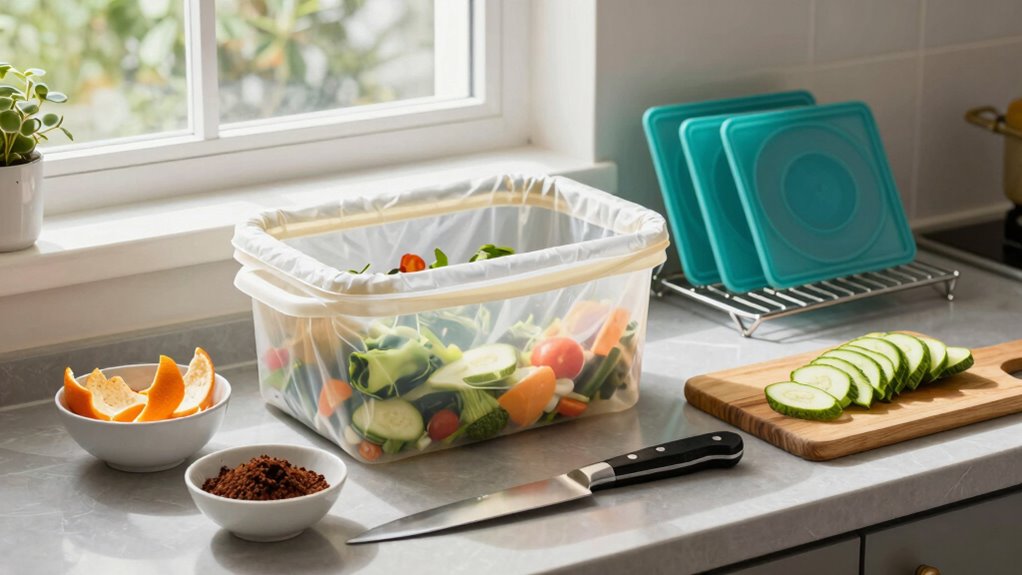
Have you ever wondered how much food you discard each week? It’s more than you might think, and the good news is you can reduce that waste with simple kitchen systems. One effective way to start is by exploring composting methods. Composting allows you to turn kitchen scraps like vegetable peels, coffee grounds, and eggshells into nutrient-rich soil for your garden. You don’t need a fancy setup; even a small bin in your backyard or a compost tumbler can do the trick. By incorporating composting into your routine, you not only cut down on waste sent to landfills but also create a cycle that benefits your plants. It’s a practical, eco-friendly solution that’s easy to maintain once you get the hang of it.
Another key to minimizing food waste is meal planning. When you plan your meals ahead of time, you gain control over portion sizes and grocery shopping. It prevents impulse buys and ensures you only purchase what you need. Start by making a weekly menu, listing every meal and snack, then shop accordingly. This way, you use ingredients efficiently, reducing leftovers that might spoil. When you prepare meals based on your plan, you’re less likely to throw away unused produce or leftovers. Plus, meal planning helps you avoid last-minute takeouts or quick trips to the store, which often result in buying more than you need. Over time, this habit not only cuts waste but also saves you money and reduces the mental clutter of unorganized shopping. Incorporating sustainable living practices into your routine further amplifies your efforts to reduce waste and support the environment. Additionally, understanding food shelf life can help you better judge when ingredients are still good to use, further reducing unnecessary waste. Implementing smart storage techniques can also prevent food from spoiling prematurely, making your efforts even more effective. Regularly practicing food inventory management helps you keep track of what you already have and plan meals accordingly, reducing the likelihood of forgotten, spoiled items. Using proper labeling and dating on stored foods can also help you identify older items, preventing unnecessary disposal. Pairing meal planning with smart storage techniques keeps your food fresher longer. Use airtight containers and clear storage bins so you can see what’s available, encouraging you to use ingredients before they spoil. Regularly check your fridge and pantry, and plan meals around what’s close to expiry. This proactive approach minimizes the chances of food going bad unnoticed. Combining these strategies with composting methods creates an all-encompassing system that markedly cuts food waste. You’ll be surprised how much less you throw away once you start planning your meals thoughtfully and managing your kitchen scraps responsibly. Small changes like these make a big difference, helping you live more sustainably and save money while enjoying fresher, more organized meals.
airtight food storage containers set
As an affiliate, we earn on qualifying purchases.
As an affiliate, we earn on qualifying purchases.
Frequently Asked Questions
What Are the Best Storage Containers to Prevent Spoilage?
You should opt for airtight containers and vacuum-sealed bags to prevent spoilage effectively. Airtight containers keep moisture and air out, maintaining freshness longer. Vacuum-sealed bags remove excess air, slowing bacterial growth and preserving produce, meats, and leftovers. Both options are versatile and help organize your fridge and pantry, reducing waste. Using these storage solutions guarantees your food stays fresh, minimizing spoilage and saving you money in the long run.
How Can I Repurpose Leftover Food Creatively?
You can turn leftover food into delicious new meals by exploring creative recipe ideas and leftover food hacks. For example, transform roasted vegetables into a hearty soup, use stale bread for croutons or bread pudding, or repurpose cooked rice into fried rice. These simple tricks keep food from going to waste, save money, and inspire your cooking. Experimenting with leftovers proves that nothing has to be thrown out—your creativity is the key!
Are There Apps to Track Food Expiration Dates?
Yes, there are apps designed to help you track food expiration dates. These apps often feature food inventory management and expiration alerts, so you know exactly when to use or donate your leftovers. By scanning barcodes or entering items manually, you stay organized and prevent waste. Using these tools makes it easier to manage your kitchen, reduce food waste, and save money while keeping your food fresh and safe to eat.
How Do I Organize My Fridge for Minimal Waste?
Think of your fridge as a well-organized library, where every book (or food item) has its place. To minimize waste, arrange perishables by type and expiry date, with older items at the front. Incorporate meal planning to use ingredients efficiently, and keep a shopping list visible to avoid overbuying. Regularly check and rotate items, ensuring nothing gets lost in the chaos and wasted.
What Are Eco-Friendly Ways to Dispose of Food Scraps?
You can dispose of food scraps eco-friendly by starting composting methods like backyard compost bins or worm farms, which turn scraps into nutrient-rich soil. You might also explore community compost programs or use food waste digesters. Incorporate waste reduction strategies by saving peels and coffee grounds, avoiding landfill disposal. These methods help reduce waste, conserve resources, and support sustainable living while reducing your environmental footprint.
As an affiliate, we earn on qualifying purchases.
Conclusion
By implementing simple kitchen systems, you might find yourself saving more than just food—you could be saving money and the environment too. It’s funny how a few small changes, like planning meals or storing leftovers properly, often lead to surprising results. The next time you toss something in the fridge, remember, you’re not just avoiding waste—you’re part of a bigger, unexpected ripple of positive change. Who knew that such small steps could make such a big difference?
As an affiliate, we earn on qualifying purchases.
As an affiliate, we earn on qualifying purchases.
Fall Picks
fall essentials
As an affiliate, we earn on qualifying purchases.