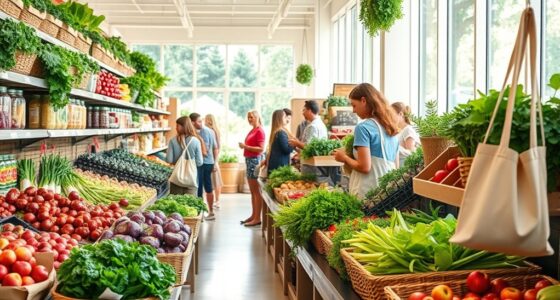
Transforming lignin into a valuable resource can significantly impact sustainable farming. By utilizing this abundant biopolymer, you can enhance soil health and reduce dependence on synthetic fertilizers. Lignin's antimicrobial properties support crop protection and boost agricultural sustainability. Plus, innovations in lignin extraction and application open up new possibilities for its use. Imagine how such a shift could benefit your farming practices and environment. Discover more about lignin's potential for transforming agriculture.
Key Takeaways
- Lignin can serve as a natural fertilizer, enhancing soil health and reducing reliance on synthetic fertilizers in sustainable farming practices.
- Its antimicrobial and antioxidant properties provide effective crop protection, contributing to healthier yields with lower copper content.
- Innovations in extraction and utilization technologies increase lignin's quality, broadening its applications in agricultural products and packaging.
- Valorizing lignin supports rural economic growth and job creation, aligning with sustainability goals in agriculture and biorefineries.
- Incorporating lignin into farming practices reduces greenhouse gas emissions, fostering a more sustainable and eco-friendly agricultural system.
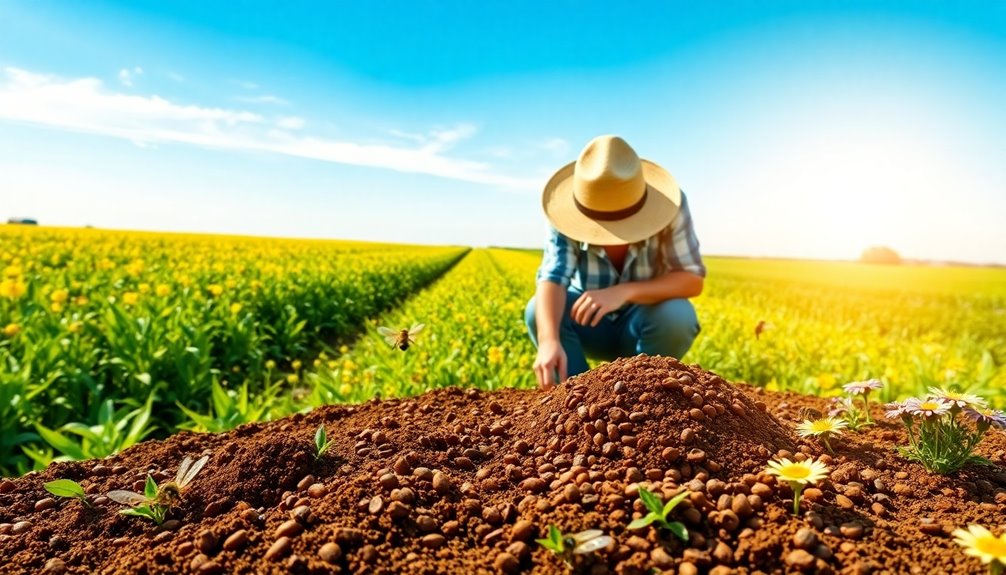
As the world seeks sustainable solutions to combat climate change, lignin emerges as a promising ally in farming practices. This abundant biopolymer, found primarily in woody biomass and agricultural residues, holds immense potential beyond its current use as a low-value fuel. By exploring lignin's chemical properties, you can tap into a sustainable resource that enhances both profitability and ecological responsibility in agriculture.
Currently, lignin is often underutilized, with around 100 million tons produced annually as waste in the paper and bioethanol industries. Its valorization can support crop protection, offering lower copper content while exhibiting synergistic effects against pathogens. With antimicrobial and antioxidant activities, lignin can improve soil health, acting as a natural fertilizer or soil conditioner. This means you may reduce the need for synthetic fertilizers, aligning your farming practices with sustainability goals. Additionally, lignin's potential as a source for aromatic chemicals can further diversify agricultural applications. As these innovations unfold, renewable energy technologies are expected to increase efficiency, further supporting sustainable farming efforts.
Lignin's potential as a natural fertilizer enhances soil health and reduces reliance on synthetic fertilizers.
Challenges exist in fully exploiting lignin, primarily due to its complex structure and variability among biomass feedstocks. Different biorefinery technologies yield various types of technical lignins, often creating oligomers that limit their modification. However, ongoing technological innovations are breaking these barriers. Novel pretreatment methods, such as steam-assisted and solvent-assisted biomass fractionation, are enhancing lignin quality, making it suitable for specific applications.
By valorizing lignin, you not only support a sustainable materials economy but also reduce reliance on fossil fuels, thereby decreasing greenhouse gas emissions. This approach can boost the profitability of biorefineries by utilizing lignin in ways beyond fuel, fostering job creation and economic growth in rural areas.
Future research directions aim at refining extraction methods and exploring new applications, such as food packaging and agricultural products.
Incorporating lignin into your farming practices can be a game-changer. Embracing this renewable resource allows you to contribute to a more sustainable future while reaping its economic benefits. So, why not consider lignin as a key driver for your sustainable farming journey?

QRRICA Plant Pots 10/9/8/7.5/7 Inch Self Watering Pots, Set of 5 Plastic Planters with Drainage Holes and Saucers,Plastic Flower Pots,Nursery Planting Pot for Indoor Out Door Plants(All Black)
- Variety of Sizes: Includes 7 to 10-inch pots
- Self Watering Design: Removable watering feeder for easy hydration
- Good Drainage: Mesh drainage holes prevent overwatering
As an affiliate, we earn on qualifying purchases.
Frequently Asked Questions
What Is Lignin and Where Is It Found?
Lignin's a complex organic polymer made up of carbon, hydrogen, and oxygen. You can find it in all vascular plants, where it forms a significant part of wood and bark, making up about 20 to 35% of wood's dry mass.
It fills spaces in plant cell walls, providing structural support and resistance against disease. Its hydrophobic nature aids in water transport, making it vital for plant health and stability.
How Does Lignin Benefit Soil Health?
You'd think that a substance often dismissed as waste could actually be a hero for soil health.
Lignin boosts soil organic matter, enhancing quality and nutrient retention. It improves water holding capacity, reduces compaction, and supports microbial communities that promote nutrient cycling.
Lignin even helps with carbon sequestration, contributing to climate change mitigation. By improving pH and salinity, it creates a thriving environment for plants, proving that sometimes, waste is just a misunderstood treasure.
Can Lignin Be Used in Organic Farming?
Yes, you can definitely use lignin in organic farming. It offers various benefits, like biodegradable mulch that enhances soil fertility and retains moisture.
With its antimicrobial properties, lignin can help control pests naturally. Additionally, incorporating lignin into your farming practices can improve soil organic matter and reduce plastic waste.
As a renewable resource, it's a practical choice for sustainable agriculture, promoting healthier ecosystems while meeting your farming needs.
What Technologies Are Used to Process Lignin?
To process lignin, you can utilize several technologies.
The Kraft process breaks down lignin under high temperatures and alkaline conditions, while the sulfite process employs acidic conditions.
The alkaline process takes advantage of high pH, and the organosolv process uses polar solvents like ethanol.
Steam explosion treats biomass with steam for rapid decompression.
Each method effectively extracts lignin, making it suitable for various applications in industries such as bioplastics and energy storage.
How Does Lignin Impact Carbon Sequestration?
Lignin significantly impacts carbon sequestration by serving as a crucial carbon source in ecosystems.
When white-rot fungi break down lignin, they utilize it for growth, enhancing carbon storage in soils. This biological degradation process increases the efficiency of natural carbon sinks, helping mitigate climate change.
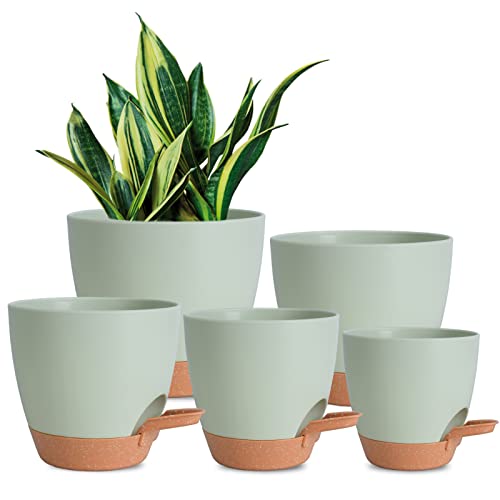
Vanslogreen Plant Pots Indoor 7/6.5/6/5.5/5 Inch Self Watering Planters for Indoor Plants with Drainage Hole, Plastic Flower Pots for Succulents, African Violet (Green)
- Self Watering Design: Reservoir with absorbent cotton ropes
- Drainage Holes: Ensures proper airflow and prevents overwatering
- Removable Watering Lip: Easy water addition and level monitoring
As an affiliate, we earn on qualifying purchases.
Conclusion
By unlocking lignin's potential, you're not just fueling sustainable farming; you're planting the seeds for a greener future. This remarkable transformation can turn waste into wealth, enriching soil health and enhancing crop resilience. As you embrace this innovative approach, you're joining a movement that nurtures both the planet and our agricultural practices. So let's harness the power of lignin and sow the groundwork for a sustainable tomorrow, where nature and farming flourish hand in hand.

Tinecio 7/6.5/6/5.5/5 Inch Self Watering Pots, Plastic Flower Pots with Multi Mesh Drainage Holes and Deep Reservoir for Indoor Outdoor Garden Plants and Flowers (White, 5/5.5/6/6.5/7)
- Self-Watering System: Steady water supply for 10-14 days
- Water Level Indicator: Visible water window with level markings
- Enhanced Drainage: Built-in aeration holes and removable tray
As an affiliate, we earn on qualifying purchases.

YNNICO Indoor Self Watering Planters with Drainage Holes and Saucers, 8, 7, 6.5, 6, 5.5, 5 Inches, White, 6 Pots
- Size Options: 6 different sizes for versatile planting
- Material: Durable, recyclable plastic construction
- Design: Modern matte finish for minimalistic style
As an affiliate, we earn on qualifying purchases.