
PFAS contaminants in solar photovoltaic modules can pose serious health and environmental risks. These toxic substances enhance durability and water repellency but persist in the environment, leading to long-term contamination. Many panels contain PFAS, raising concerns about exposure linked to health issues like low birth weight and certain cancers. As consumers, it's vital you stay informed about these potential dangers. There's more to uncover about safer material choices and regulations that could impact the industry moving forward.
Get ready for Prime Big Deal Days — try Prime free
Exclusive member deals on October 6–7, plus fast free delivery. Cancel anytime.
As an affiliate, we earn on qualifying purchases.
Key Takeaways
- PFAS are used in some solar panels for improved durability and water resistance, but not all modules contain these chemicals.
- The persistence of PFAS in the environment raises significant health concerns, including links to cancer and low birth weights.
- As of 2022, nearly 80% of solar panel outer layers contained PFAS, highlighting a major industry reliance on these materials.
- Recycling challenges arise from the non-recyclable nature of many solar panels, complicating sustainable solar energy practices.
- Consumer awareness of PFAS in solar products is crucial for driving market changes towards safer, PFAS-free alternatives.
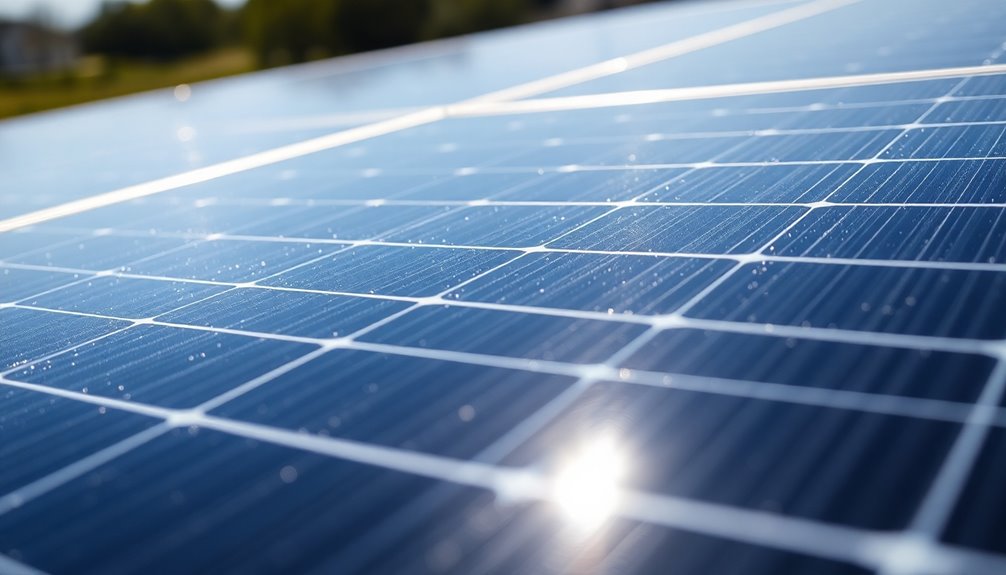
As concerns about environmental sustainability grow, many people are unaware that some solar modules contain PFAS, or per- and polyfluoroalkyl substances, in their outer layers. These substances are used to enhance durability and water repellency, but they come at a cost. While not all solar panels contain PFAS, their presence raises significant environmental and health concerns. Alternatives like PET-based layers have been available for over 15 years, offering safer, more eco-friendly options that don't pose the same risks.
The toxicity and persistence of PFAS are alarming. They don't degrade over time, leading to long-term contamination of the environment. If old solar panels end up in landfills or are incinerated, they can release PFAS into the soil and water, posing risks to both human health and wildlife. Studies link PFAS exposure to various health issues, including low birth weights and certain cancers, which heightens the urgency for transparency and regulation in the industry. In fact, PFAS materials accounted for nearly 80% of the market share in the outer layers of solar panels as of 2022.
Unfortunately, there's a significant information gap regarding PFAS in solar panels. Many people don't know whether the modules they're using contain these harmful substances. This lack of transparency fuels public health worries. As more companies pivot toward PFAS-free materials, it's essential for consumers to stay informed about the products they're investing in.
Additionally, the recycling challenges associated with solar panels compound the issue. Most current panels lack recyclable materials, leading to waste management dilemmas. A proper environmental impact assessment of PFAS in solar panels is crucial for public health and can guide future regulations.
As an affiliate, we earn on qualifying purchases.
Frequently Asked Questions
What Are the Health Risks Associated With PFAS Exposure?
PFAS exposure can put you at risk for several health issues.
You might experience immune system damage, which can weaken your response to vaccines. Elevated liver enzymes and cholesterol levels may occur, leading to liver function changes.
Long-term exposure is also linked to increased cancer risks, especially kidney and testicular cancers.
Additionally, if you're pregnant, PFAS could affect your baby's birth weight and even cause thyroid problems in both mother and child.
How Are PFAS Pollutants Regulated in Solar Modules?
Did you know that over 95% of Americans have detectable levels of PFAS in their blood?
When it comes to regulating PFAS in solar modules, there's currently a lack of comprehensive rules. Some companies are stepping up, creating PFAS-free products voluntarily.
While safer alternatives exist, industry resistance and inadequate recycling infrastructure hinder progress.
As public awareness grows, you might see a push for stricter manufacturing standards and more sustainable practices in the solar industry.
Can PFAS Be Removed From Contaminated Solar Panels?
You might wonder if PFAS can be removed from contaminated materials. The challenge lies in their complex structures, making traditional methods ineffective.
While advanced technologies, like electrochemical systems and electrocatalysis, show promise in breaking down PFAS, they're still under development.
Although no widespread solutions exist yet, ongoing research aims to create cost-effective and efficient methods for PFAS removal, paving the way for better management of these persistent contaminants in various applications.
What Alternatives Exist to PFAS in Solar Module Manufacturing?
When considering alternatives to PFAS in solar module manufacturing, you'll find several options.
Silicon-based self-cleaning coatings and silicone polymers serve as safe, PFAS-free choices for adhesives.
PET-based outer layers have been effectively used for years, offering durability without PFAS.
Innovative companies are also developing fully recyclable solar panels that minimize environmental impact.
How Do PFAS Affect the Recycling of Solar Panels?
When you think of recycling solar panels, imagine trying to untangle a mess of vines.
PFAS complicates this process significantly, as these hazardous substances can leach into the environment when panels are disposed of improperly.
You'll find that incineration isn't safe either, as toxic fumes can escape.
Without proper design and new materials, recycling becomes a daunting task, making the dream of sustainability feel like chasing shadows in the dark.
eco-friendly solar photovoltaic modules
As an affiliate, we earn on qualifying purchases.
As an affiliate, we earn on qualifying purchases.
Conclusion
In wrapping up, it's clear that PFAS contaminants in solar photovoltaic modules are a pressing issue that can't be ignored. Just like vinyl records made a comeback, awareness of these harmful substances is gaining traction. You've got the power to demand transparency and push for safer materials in solar technology. By staying informed and advocating for change, you can help ensure a cleaner, greener future for everyone. Don't let this slip through the cracks—get involved!
As an affiliate, we earn on qualifying purchases.
solar panel with PET-based layers
As an affiliate, we earn on qualifying purchases.
As an affiliate, we earn on qualifying purchases.
Fall yard work Picks
leaf blowers
As an affiliate, we earn on qualifying purchases.