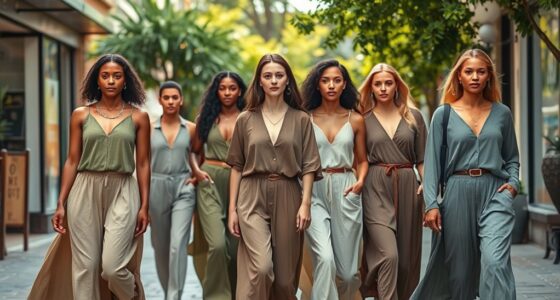
You’re noticing brands turn to local manufacturing because you want transparency, ethical labor, and sustainable options. Local production gives you clearer insight into where your clothes come from, how they’re made, and who makes them. It also helps reduce environmental impact and supports fair wages for workers. By choosing local, you’re contributing to community growth and pushing for better industry standards. If you keep exploring, you’ll discover even more about this ethical shift in fashion.
Key Takeaways
- Consumers seek transparency and ethical practices, driving brands to prioritize local manufacturing for accountability.
- Local sourcing reduces environmental impact through minimized transportation and supports eco-friendly material choices.
- Proximity allows for better quality control, faster response to fashion trends, and improved craftsmanship.
- Supporting local artisans and small businesses strengthens community economies and promotes fair labor standards.
- The shift aligns with a broader movement toward sustainable, responsible, and ethical fashion industry practices.
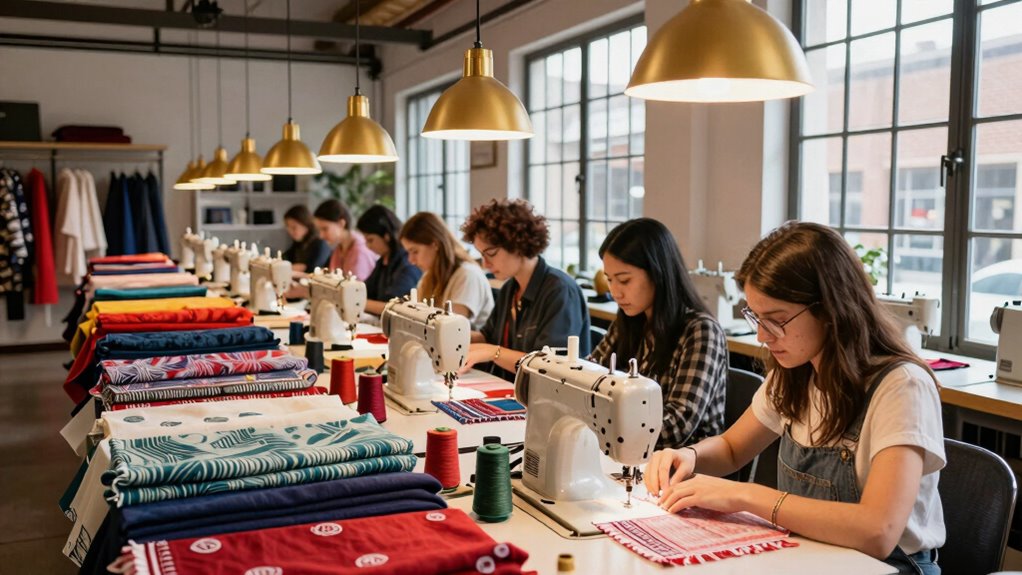
Have you ever wondered how local manufacturing is transforming the fashion industry? It’s a shift driven by a desire for transparency, quality, and responsibility. You’re likely aware that fast fashion often relies on distant factories with questionable labor practices and opaque supply chains. Now, more brands are turning back to local manufacturing because it allows for greater control over sustainable sourcing and ensures ethical labor standards. When production happens nearby, you can see exactly where your clothes come from, how they’re made, and who’s making them. This transparency resonates with consumers who want to make more conscious choices.
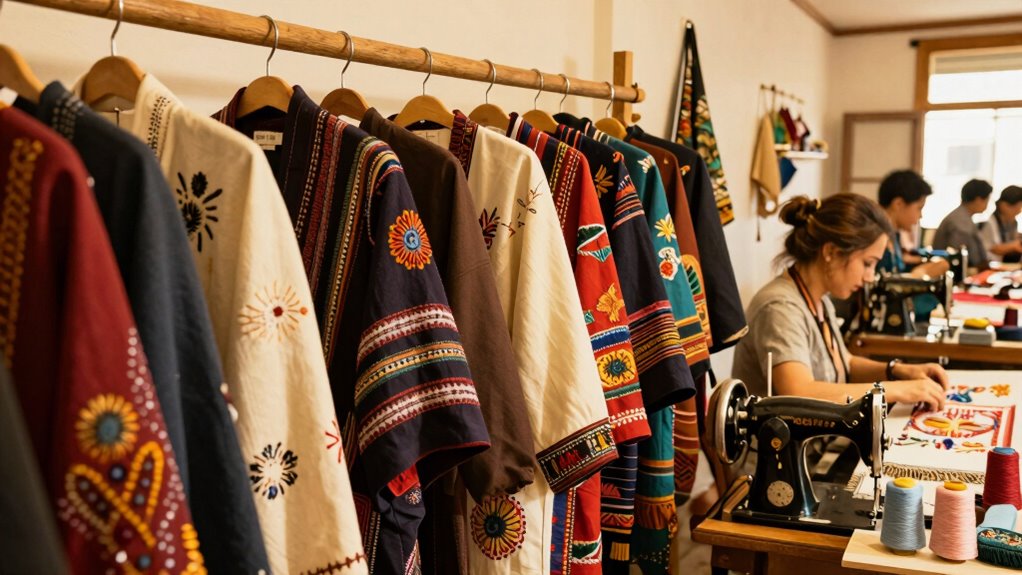
By choosing local manufacturing, brands can prioritize sustainable sourcing—selecting eco-friendly materials and reducing waste. It’s easier to track the origins of fabrics and ensure they’re responsibly sourced, minimizing environmental impact. Local manufacturers often use fewer resources in transportation, further reducing the carbon footprint associated with production. This focus on sustainability isn’t just good for the planet; it also appeals to you as a consumer who values ethical practices. When companies commit to local production, they often work with artisans and small-scale producers who uphold fair wages and safe working conditions. This emphasis on ethical labor means that workers are paid fairly, work in safe environments, and are treated with respect. Additionally, local manufacturing encourages transparent supply chains, allowing consumers to have greater confidence in the ethical and environmental claims made by brands. Supporting local production also helps reduce carbon footprint, contributing to a healthier environment.
Choosing local manufacturing supports sustainable sourcing, ethical labor, and reduces environmental impact.
Strengthening local economies is another benefit that helps sustain small businesses and promotes community resilience. You might notice that brands emphasizing local manufacturing tend to produce higher-quality garments. Since production is closer to the point of sale, they can oversee every step more carefully, ensuring craftsmanship and durability. This shift also allows for faster turnaround times, giving you access to the latest styles without sacrificing quality. Plus, local manufacturing fosters community connections—supporting local economies and creating jobs. When you buy from brands that produce locally, you play a part in strengthening these communities and promoting sustainable growth.
All of this adds up to a bigger picture: a more responsible fashion industry that values transparency, sustainability, and fair labor. As a consumer, your choices influence brands to adopt these practices. The return of local manufacturing isn’t just a trend — it’s a movement towards a more ethical and sustainable future in fashion. You can feel confident that your clothing supports these values when you opt for brands that prioritize local production, sustainable sourcing, and ethical labor standards.
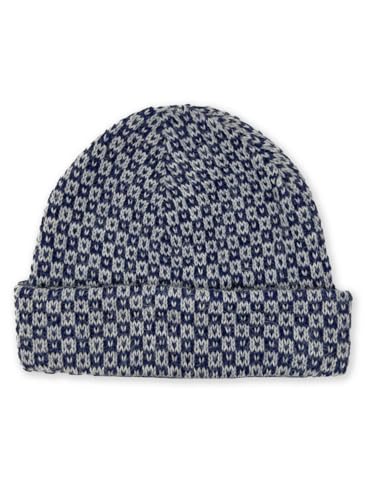
Inca Fashions – Jacquard Fisherman Beanie – 100% Baby Alpaca Wool Unisex Winter Hat, Breathable Hypoallergenic Cuffed Knit (US, Alpha, One Size, Navy/Grey)
Stay Warm in Style – Order Yours Today! Crafted from 100% baby alpaca wool for irresistibly soft, breathable…
As an affiliate, we earn on qualifying purchases.
As an affiliate, we earn on qualifying purchases.
Frequently Asked Questions
How Does Local Manufacturing Impact Overall Fashion Industry Sustainability?
Local manufacturing boosts fashion sustainability by promoting ethical labor practices, ensuring workers are paid fairly and work in safe conditions. It also encourages community engagement, supporting local economies and reducing transportation emissions. By choosing nearby production, you help minimize the environmental footprint of your clothing, foster transparency, and build a more sustainable industry. This approach makes it easier to trace supply chains, uphold ethical standards, and create positive social impacts.
What Are the Cost Differences Between Local and Overseas Production?
You’ll find that local manufacturing often has higher costs compared to overseas production due to higher labor expenses and stricter safety standards. The cost comparison shows that while overseas factories might offer lower wages, local manufacturing reduces shipping, tariffs, and lead times. This can offset some expenses, but overall, local production tends to be pricier upfront. However, many brands value quality, sustainability, and quicker turnaround over just cost savings.
How Can Small Brands Effectively Implement Local Manufacturing?
Think of local manufacturing as planting seeds in your backyard—nurture them carefully. To do it effectively, prioritize supply chain transparency, so you know where every thread comes from. Collaborate with artisans to add unique craftsmanship that sets your brand apart. Start small, build relationships, and stay flexible. This approach keeps your production authentic, sustainable, and close to home, helping your small brand flourish amidst a vibrant local fashion scene.
What Challenges Do Local Manufacturers Face in Scaling Production?
You face challenges like maintaining supply chain resilience as you scale production, ensuring timely deliveries without disruptions. Rising labor costs can also strain your margins, making it harder to stay competitive. Additionally, finding skilled workers becomes more complex, which can slow growth. To overcome these hurdles, you need to optimize your operations, build strong supplier relationships, and leverage local advantages to keep production efficient and responsive to market demands.
How Does Local Sourcing Influence Fashion Brand Branding and Marketing?
Local sourcing boosts your brand authenticity, showing consumers you prioritize quality and sustainability. This transparency strengthens consumer trust, as buyers see your commitment to ethical practices and supporting local communities. By highlighting your local manufacturing process in marketing efforts, you create a genuine narrative that resonates with eco-conscious and socially aware customers. This authentic story differentiates your brand, fostering loyalty and encouraging repeat business, ultimately enhancing your brand’s reputation in a competitive market.
sustainable clothing from local manufacturers
As an affiliate, we earn on qualifying purchases.
As an affiliate, we earn on qualifying purchases.
Conclusion
So, yes, bringing manufacturing back home might seem like a hassle or costlier at first. But think about the benefits—you get quicker turnaround times, better quality control, and support for your local economy. Plus, it’s a way to stand out in a crowded market, showing your customers you value sustainability and authenticity. If you’re worried about the extra effort, remember: the payoff is creating a brand they’ll trust and love.

Tribe Azure 100% Cotton Casual Pants Patchwork Comfortable Baggy Yoga Hippie Boho Colorful (Large, Serene Turquoise)
✮ AUTHENTIC FAIR TRADE PRODUCT – Genuine Tribe Azure fair trade pants handmade by skilled artisans using traditional…
As an affiliate, we earn on qualifying purchases.
As an affiliate, we earn on qualifying purchases.

NATURAL FABRIC DYEING: Master Eco-Friendly Techniques to Create Stunning Plant-Based Colors for Clothing, Crafts, and Home Textiles
As an affiliate, we earn on qualifying purchases.
As an affiliate, we earn on qualifying purchases.