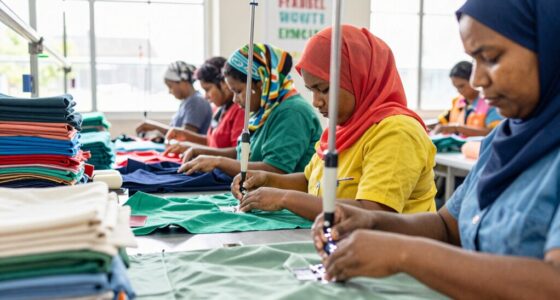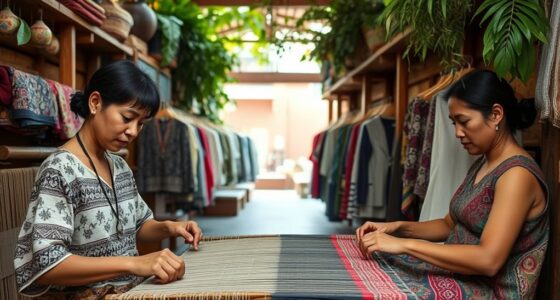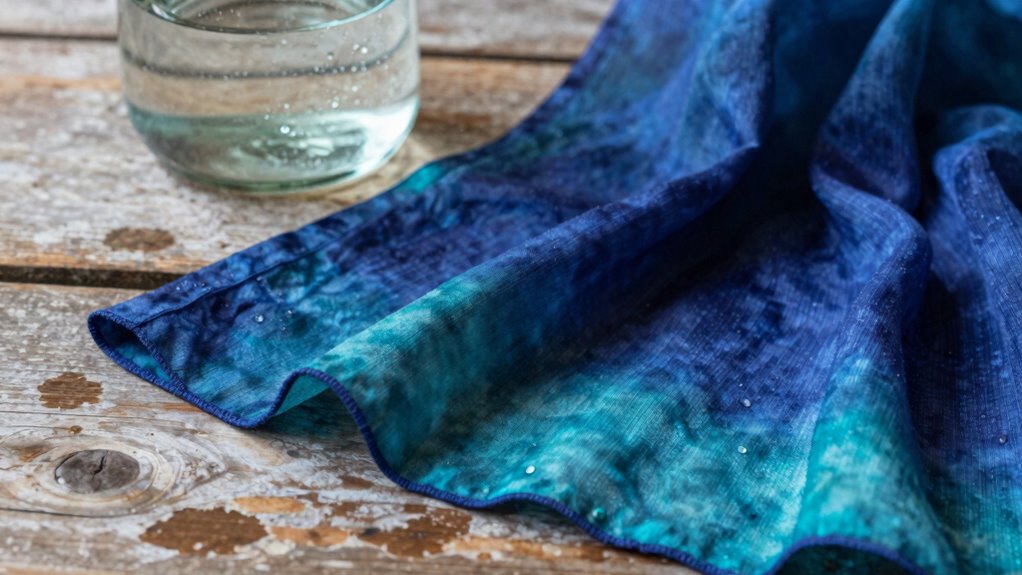

Your choices impact fashion’s water use and sustainability. The industry’s reliance on water-intensive processes like dyeing and cotton cultivation has major environmental consequences, often polluting and depleting water sources. However, innovations like waterless dyeing and sustainable sourcing are helping reduce these impacts. By understanding how water use shapes the industry, you can make more eco-conscious decisions. Keep exploring to discover ways you can help promote a more sustainable and water-wise fashion future.

Prime made for students and young adults
- Fast, free delivery for dorm and study essentials
- Prime Video and Amazon Music included
- Member-only deals
Key Takeaways
- Water-intensive dyeing processes significantly contribute to the fashion industry’s environmental footprint and pollution.
- Innovations like waterless dyeing and eco-friendly dyes reduce water consumption during garment production.
- The entire supply chain, from cotton cultivation to garment finishing, impacts overall water use and sustainability.
- Consumer choices, such as supporting water-efficient brands and proper garment care, influence industry water practices.
- Promoting water conservation in fashion ensures resource sustainability and supports long-term environmental and social goals.
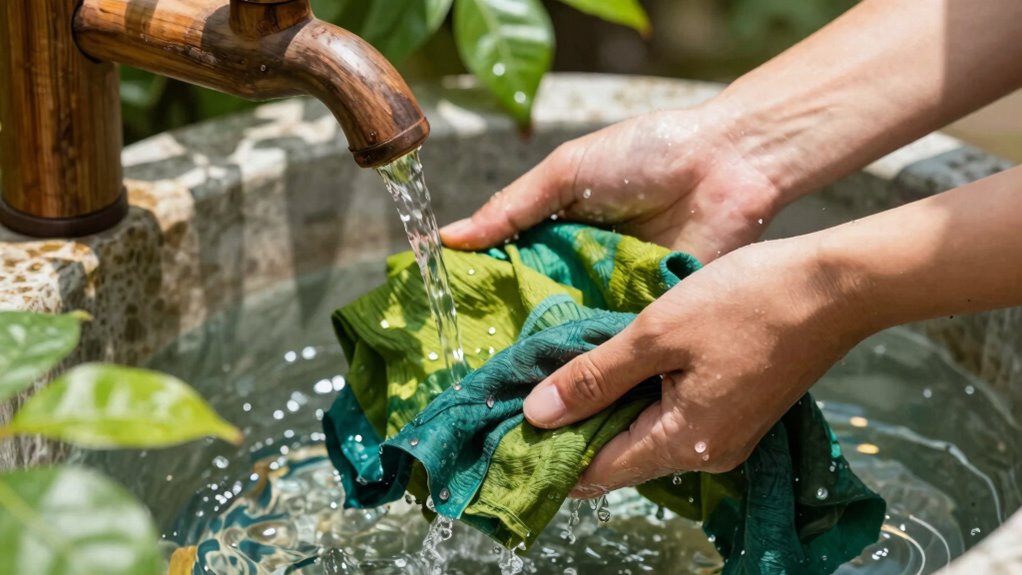
Water is a critical resource in the fashion industry, yet its use often goes unnoticed. When you think about how your favorite clothes are made, one of the most significant environmental impacts comes from dyeing processes. These processes involve soaking fabrics in colored solutions to achieve vibrant hues, but they also consume vast amounts of water. In fact, dyeing is responsible for a large portion of a garment’s water footprint. Each step, from preparing dye baths to rinsing fabrics, requires water that often goes down the drain after use. This not only depletes local water sources but also contributes to pollution if the wastewater isn’t properly treated. As a consumer, you might not realize how your clothing’s color and quality are tied to these water-intensive procedures. Recognizing the importance of water conservation in fashion can inspire more sustainable choices across the industry.
Your awareness of a garment’s water footprint can shape your choices, encouraging brands to adopt more sustainable dyeing methods. Many companies are now exploring waterless dyeing technologies or using eco-friendly dyes that require less water and fewer chemicals. These innovations aim to reduce the sheer volume of water needed during production, making the process more sustainable. When brands invest in such techniques, they lower their overall water use and lessen the environmental impact of their products.
The water footprint of fashion isn’t limited to dyeing alone; it spans every stage of the supply chain. From growing raw materials like cotton to finishing and washing garments, water consumption accumulates. Cotton cultivation, for example, demands enormous quantities of water, often leading to water shortages in producing regions. When you choose sustainably produced clothing, you support brands that prioritize water conservation throughout their manufacturing process. This can include sourcing fibers from water-efficient crops or implementing water recycling systems during dyeing and finishing.
Your purchasing decisions have a direct influence on how much water is used in fashion. By opting for brands committed to reducing their water footprint and embracing innovative dyeing techniques, you help push the industry toward more sustainable practices. Moreover, caring for your clothes properly—like washing them in cold water and avoiding unnecessary washes—further reduces the demand for water-intensive processes. Every small action counts in fostering a more sustainable fashion industry where water resources are preserved for future generations.
Popular right now

Dyson Ball Animal 2 Plus Corded Vacuum

KitchenAid Artisan 5-Quart Tilt-Head Stand Mixer, Almond Cream

De’Longhi Classic Matte Black Espresso Machine with Milk Frother
As an affiliate, we earn on qualifying purchases.
Frequently Asked Questions
How Does Water Pollution Affect Sustainable Fashion Practices?
Water pollution harms sustainable fashion practices by causing water contamination and dyeing pollution. When factories dump chemicals into water sources, it affects local ecosystems and communities. As someone concerned with sustainability, you should know that dyeing pollution from textile processes uses toxic dyes and chemicals, which worsen water quality. This contamination discourages eco-friendly practices, making it harder for brands to maintain sustainable standards while protecting the environment.
What Innovative Water-Saving Technologies Are Used in Textile Manufacturing?
You’ll be amazed to learn that innovative water-saving technologies, like water recycling in textile dyeing, drastically cut water use—up to 90% in some cases. These methods involve capturing and reusing water during dyeing processes, reducing pollution and conserving resources. Advanced techniques, such as digital printing, also minimize water consumption by using less dye and water. Embracing these innovations helps make fashion more sustainable and environmentally friendly.
How Can Consumers Reduce Water Footprint When Choosing Clothing?
You can reduce your water footprint by choosing clothing made from sustainable materials like organic cotton or hemp, which require less water during production. Be mindful of consumer awareness by researching brands that prioritize water-saving practices. Opt for high-quality, durable garments to extend their lifespan, and wash clothes in cold water to conserve resources. Your conscious clothing material selection and awareness make a significant difference in promoting fashion sustainability.
What Policies Promote Water Conservation in Fashion Supply Chains?
Like a lighthouse guiding ships, policies promote water conservation through effective water management and policy incentives. Governments can implement regulations requiring sustainable water practices, encourage transparency in water use, and support innovations in eco-friendly dyeing and finishing processes. These policies create a ripple effect, motivating brands to adopt responsible water management and fostering a culture of sustainability that preserves water resources for future fashion generations.
How Does Water Scarcity Influence Global Fashion Industry Trends?
Water scarcity drives you to prioritize water conservation in fashion, pushing brands to reduce their water footprint. You notice shifts toward sustainable materials and innovative dyeing processes that use less water. As water becomes scarcer, industry trends lean toward eco-friendly practices, encouraging transparency and accountability. This global challenge compels you to support brands committed to minimizing their fashion water footprint, ultimately fostering a more sustainable and responsible fashion industry.
Conclusion
Think of water use in fashion as the thread weaving sustainability into the fabric of our future. Every choice you make, from selecting eco-friendly brands to supporting water-saving practices, helps tighten this thread. By being mindful, you’re not just a consumer—you’re a weaver shaping a more sustainable world. Together, we can turn the tangled web of fast fashion into a beautifully sustainable tapestry, where every drop counts and every action creates ripples of change.