
As a new designer, you’re turning deadstock fabric into innovative, sustainable collections that stand out. You can explore unique textures, colors, and patterns not available elsewhere, making each piece exclusive. Using leftover fabrics reduces waste and supports ethical sourcing, aligning your work with conscious consumer values. This approach also helps stretch budgets and fosters originality. Keep exploring how these practices can elevate your designs and make a real industry impact.
Key Takeaways
- New designers utilize deadstock fabric to create unique, limited-edition collections that stand out in the market.
- They embrace sustainable practices by reducing waste and lowering production costs through deadstock sourcing.
- Deadstock fabric allows for experimentation with textures, colors, and patterns not accessible through standard channels.
- Using deadstock supports ethical sourcing, aligning new designers with consumer demand for responsible fashion.
- It enhances brand differentiation by showcasing a commitment to sustainability and innovative, mindful design.

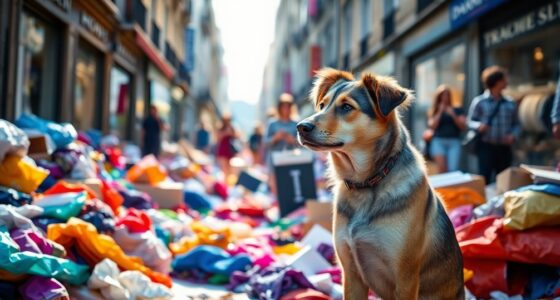
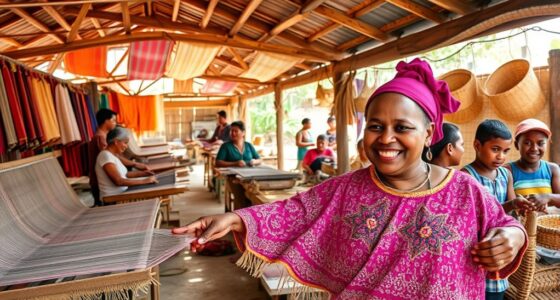
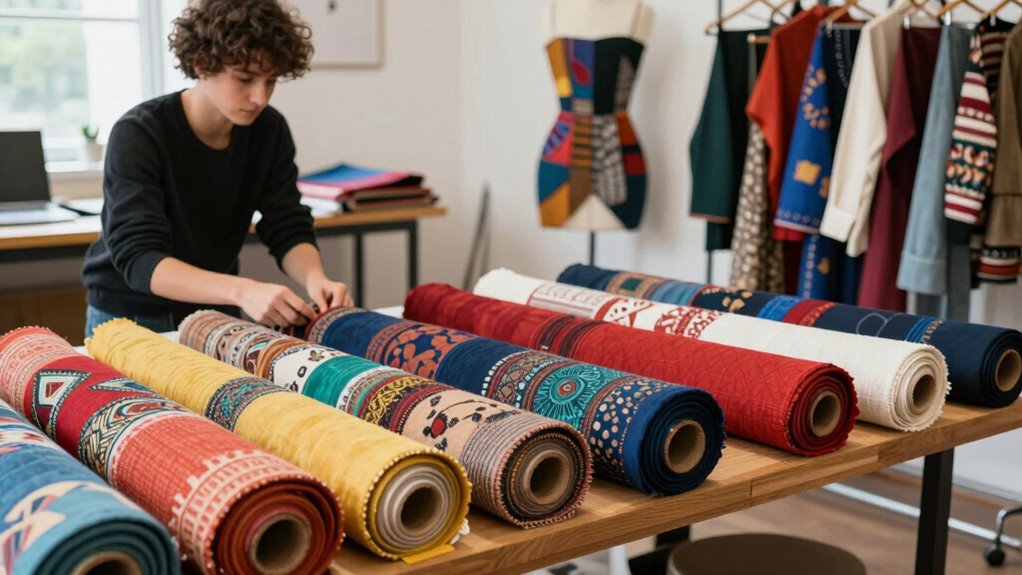
Many new designers are turning to deadstock fabric as a sustainable and creative resource, recognizing its potential to reduce waste and lower production costs. This shift isn’t just about saving money; it’s about making more ethical choices in how clothing is created. When you choose deadstock, you’re embracing sustainable sourcing, which means using leftover fabrics from previous productions instead of relying on new, resource-intensive materials. This approach helps cut down on fabric waste that would otherwise end up in landfills, supporting a more circular and responsible fashion industry. As a designer, you’re not only reducing environmental impact but also aligning your brand with growing consumer demand for ethical production practices. Incorporating deadstock fabric also encourages a more mindful design process, where every piece is made with intention and care. Using deadstock fabric allows you to explore unique textures, colors, and patterns that aren’t always available through standard fabric channels. Since these fabrics are leftover stock, they often come in limited quantities, encouraging you to design smaller, more exclusive collections. This exclusivity appeals to consumers seeking one-of-a-kind pieces, giving your brand a distinctive edge. It also means you can experiment with creative ideas without the pressure of mass production, fostering innovation and originality in your designs. Incorporating deadstock fabric can also lead to a more cost-effective production process, enabling designers to stretch their budgets further. Integrating deadstock fabric into your work supports ethical production, which is increasingly important to today’s conscious consumers. They want to know that their clothes are produced responsibly, without exploiting labor or wasting resources. By choosing deadstock, you’re making a statement that your brand values sustainability and ethical standards. It’s a tangible way to demonstrate your commitment to reducing the environmental footprint of fashion. Many brands that emphasize ethical production also find that deadstock sourcing helps build trust and loyalty among customers who prioritize transparency and social responsibility. Furthermore, working with deadstock fabric often encourages more mindful design practices, reducing fabric waste and maximizing the use of every available material. You learn to maximize every inch of fabric, minimizing waste throughout the creative process. This mindset promotes a more sustainable workflow, where every piece of fabric counts. As a new designer, you have the opportunity to set an example within the industry by championing responsible sourcing and ethical production methods. Your dedication to these principles can differentiate your brand and resonate deeply with consumers seeking authenticity and sustainability.

Moiré Fabric | White Designer Deadstock | by the Yard | Moiré Fabric By The Yard Dressmaking Structured Formal Special Occasion
- Type: Moiré Fabric by the Yard
- Texture: Crisp, structured with light-catching dimension
- Use Cases: Dresses, skirts, jackets, special occasion garments
As an affiliate, we earn on qualifying purchases.
As an affiliate, we earn on qualifying purchases.
Frequently Asked Questions
How Do New Designers Source Deadstock Fabric Sustainably?
You can source deadstock fabric sustainably by connecting with local suppliers or online platforms that specialize in vintage-inspired, unused textiles. This helps you combat fabric scarcity while reducing waste. You might also explore thrift stores or fabric exchanges to find unique pieces. By prioritizing these sources, you support eco-friendly practices and create designs inspired by vintage aesthetics, ensuring your collection is both stylish and environmentally conscious.
What Challenges Do Designers Face When Working With Deadstock Fabric?
When working with deadstock fabric, you face sourcing challenges like limited quantities and inconsistent fabric quality, which can complicate your design process. You might struggle to find matching pieces or reliable supplies, risking delays or compromises in your final product. These hurdles require creativity and flexibility, but they also push you to innovate with unique fabrics, ultimately fostering sustainable practices and distinctive designs that stand out in the market.
Is Deadstock Fabric Cost-Effective for Emerging Fashion Brands?
Imagine finding a rare gem that elevates your brand’s story—deadstock fabric offers emerging brands a cost-effective way to achieve that luxury branding and vintage appeal. It’s like turning forgotten treasures into coveted pieces, reducing waste and costs simultaneously. For new designers, this fabric isn’t just affordable; it’s a sustainable choice that adds authentic charm to your collections, helping you stand out without breaking the bank.
How Does Deadstock Fabric Influence a Designer’s Creativity?
Deadstock fabric sparks your creativity by pushing you toward upcycling inspiration and material innovation. You find unique ways to transform leftover textiles into one-of-a-kind designs, which sets your work apart. It challenges you to think outside the box, blending sustainability with originality. This influence encourages experimentation, inspires fresh ideas, and helps you develop a distinctive style while promoting eco-friendly practices. Deadstock fabric becomes a catalyst for your creative growth.
Are There Specific Markets or Demographics Interested in Deadstock Fashion?
They say “beauty is in the eye of the beholder,” and many markets now seek deadstock fashion for its vintage appeal and ethical sourcing. Fashion-conscious consumers, eco-enthusiasts, and trendsetters prioritize sustainability, making them prime demographics interested in deadstock apparel. You’ll find that these groups value unique, limited-edition pieces, appreciating the story behind each fabric and the positive environmental impact, turning deadstock into a must-have for conscious fashion lovers.

Fabric for Fashion: The Swatch Book Revised Second Edition
As an affiliate, we earn on qualifying purchases.
As an affiliate, we earn on qualifying purchases.
Conclusion
So, next time you spot a designer proudly flaunting deadstock fabric, remember—you’re witnessing the fashion world’s best-kept secret: recycling with style. Who knew that saving the planet could look this good? It’s almost like these new designers are onto something—saving the planet one fabulous, guilt-free outfit at a time. So go ahead, embrace the eco-chic revolution, and look fabulous doing it—because why not turn sustainability into your new signature style?

Craft Rabbit Skin Fur Pelt – Ethically Sourced, 10"x15" Tanned Hide for DIY Crafts, Costumes & Home Décor(1, White 10×15)
- Genuine Rabbit Skin Fur: Soft, cleaned, and professionally tanned
- Undyed Natural Color: Unique variations for rustic projects
- Lightweight and Fluffy: Ideal for crafts, linings, and trims
As an affiliate, we earn on qualifying purchases.
As an affiliate, we earn on qualifying purchases.

Lori Holt Bee Bundle Limited Edition Colors 40 2.5-inch Strips Jelly Roll Riley Blake RP-15570-40
- Collection Name: Bee Bundle Limited Edition Colors
- Designer: Lori Holt of Bee In My Bonnet
- Includes: 40 strips, 2.5 x 44 inches
As an affiliate, we earn on qualifying purchases.
As an affiliate, we earn on qualifying purchases.