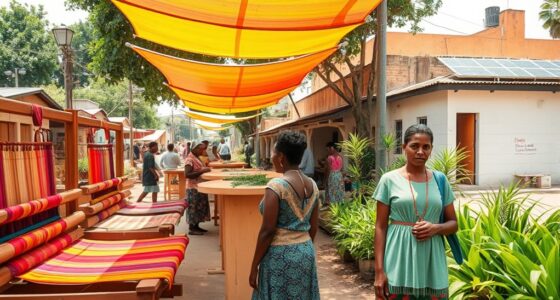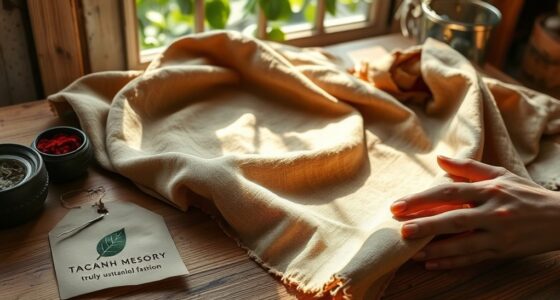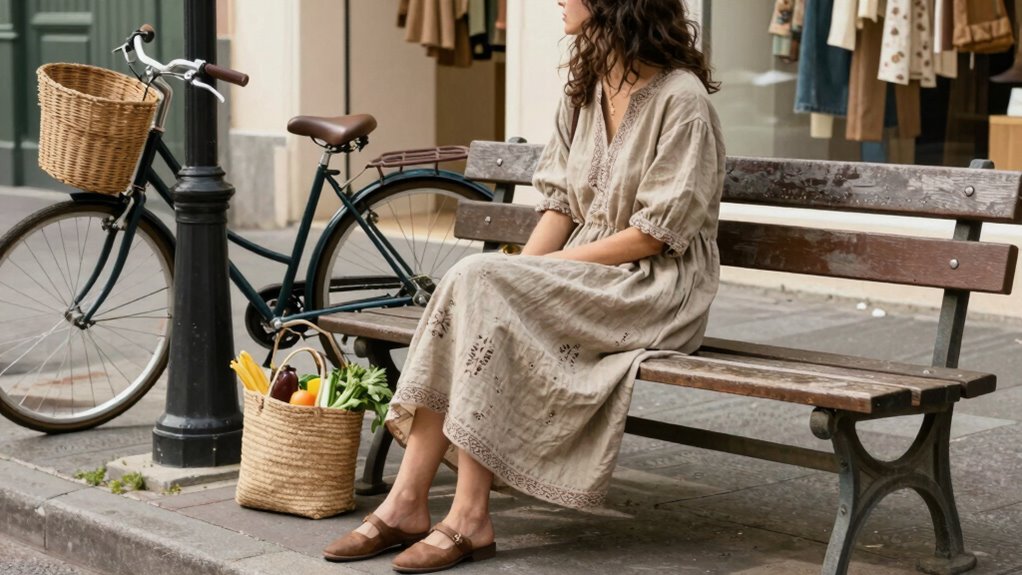

Living a slow fashion lifestyle means you make intentional choices, focusing on buying high-quality, ethically made clothes that last longer. You shop at thrift stores, support sustainable brands, and prioritize fit and style over fleeting trends. You care for your garments with eco-friendly laundry routines and mend minor damages. By valuing craftsmanship and reducing waste, you create a wardrobe that reflects your values and makes a positive impact. Keep exploring to learn how these habits shape a more sustainable everyday life.

Prime made for students and young adults
- Fast, free delivery for dorm and study essentials
- Prime Video and Amazon Music included
- Member-only deals
Key Takeaways
- Prioritizing high-quality, durable clothing that lasts longer and reduces the need for frequent replacements.
- Shopping from sustainable brands, thrift stores, or vintage shops that prioritize ethical and eco-friendly sourcing.
- Maintaining garments through eco-friendly washing, air drying, and mending to extend their lifespan.
- Choosing timeless styles over fleeting trends to create a versatile, meaningful wardrobe.
- Making intentional purchases aligned with personal values, emphasizing craftsmanship and environmental responsibility.

In today’s fast-paced world, embracing slow fashion in daily life offers a meaningful way to reduce waste and make more thoughtful choices. Instead of chasing fleeting trends, you focus on building a sustainable wardrobe—clothing that lasts longer, is made responsibly, and aligns with your values. This shift means you’re more intentional about what you buy, prioritizing quality over quantity. Ethical shopping becomes second nature as you seek out brands that prioritize fair labor practices, environmentally friendly materials, and transparent supply chains. These choices help you minimize your fashion footprint while cultivating a wardrobe rooted in purpose.
Embrace slow fashion by prioritizing quality, sustainability, and ethical brands to create a purposeful, lasting wardrobe.
When you adopt slow fashion, your shopping habits change. You’re more likely to invest in pieces that resonate with your style and fit well, rather than impulse purchases that fade quickly. You might visit local thrift shops, explore vintage stores, or browse sustainable brands online. These options allow you to find unique items, often crafted with care and durability in mind. By choosing quality over quantity, you reduce the need for frequent replacements, which cuts down on textile waste and energy consumption. Plus, you become more aware of the story behind each piece, fostering a deeper connection to your clothing. Incorporating systems thinking into your wardrobe choices helps you see the interconnected impacts of your consumption habits on the environment and society. A better understanding of supply chain transparency can help you make more informed, ethical decisions. Developing a circular economy mindset encourages you to reuse, recycle, and repurpose your garments, further reducing waste. Additionally, understanding the role of sustainable materials in sourcing can influence you to prioritize fibers that are environmentally friendly and ethically produced.
In daily life, slow fashion also involves caring for your clothes properly. Washing garments with eco-friendly detergents, air drying instead of tumble drying, and mending minor damages extend the life of your wardrobe pieces. This not only saves money but also reinforces your commitment to sustainability. You start to see your wardrobe as an evolving collection of meaningful items, rather than a revolving door of fast-fashion throwsaways. Over time, your closet becomes more curated and personalized, reflecting your values and style. Additionally, understanding the importance of biodiversity in sourcing materials encourages you to choose fibers and fabrics that support ecological balance.
You also become more mindful of how your clothing impacts the environment and the people behind the garments. Ethical shopping isn’t just about buying less but choosing better. You research brands, read labels, and support companies transparent about their sourcing and production practices. This conscientious approach ensures your wardrobe aligns with your principles, making each purchase a deliberate act of sustainability. It’s about creating a wardrobe that’s not only stylish but also responsible.
Ultimately, living slow fashion daily means shifting your mindset from consumption to appreciation. You value durability, craftsmanship, and ethical standards. Your wardrobe becomes a reflection of your commitment to making a positive impact, one thoughtful purchase at a time. This way, slow fashion isn’t just a trend; it’s a sustainable lifestyle that supports both the planet and the people who make your clothes.
ethical high-quality wardrobe staples
As an affiliate, we earn on qualifying purchases.
As an affiliate, we earn on qualifying purchases.
Frequently Asked Questions
How Can I Identify Truly Sustainable Clothing Brands?
To identify truly sustainable clothing brands, look for those committed to ethical sourcing and transparency reports. These brands openly share their supply chain details, ensuring fair wages and eco-friendly practices. Check their website for clear information on materials used, production processes, and certifications. If a brand prioritizes transparency and ethical sourcing, it’s a strong sign they’re genuinely dedicated to slow fashion principles.
What Are Affordable Ways to Start Slow Fashion Habits?
Think of building your wardrobe as planting a resilient tree. Start with affordable, ethically sourced basics that serve as roots—think versatile pieces for a capsule wardrobe. Prioritize quality over quantity, and buy fewer, better items. Thrift stores and sales are your fertile ground, making slow fashion accessible. Over time, your wardrobe grows stronger, more intentional, and sustainable—reflecting your commitment to ethical sourcing and mindful consumption.
How Do I Care for and Maintain Slow Fashion Items?
To care for your slow fashion items, focus on clothing longevity by washing fabrics carefully and following care labels. Use gentle detergents, avoid high heat, and air dry when possible to prevent damage. Store items properly to maintain shape and quality. Regularly inspect your clothes for wear and repair small tears promptly. These habits help extend the life of your garments, ensuring they remain beautiful and sustainable for years to come.
Can Slow Fashion Be Stylish and Trendy?
Isn’t it possible to be both stylish and eco-conscious? Absolutely! Slow fashion allows you to craft a seasonal wardrobe filled with timeless pieces and vintage finds that never go out of style. By choosing quality over quantity and exploring vintage shopping, you can stay trendy while supporting sustainable practices. Your wardrobe becomes a reflection of your unique style, proving that slow fashion isn’t just ethical—it’s also incredibly chic.
How Does Slow Fashion Impact Local Communities?
Slow fashion positively impacts local communities by supporting local craftsmanship and fostering community empowerment. When you choose slow fashion, you’re encouraging artisans and small producers, helping them thrive economically. This sustainable approach promotes fair wages and better working conditions, strengthening community bonds. Your conscious shopping choices can preserve traditional skills, create local jobs, and guarantee that craftsmanship continues to flourish, making a meaningful difference in the lives of those involved.
eco-friendly laundry detergent for clothes
As an affiliate, we earn on qualifying purchases.
As an affiliate, we earn on qualifying purchases.
Conclusion
By embracing slow fashion in your daily life, you don’t just make a choice—you revolutionize your world. Each mindful purchase becomes a act of defiance against the chaos of fast fashion’s frenzy, elevating your wardrobe to a sanctuary of timeless elegance. As you cherish quality over quantity, you transform yourself into a living masterpiece, wielding the power to reshape the entire fashion industry—one thoughtfully curated piece at a time. Your choices echo through eternity, shaping a future that’s truly sustainable.
vintage and thrift store clothing
As an affiliate, we earn on qualifying purchases.
As an affiliate, we earn on qualifying purchases.
As an affiliate, we earn on qualifying purchases.
Fall Picks
fall essentials
As an affiliate, we earn on qualifying purchases.