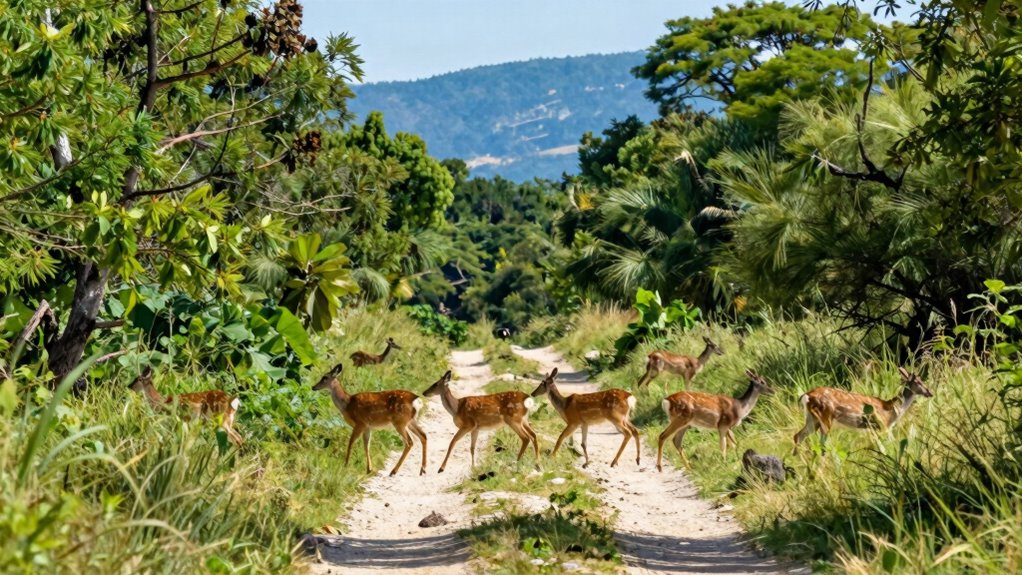

Wildlife corridors help species survive by connecting fragmented habitats and allowing safe movement across dangerous barriers like roads and cities. They support genetic diversity, reducing risks of inbreeding and boosting adaptability. These corridors also aid migration, reproduction, and access to resources like water and food. By decreasing human-wildlife conflicts and maintaining ecosystem health, corridors promote resilient populations. If you want to discover more about how these lifelines sustain wildlife, keep exploring this important topic.

Prime made for students and young adults
- Fast, free delivery for dorm and study essentials
- Prime Video and Amazon Music included
- Member-only deals
Key Takeaways
- Connect fragmented habitats, allowing safe movement and access to resources for wildlife.
- Promote gene flow between populations, preventing inbreeding and supporting genetic diversity.
- Facilitate migration routes essential for breeding, feeding, and seasonal movements.
- Reduce human-wildlife conflicts by providing designated pathways away from settlements.
- Enhance ecosystem resilience by maintaining natural ecological processes and biodiversity.
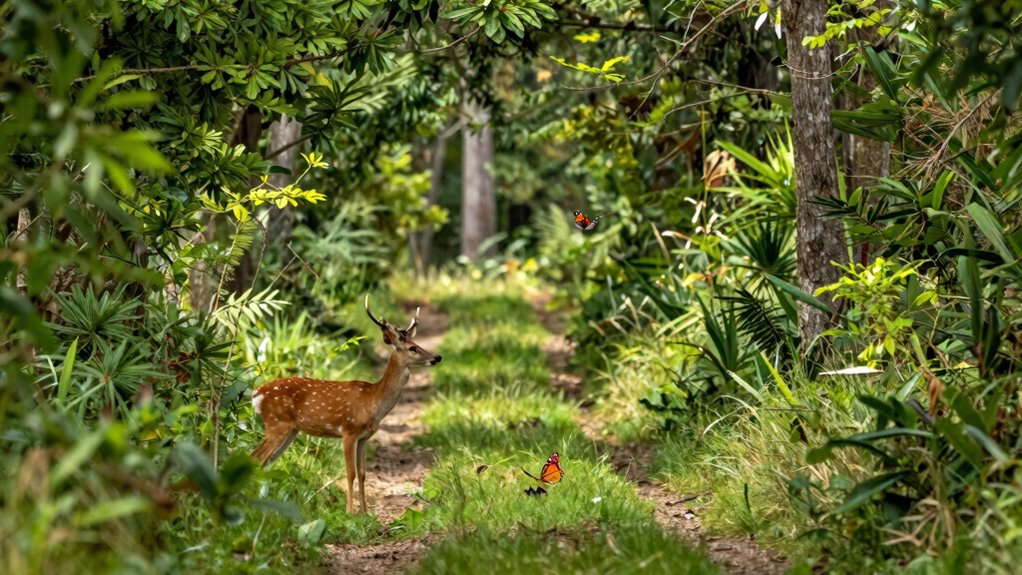
Wildlife corridors are critical pathways that connect fragmented habitats, allowing animals to move safely between different areas. When habitats become divided by roads, urban development, or agriculture, it creates barriers that isolate populations. This habitat fragmentation disrupts animals’ natural movement patterns, making it harder for them to find food, mates, or suitable nesting sites. Without corridors, many species face increased risks of decline or extinction because their populations become too small and isolated to sustain healthy genetic diversity. When populations are cut off from each other, inbreeding occurs, which can lead to genetic bottlenecks and reduced resilience against diseases or environmental changes.
By establishing wildlife corridors, you help restore these essential links between separated habitats. When animals can move freely across connected landscapes, it promotes gene flow, ensuring that genetic diversity remains high. This diversity is fundamentally important because it enhances the ability of populations to adapt to new threats, like changing climates or emerging diseases. You’re essentially giving species a better chance to survive longer-term by maintaining their evolutionary potential. Corridors also allow animals to access different resources, such as water sources, food, or shelter, which might be scarce or unavailable in their current habitat. This reduces competition and helps stabilize populations, preventing rapid declines that could result from resource shortages.
You also support ecological processes that benefit entire ecosystems. For example, when predators, prey, pollinators, and seed dispersers can move throughout a landscape, it keeps ecosystems healthy and resilient. This interconnected movement helps maintain biodiversity, which is critical for ecosystem stability. As you create or protect wildlife corridors, you’re helping to mitigate some of the negative effects of habitat fragmentation and preserving the natural dynamics that keep species thriving. Additionally, maintaining genetic diversity within populations is vital for their long-term adaptability and survival.
Furthermore, wildlife corridors serve as migration routes crucial for seasonal and long-distance movements, supporting species’ reproductive and feeding cycles. These pathways are especially important for migratory species that depend on specific habitats during different parts of their lifecycle. Your efforts in safeguarding these corridors directly contribute to the survival of species that rely on long-distance movement for their life cycles. Additionally, connectivity within landscapes can help reduce human-wildlife conflicts by providing designated routes for animals to move safely away from human settlements, reducing unintended encounters. Promoting **habitat connectivity** also encourages a more resilient and balanced ecosystem, which benefits both wildlife and human communities. Overall, by promoting connectivity through wildlife corridors, you foster healthier ecosystems, support **species resilience**, and ensure the preservation of biodiversity for future generations.
As an affiliate, we earn on qualifying purchases.
Frequently Asked Questions
How Do Wildlife Corridors Affect Local Human Communities?
Wildlife corridors positively impact your community by promoting urban integration, making cities more eco-friendly and attractive. They encourage community engagement through educational programs and outdoor activities, fostering a sense of environmental responsibility. These corridors reduce human-wildlife conflicts, ensuring safety and coexistence. Additionally, they boost local economies by attracting eco-tourists. Overall, wildlife corridors bring ecological benefits directly to your community, creating a healthier, more sustainable environment for everyone.
What Are the Biggest Challenges in Creating Wildlife Corridors?
You face challenges like land connectivity issues, where existing developments block animal movement, worsening habitat fragmentation. For example, in California, building wildlife corridors required negotiating with multiple landowners and balancing conservation with development interests. Securing funding and political support adds complexity, making it hard to establish effective corridors. These obstacles hinder efforts to connect habitats, which are essential for species survival and maintaining healthy ecosystems.
How Are Wildlife Corridors Funded and Maintained?
You can secure funding for wildlife corridors through diverse sources like government grants, private donations, and conservation organizations. Once established, maintenance strategies include regular habitat assessments, clearing invasive species, and guaranteeing connectivity remains functional. You might also involve local communities and volunteers in upkeep efforts, fostering shared responsibility. This combined approach helps ensure corridors stay healthy and effective, supporting species survival over the long term.
Do Wildlife Corridors Impact Agricultural Land Use?
Wildlife corridors act like bridges in a busy city, helping habitat connectivity and reducing land fragmentation. They can influence agricultural land use by sometimes cutting through farms, but they’re designed to balance conservation and farming needs. While they might take up small portions of land, they promote healthier ecosystems, ultimately benefiting agriculture by supporting pollinators and natural pest control. You’ll find that properly planned corridors enhance both wildlife survival and farmland resilience.
Can Wildlife Corridors Help Combat Climate Change Effects?
Yes, wildlife corridors can help combat climate change effects by enhancing climate resilience and maintaining habitat connectivity. By linking fragmented habitats, you enable species to migrate more easily to cooler areas or better conditions, reducing their risk of extinction. Corridors also support genetic diversity, strengthening ecosystems against climate stresses. Overall, they serve as essential pathways that help ecosystems adapt to changing climate patterns, safeguarding biodiversity for future generations.
As an affiliate, we earn on qualifying purchases.
Conclusion
Wildlife corridors are essential for your survival, connecting fragmented habitats and allowing species to thrive. Did you know that over 60% of the world’s terrestrial animals are at risk due to habitat loss? By supporting these corridors, you’re helping to preserve biodiversity and guarantee future generations can enjoy a rich variety of life. Your actions can make a difference—protect these pathways and give wildlife the freedom to move, survive, and flourish.
As an affiliate, we earn on qualifying purchases.
wildlife habitat connectivity kit
As an affiliate, we earn on qualifying purchases.
As an affiliate, we earn on qualifying purchases.
Halloween Picks
halloween
As an affiliate, we earn on qualifying purchases.