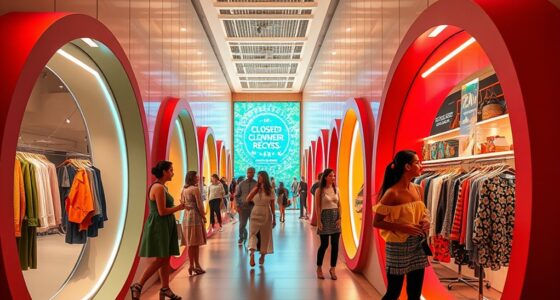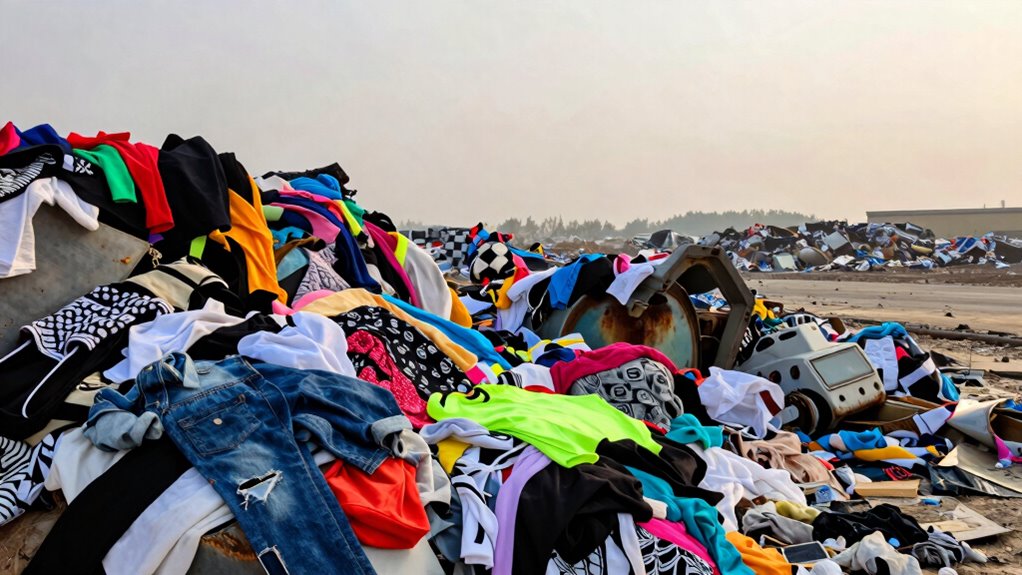

Fashion waste remains a global challenge because the industry still overproduces and encourages rapid disposal, driven by fast fashion trends and consumer demand. Many brands prioritize low costs over sustainability, and sustainable materials are not widely adopted due to higher costs. Recycling innovations are advancing but face technological and infrastructure barriers. If you explore further, you’ll discover how industry practices and consumer choices can help tackle this ongoing environmental issue.
Key Takeaways
- Overproduction and fast fashion encourage excessive garment creation and rapid disposal, increasing waste globally.
- Limited adoption of sustainable materials due to higher costs and supply chain resistance hampers eco-friendly practices.
- Recycling innovations face technological and infrastructural challenges, preventing widespread industry integration.
- Consumer demand for cheap, trendy clothing drives overconsumption and waste in the fashion industry.
- Lack of industry-wide transparency and policy support slows progress toward sustainable waste reduction.

The fashion industry is one of the world’s biggest contributors to environmental waste, and its impact is only growing. Every year, millions of garments are produced, bought, and discarded, creating mountains of waste that strain landfills and ecosystems. You might think that choosing sustainable materials could solve this problem, but the reality is more complex. Sustainable materials like organic cotton, recycled polyester, and hemp are making headway, yet they still represent a small fraction of global production. Many brands hesitate to switch because these alternatives can be more expensive, and supply chains are often resistant to change. Still, when you opt for clothing made from sustainable materials, you’re supporting a movement that aims to reduce the environmental footprint of fashion. But even with these materials, recycling innovations play a crucial role in tackling waste. Advanced recycling techniques now allow manufacturers to break down old garments into fibers and create new textiles, closing the loop in the lifecycle of clothing. This innovation means that discarded clothes can be transformed into fresh fabric, reducing the need for virgin resources and decreasing landfill overflow. However, adoption remains slow, hindered by technological limitations and the high costs of recycling infrastructure. As a consumer, you might not see these innovations in everyday shopping, but they are indispensable in pushing the industry toward more sustainable practices. The challenge lies in scaling these recycling innovations so they become the norm rather than the exception. Many brands still prioritize rapid production and low costs over sustainability, which perpetuates a cycle of overproduction and waste. You can influence this by demanding transparency and sustainable options from the brands you support. The problem is not just about what you buy but also about how the industry operates at large. The push for fast fashion, with its obsession for constantly new styles, exacerbates waste, making it harder for sustainable practices to take hold. To truly address global fashion waste, efforts need to go beyond just consumer choices. Industry-wide shifts are necessary—embracing sustainable materials on a larger scale and investing in recycling innovations that can handle complex textiles. These solutions are essential, but they require time, investment, and political will. Meanwhile, your role as a conscious consumer can accelerate change by supporting brands committed to sustainable practices and advocating for policies that promote recycling and eco-friendly materials. The fight against fashion waste is ongoing, and although progress is slow, every step toward embracing sustainable materials and recycling innovations brings us closer to reducing the immense environmental toll of the fashion industry. Additionally, fostering awareness about sustainable practices within the industry can drive broader change and encourage more companies to adopt eco-friendly approaches. Recognizing the importance of circular economy principles can further enhance efforts to minimize waste and maximize resource reuse. Moreover, increased consumer demand for transparency can influence brands to prioritize ethical manufacturing processes that contribute to reducing overall waste.
sustainable organic cotton clothing
As an affiliate, we earn on qualifying purchases.
As an affiliate, we earn on qualifying purchases.
Frequently Asked Questions
How Does Fashion Waste Impact Local Communities Differently Worldwide?
You see, fashion waste impacts local communities differently worldwide because of local impacts and cultural differences. In some areas, waste leads to pollution and health issues, affecting residents’ daily lives. In others, traditional practices clash with fast fashion, causing cultural shifts and economic struggles. You’ll notice that communities with strong cultural ties to textile crafts may resist waste reduction efforts, highlighting how local impacts and cultural differences shape each community’s response to fashion waste.
What Are Innovative Technologies Helping Reduce Fashion Waste?
Like Da Vinci’s ingenuity, innovative technologies are transforming fashion waste reduction. You can leverage textile recycling to turn old garments into new fabrics, minimizing landfill burdens. Digital fashion also plays a role, allowing you to design and showcase clothing virtually, reducing material use. These advancements help you cut waste, promote sustainability, and stay ahead in a fast-evolving industry that’s increasingly conscious of its environmental footprint.
How Do Consumer Behaviors Influence Global Fashion Waste Levels?
Your consumer habits, like frequently buying fast fashion and discarding clothes quickly, considerably influence global fashion waste levels. When disposal practices lean toward tossing rather than recycling or donating, waste piles up. By choosing sustainable brands, repairing garments, and practicing mindful consumption, you can reduce waste. Your behaviors directly shape the industry’s impact, encouraging more eco-friendly practices and helping diminish fashion waste worldwide.
What Policies Are Most Effective in Minimizing Fashion Waste?
Think of a well-tuned orchestra where policies act as the conductor. Effective policies promote sustainable manufacturing practices and foster a circular economy, encouraging brands to reduce waste and reuse materials. Implementing strict regulations, incentivizing eco-friendly innovations, and supporting recycling initiatives help minimize fashion waste. You can champion these policies by demanding transparency and sustainability from brands, ensuring that the industry moves toward a more responsible, waste-free future.
How Can Small Brands Contribute to Reducing Fashion Waste?
You can contribute to reducing fashion waste by prioritizing sustainable sourcing and ethical manufacturing in your brand. Focus on sourcing eco-friendly materials and working with suppliers committed to sustainable practices. Implement slow fashion principles, produce limited collections, and encourage customers to buy intentionally. Educate your audience about the importance of reducing waste, and promote repair and reuse. These efforts help minimize waste while positioning your brand as responsible and eco-conscious.
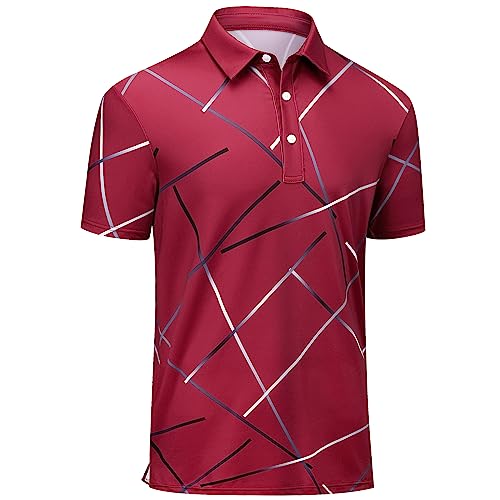
Golf Shirt for Men, Recycled Polyester Activewear Clothes Red Magenta S
- Material: Recycled polyester for sustainability
- Moisture-Wicking: Keeps you dry and comfortable
- Design: Printed, eye-catching pattern
As an affiliate, we earn on qualifying purchases.
As an affiliate, we earn on qualifying purchases.
Conclusion
So, as you consider the staggering impact of fashion waste, one thing’s clear: the problem isn’t going away anytime soon. But what if your next choice could make a difference? Will you join the movement to challenge the status quo—and perhaps, change the course of fashion’s future? The answer lies in what you decide to do next. Stay tuned, because the next step could be the most important one yet.

Box USA 50 Gallon 18 L x 18 W x 36 H 10-Pack Cardboard Trash Cans and Recycling Bins, Reusable or Disposable Pop Up Garbage Boxes
- Versatile Use Cases: Suitable for charities, events, offices, and more
- Easy to Carry: Features hand holes for convenient transport
- Stable Design: Flat bottoms for secure placement
As an affiliate, we earn on qualifying purchases.
As an affiliate, we earn on qualifying purchases.

Build Your Sustainable Fashion Brand: A Guided Workbook to Plan, Design & Launch Your Eco-Friendly Fashion Brand: A printable workbook for ethical fashion designers, students, and entrepreneurs
As an affiliate, we earn on qualifying purchases.
As an affiliate, we earn on qualifying purchases.