
Blockchain in fashion traceability allows you to track a garment’s journey from raw materials to retail with a secure, transparent record. It verifies authenticity, ensuring products are genuine and ethically sourced, which builds trust. You can see details about sustainable practices and fair labor processes, promoting transparency. This technology also boosts supply chain efficiency and quality assurance with real-time updates. If you want to understand how this revolutionary approach shapes the industry, keep exploring the details.

Get school and study supplies delivered free — and shop member deals
- Fast, free delivery on millions of items
- Access to Prime Big Deal Days deals on October 6–7
- Prime Video, Amazon Music and more included
Key Takeaways
- Blockchain creates an immutable ledger tracking each production step, ensuring transparency from raw materials to retail.
- It verifies eco-friendly sourcing and ethical labor practices through secure, tamper-proof records.
- Blockchain enables real-time updates on shipment status and quality checks, improving supply chain efficiency.
- Digital authentication via QR codes or NFC tags confirms product authenticity and combats counterfeiting.
- Shared blockchain records build consumer trust by providing transparent, reliable information about a product’s origin and journey.
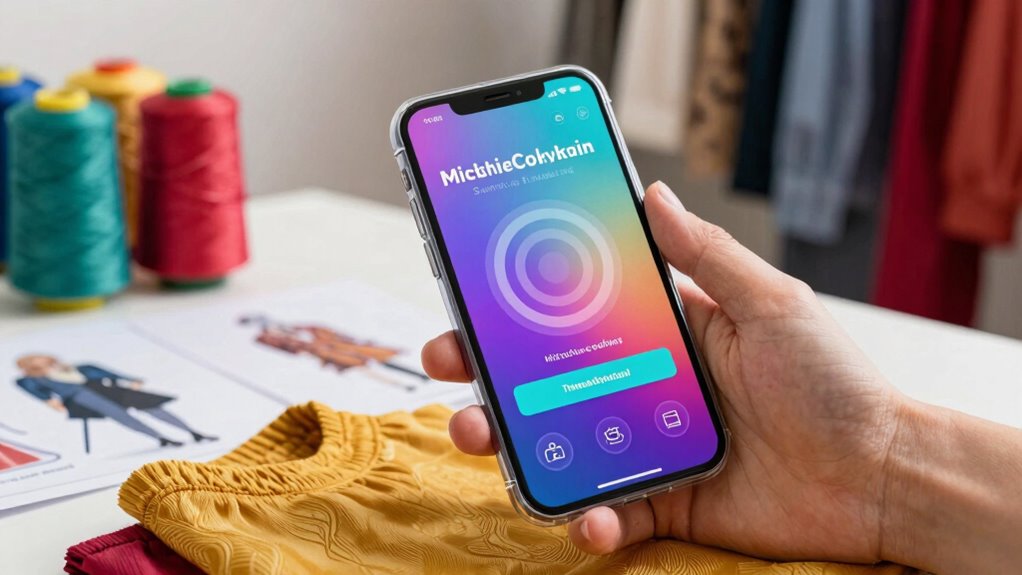
Blockchain technology is transforming how the fashion industry tracks and verifies the journey of garments from raw materials to retail shelves. This innovation enhances digital authentication, enabling you to confirm the authenticity of designer labels or luxury items instantly. When you scan a product’s QR code or NFC tag, blockchain provides a secure, unchangeable record that verifies its origin and authenticity, helping to combat counterfeiting and ensuring you receive genuine products. This level of digital authentication fosters trust between brands and consumers, giving you confidence that the items you purchase are authentic and ethically sourced.
Blockchain verifies authenticity instantly, fighting counterfeits and ensuring genuine, ethically sourced luxury fashion.
Beyond verifying individual products, blockchain notably improves supply chain transparency. As a consumer, you increasingly demand to know where your clothes come from and under what conditions they were made. Blockchain creates an open, traceable ledger that records every step of a garment’s production, from the sourcing of raw materials to manufacturing and distribution. With this technology, brands can share detailed information about their supply chains, such as the origin of organic cotton or the fair labor practices involved in production. This transparency allows you to make more informed choices, aligning your purchasing decisions with your values. Additionally, the digital ledger ensures that all the recorded data remains accessible and reliable over time, further strengthening the trust in the shared information. Moreover, blockchain’s decentralized nature prevents any single entity from controlling or tampering with the data, enhancing its integrity. A shared record also helps facilitate collaboration among different stakeholders, promoting a more sustainable and responsible fashion industry. In addition, blockchain can support sustainable practices by providing verifiable proof of eco-friendly initiatives and certifications.
Using blockchain, brands can streamline their supply chains by providing real-time updates on the status of shipments, production milestones, and quality checks. This increased visibility reduces delays and errors, ensuring products are delivered efficiently and with verified quality. For you, this means a more reliable supply chain, fewer surprises, and greater confidence in the products you buy. Furthermore, blockchain’s secure and decentralized nature ensures that the data cannot be tampered with, maintaining the integrity of the information shared with consumers. You can trust that the details about a product’s journey are accurate and unaltered. Additionally, blockchain’s immutable record ensures data cannot be altered retroactively, further safeguarding the authenticity and transparency of the information.
Finally, blockchain supports sustainability initiatives by enabling brands to provide transparent information about eco-friendly practices and ethical sourcing. When you see that a brand’s supply chain is verified through blockchain, you gain assurance that they adhere to sustainable standards. This transparency encourages brands to maintain responsible practices, knowing that consumers are actively seeking authentic, ethically produced fashion. By leveraging blockchain for digital authentication and supply chain transparency, you become an empowered shopper, capable of making choices that reflect your values and support a more transparent and responsible fashion industry.
digital authentication QR code luxury fashion
As an affiliate, we earn on qualifying purchases.
As an affiliate, we earn on qualifying purchases.
Frequently Asked Questions
How Does Blockchain Ensure Data Privacy in Fashion Traceability?
Blockchain guarantees your data privacy in fashion traceability by using data encryption, which secures your information from unauthorized access. You also benefit from access controls, allowing you to decide who can view or modify specific data. These features work together to protect sensitive information, giving you confidence that your data remains private while still enabling transparent tracking of fashion supply chains.
Can Consumers Verify Product Authenticity Through Blockchain?
Yes, you can verify product authenticity through blockchain. It provides a transparent, tamper-proof record that boosts your consumer trust. When you scan a product’s digital certification, you access detailed traceability data stored securely on the blockchain. This allows you to confirm that the item is genuine, ensuring quality and ethical sourcing. Blockchain’s decentralized nature makes it easier for you to authenticate products confidently, fostering greater trust in fashion brands.
What Are the Costs Associated With Implementing Blockchain in Fashion?
You might think blockchain costs are prohibitive, but a thorough cost analysis shows they’re manageable with strategic planning. Implementation challenges, like integrating existing systems and training staff, can be overcome with proper resources. While initial setup requires investment, long-term benefits—transparency, reduced counterfeits—justify the expense. By understanding these costs upfront, you can decide if adopting blockchain aligns with your fashion business’s goals and budget.
How Does Blockchain Handle Counterfeit Prevention?
Blockchain prevents counterfeits by using smart contracts and digital tokens. When you verify a product’s authenticity, the blockchain records an unchangeable history, making counterfeiting difficult. Smart contracts automatically confirm transactions and ownership transfers, ensuring only genuine items move through the supply chain. Digital tokens act as digital certificates of authenticity, allowing you to easily verify a product’s origin and authenticity, reducing the risk of counterfeit goods entering the market.
Are There Legal Regulations for Blockchain Use in Fashion Supply Chains?
You should know that legal regulations for blockchain in fashion supply chains are still evolving. While some regions emphasize legal compliance, regulatory challenges remain, especially around data privacy and cross-border transactions. As a user, you need to stay informed about local laws and industry standards. Companies adopting blockchain must navigate these challenges carefully to guarantee lawful operation, making regulatory awareness essential for sustainable integration into fashion supply chains.
As an affiliate, we earn on qualifying purchases.
Conclusion
As you can see, blockchain revolutionizes fashion traceability by ensuring transparency and authenticity. Did you know that over 70% of consumers now prioritize ethical sourcing when shopping? By leveraging blockchain, you can confidently verify a product’s journey from raw materials to retail, building trust and loyalty. Embracing this technology helps you stay ahead in a competitive market, proving that transparency isn’t just a trend—it’s the future of fashion.
sustainable fashion supply chain traceability
As an affiliate, we earn on qualifying purchases.
As an affiliate, we earn on qualifying purchases.
authenticity verification blockchain fashion
As an affiliate, we earn on qualifying purchases.
As an affiliate, we earn on qualifying purchases.
Halloween Picks
halloween
As an affiliate, we earn on qualifying purchases.