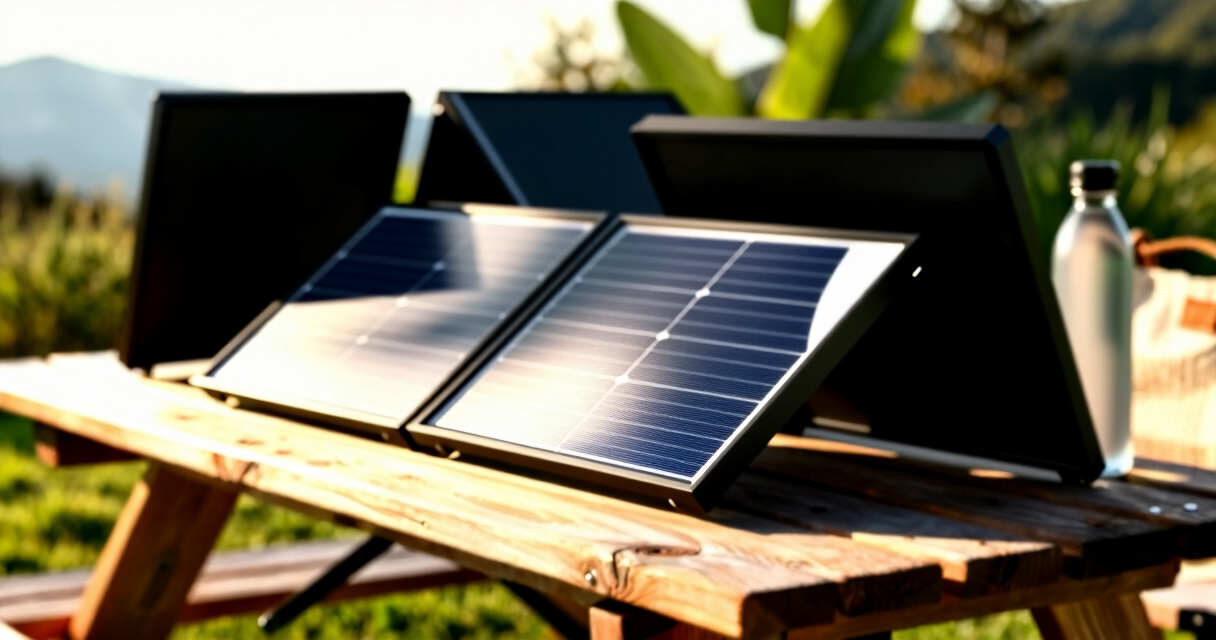

Portable solar panels offer a flexible way to generate clean energy wherever you go, whether camping, RVing, or off-grid living. The best models combine high efficiency, durability, and portability, but they often involve tradeoffs between size, weight, and power output. For example, a larger panel may produce more power but be harder to carry, while a compact option may be simpler to transport but less powerful. Choosing the right panel depends on your specific needs, budget, and use case. Continue reading for a detailed breakdown of the top options in 2026 and what to consider before buying.
Key Takeaways
- The top-ranked panels balance high wattage with portability, making them suitable for a variety of outdoor uses.
- Waterproofing and durability are critical for off-grid and outdoor environments, often dictating long-term reliability.
- Foldable designs tend to offer the best combination of compactness and ease of setup, but they can vary in build quality.
- Compatibility with power stations and batteries is essential—choosing panels with the right connectors ensures seamless integration.
- Price varies widely, with premium panels offering higher efficiency and build quality, but budget options often suffice for casual use.


More Details on Our Top Picks
Renogy 400W Portable Foldable Solar Panel Suitcase for RV Camping and Off-Grid Power
This 400W foldable suitcase from Renogy stands out for its high power output and rugged design, making it an excellent choice for serious outdoor enthusiasts. Compared with the smaller, lighter 200W Portable Solar Panel for Power Station, it offers nearly double the energy, ideal for powering larger appliances or multiple devices. Its weatherproof construction with IP67/IP68 ratings ensures reliable operation in rain or hail, though its weight of over 30 pounds can be cumbersome for backpackers. The quick setup in just 60 seconds and monocrystalline efficiency of 23% mean dependable performance even in less-than-ideal conditions. However, the panel’s weight limits its portability for solo hikers or those needing ultra-light gear. This pick makes the most sense for RV owners or campers prioritizing capacity and durability over ultra-lightweight design.
Pros:- Very high power output suitable for large devices
- Durable, waterproof, hail-resistant construction
- Quick, tool-free setup in 60 seconds
Cons:- Relatively heavy for frequent portage
- Limited to 400W capacity, less flexible for small setups
Best for: RV travelers and off-grid campers seeking high wattage and rugged durability
Not ideal for: Hikers or backpackers who need a lightweight, ultra-portable solar solution
- Power:400W
- Weight:30.2 lbs
- Dimensions:33.7″ x 27.95″ (folded)
- Efficiency:23%
- Waterproof Rating:IP67/IP68
- Material:Fiberglass, ETFE coating
- Warranty:3 years
Bottom line: This panel is best for those who need reliable, high-capacity power in rugged outdoor settings, not for ultralight travelers.
200W Portable Solar Panel for Power Station, Foldable ETFE Charger with USB-C and QC3.0 Ports
This 200W panel balances efficiency and portability, making it ideal for campers and emergency kits. Its 24% conversion rate surpasses many older models, such as the Renogy 200W Foldable Solar Charger, providing reliable energy in variable sunlight. The lightweight design at just 15.7 pounds and foldable size of 23 x 22 inches make it easy to pack and carry. Multiple charging ports including USB-C and QC3.0 offer versatility for smartphones, tablets, and small appliances. Nevertheless, it requires direct sunlight for best results and maxes out at 200W, limiting its suitability for high-power needs. Its foldable case demands careful handling to prevent damage. This panel is perfect for users needing a portable, multi-device charger for camping or backup power, not for high-wattage applications.
Pros:- High efficiency with 24% conversion rate
- Lightweight and easy to carry
- Multiple fast-charging ports for various devices
Cons:- Limited to 200W output, not suitable for high-power devices
- Requires direct sunlight, less effective in shade
Best for: Campers and emergency preparedness enthusiasts needing versatile portable charging
Not ideal for: Users aiming to power large appliances or high-demand equipment
- Power Output:200W
- Conversion Rate:24%
- Panel Type:Monocrystalline
- Material:ETFE laminated case
- Waterproof Rating:IP65
- Weight:15.7 lbs
- Folded Size:23 x 22 inches
- Ports:Type-C (60W), QC3.0 (18W), USB (5V/3A)
Bottom line: Ideal for portable device charging on the go, but not a solution for high-wattage power needs.
450W Portable Foldable Solar Panel with N-Type Monocrystalline Cells, IP68 Waterproof, Compatible with EcoFlow Delta, Anker C1000, Jackery, Bluetti
This 450W panel is designed for serious power users, featuring N-Type monocrystalline cells with 25% efficiency, making it suitable for large-capacity stations such as EcoFlow Delta or Bluetti. Its lightweight design at 29.5 pounds combined with high durability and IP68 waterproofing ensures it can withstand tough outdoor conditions. The 16-busbar cell design maximizes energy collection, especially in bright sunlight. While it pairs well with large power stations, its higher weight and size limit portability for casual users or those with small setups. Additionally, it’s less ideal for shaded environments or those who need only basic portable power. This model is best for established users with compatible high-capacity power stations who need a reliable, high-efficiency panel for off-grid or emergency use.
Pros:- High efficiency with 25% power output
- Compatible with major large-capacity power stations
- IP68 waterproof, built for rugged outdoor use
Cons:- Heavy at nearly 30 pounds, less portable
- Limited compatibility with small or low-voltage units
Best for: Power station owners needing a high-capacity, durable solar panel for off-grid or emergency use
Not ideal for: Lightweight hikers or casual campers with small or low-voltage power needs
- Power:450W
- Voltage:38V
- Open-Circuit Voltage:45.9V
- Weight:29.5 lbs
- Waterproof Rating:IP68
- Cell Technology:N-Type monocrystalline
- Busbar Design:16-busbar
- Warranty:36 months
Bottom line: Best suited for users with high-capacity power stations seeking a durable, efficient solar panel for demanding outdoor applications.
EF ECOFLOW 220W Portable Bifacial Solar Panel with Adjustable Kickstand, IP68 Waterproof, Foldable Design
This 220W bifacial panel from EF ECOFLOW offers a significant boost in energy capture thanks to its dual-sided design and 25% efficiency. Its foldable, lightweight frame at 15.4 pounds makes it highly portable, suitable for camping, RVing, and outdoor adventures. The adjustable kickstand allows users to optimize angles for maximum sunlight absorption, outperforming traditional single-sided panels in ideal conditions. Its IP68 waterproof rating ensures durability in harsh weather. However, its higher price point and reliance on compatible EcoFlow power stations can be limiting for budget-conscious or non-ecoFlow users. Also, performance varies in low-light or shaded conditions, which could impact reliability. This panel is best for those who want cutting-edge bifacial tech with excellent portability and are already invested in EcoFlow ecosystems.
Pros:- High-efficiency bifacial technology with up to 25%
- Lightweight and foldable for easy transport
- Adjustable kickstand for optimal sunlight capture
Cons:- Higher cost compared to standard panels
- Performance depends on sunlight angle and conditions
Best for: EcoFlow ecosystem users seeking a high-efficiency, portable bifacial solar option
Not ideal for: Budget-conscious consumers or those using non-compatible power stations
- Power:220W
- Efficiency:25%
- Design:Bifacial, foldable
- Material:ETFE coating
- Waterproof Rating:IP68
- Weight:15.4 lbs
- Adjustable Angle:30-60°
Bottom line: Ideal for EcoFlow users wanting a portable, high-efficiency bifacial panel with adjustable setup options, not for those on a tight budget.
EBL 200W Portable Solar Panel for Power Station, Waterproof IP65 Foldable Solar Panel with MC-4 Anderson Output Connector for RV, Camping
This 200W foldable solar panel from EBL stands out for its high efficiency of 23.5%, which can outperform some competitors like the Renogy 200W with its slightly lower conversion rate. Its waterproof IP65 rating and durable build make it suitable for a variety of outdoor conditions, yet at 17.95 lbs, it’s heavier than the Renogy model, potentially limiting portability for some users. The foldable design facilitates transport, but proper setup is necessary to achieve maximum efficiency. While it offers broad compatibility with most solar generators, its size when unfolded may restrict use in tight spaces. Compared to lighter options like Renogy, this panel’s robustness makes it better suited to users prioritizing durability over ultra-lightweight design.
Pros:- High efficiency with up to 23.5% conversion rate
- Waterproof and durable construction suitable for harsh weather
- Compatible with most solar generators and portable power stations
- Foldable design for relatively easy transport
Cons:- Relatively heavy at 17.95 lbs, which may be cumbersome for some users
- Requires proper setup to optimize energy capture
- Unfolded size may be restrictive in limited spaces
Best for: Outdoor enthusiasts who need a durable, high-efficiency panel for camping, RV trips, or backup power in rugged conditions
Not ideal for: Hikers or backpackers seeking the lightest, most portable solar solution, due to its weight and size
- Power:200W
- Cell Type:Monocrystalline silicon
- Conversion Rate:23.5%
- Waterproof Rating:IP65
- Folded Size:25.31×20.87×2.17 inches
- Unfolded Size:94.17×20.83×0.25 inches
Bottom line: This panel is ideal for outdoor adventurers who value durability and efficiency over ultra-light portability.
Renogy 200W Portable Solar Panel, IP65 Waterproof Foldable Solar Charger for RV, Camping, Off-Grid Power Backup
The Renogy 200W panel is distinguished by its 25% efficiency, the highest among this group, thanks to upgraded N-Type cells which provide faster and more reliable power, especially compared to the EF ECOFLOW 400W with a lower 22.4% conversion rate. Its lightweight design at just 13.89 lbs makes it significantly easier to carry and deploy, ideal for users who prioritize mobility. The magnetic closures and adjustable kickstands simplify setup, even in rugged outdoor scenarios. However, its price is higher than basic models, and it requires direct sunlight to deliver peak performance. While it’s less powerful than the EcoFlow 400W, its combination of efficiency and portability makes it suitable for campers and off-grid users who need dependable, multi-device charging options without excessive weight.
Pros:- Highest efficiency at 25%, ensuring faster charging
- Lightweight and easy to carry at 13.89 lbs
- Multiple device charging ports including USB-C PD
- Durable IP65 waterproof rating
Cons:- Higher price point compared to simpler models
- Requires sunlight for best performance
- Limited to 200W capacity, not suited for high power demands
Best for: Campers, RV travelers, and off-grid users seeking a balance of high efficiency and lightweight portability
Not ideal for: Heavy-duty users needing maximum power output or those on a strict budget, as it costs more than entry-level options
- Power:200W
- Efficiency:25%
- Weight:13.89 lbs
- Dimensions:Folded: 23.72 x 22.99 x 1.97 in
- Ports:1 USB-C PD (45W), 2 USB-A (18W & 15W), MC4 output
- Waterproof Rating:IP65
Bottom line: This panel makes the most sense for users who need high efficiency and portability without sacrificing durability or versatility.
EF ECOFLOW 400W Portable Solar Panel, Foldable & Waterproof IP68
The EcoFlow 400W panel is unmatched in power, offering double the wattage of the other options, making it ideal for users who require substantial energy in outdoor settings. Its 22.4% conversion rate provides efficient energy capture, although slightly lower than the Renogy 25%. The IP68 waterproof rating and rugged construction ensure it withstands harsh weather, yet the junction box and connection points are not fully waterproof, which could be a concern in extreme conditions. Its 35.3 lbs weight makes it less portable than smaller panels like the Renogy, but for those with a dedicated setup or vehicle-based use, this is less of an issue. This panel pairs best with EcoFlow power stations but may be overkill for casual camping or short trips.
Pros:- High power output of 400W for demanding applications
- IP68 waterproof rating offers excellent weather resistance
- Foldable and relatively portable for its capacity
- High energy conversion efficiency at 22.4%
Cons:- Connection points are not fully waterproof, risking exposure issues
- Heavy at over 35 lbs, less suited for hiking or backpacking
- Designed mainly for pairing with EcoFlow power stations, limiting versatility
Best for: Power users or outdoor professionals needing high wattage and weatherproof reliability, especially when paired with EcoFlow stations
Not ideal for: Hikers or backpackers seeking ultra-lightweight solutions, due to its weight and size
- Power Output:400W
- Waterproof Rating:IP68
- Material:Flexible EVA and fibreglass
- Cell Type:Monocrystalline
- Conversion Rate:22.4%
- Weight:16kg (35.3 lbs)
Bottom line: This panel is best suited for serious outdoor setups where high power and durability are prioritized over portability.
16BB 220W Portable Solar Panel for Power Stations, IP68 Waterproof Foldable ETFE High Efficiency for Camping and RV
This 220W panel combines high efficiency, with up to 25% conversion, and robust waterproofing with IP68 rating, making it a strong contender for campers and RV travelers needing reliable outdoor power. Its ETFE coating adds durability against UV and weather, while its foldable design with a magnetic handle simplifies transport. Compared to the EcoFlow 400W, this panel offers slightly less power but is more portable and lighter at 17.08 pounds. Its multiple connectors, including MC-4 and XT60, enhance compatibility, but the weight can be a drawback for long hikes. Additionally, maximum input might be limited for the most demanding portable power stations, but for most camping scenarios, it strikes a good balance between efficiency and portability.
Pros:- High efficiency with up to 25% conversion rate
- IP68 waterproof and dustproof for extreme durability
- Foldable with magnetic handle for easy transport
- Compatible with most portable power stations
Cons:- Heavy for long-distance hiking or backpacking
- Maximum power input may be limited for some high-capacity stations
- Size may be less convenient for very tight spaces
Best for: Camping, RV trips, and outdoor users who want high efficiency in a portable, weatherproof package
Not ideal for: Backpackers or hikers needing ultralight gear, due to its weight and size
- Power:220W
- Material:ETFE coating
- Efficiency:Up to 25%
- Waterproof:IP68
- Folded Dimensions:23 x 22.24 inches
- Connector Types:MC-4, XT60, DC5521, DC7909, Anderson
Bottom line: This panel suits outdoor enthusiasts who prioritize durability, high efficiency, and weatherproofing in a portable design.

How We Picked
These products were selected based on their performance, usability, build quality, and value for outdoor and off-grid applications. Priority was given to panels that are genuinely portable, meaning lightweight, foldable, and easy to carry, while still delivering sufficient power. Durability and waterproof ratings were key, especially for outdoor use in unpredictable weather. We also considered compatibility with popular power stations and ease of setup, ensuring each panel offers a practical solution for different user needs. The ranking reflects a balance between power output, portability, and cost-effectiveness, aiming to help buyers find the best fit for their specific scenarios.Factors to Consider When Choosing Portable Solar Panels
Choosing the right portable solar panel involves understanding several key factors that impact performance and usability. While specifications like wattage and size matter, broader considerations such as durability and compatibility can make or break your experience. Being aware of common pitfalls—like buying a panel that’s too bulky or not weatherproof—can save you time and money. Here are the most important factors to weigh before making a purchase.Power Output and Size
Wattage determines how quickly your panel can charge devices or power stations. Higher wattage panels are ideal if you need rapid charging or plan to run multiple devices, but they tend to be larger and heavier. Consider your typical use case—if portability is a priority, a slightly lower wattage panel might be easier to carry but still meet your needs. Balance power needs with size constraints to find a panel that fits your outdoor setup without becoming a burden.
Portability and Design
Foldable panels are the most common for portability, allowing you to fold them into a compact size for transport. Look for panels with sturdy handles and lightweight materials, especially if you’ll be carrying them over long distances or in rugged environments. Some designs include built-in kickstands or adjustable angles, which can improve efficiency but may add complexity or weight. Weigh the convenience of setup against the panel’s weight and bulk to match your mobility needs.
Durability and Weather Resistance
Outdoor use demands panels that can withstand the elements. Waterproof ratings like IP65 or IP68 indicate good protection against rain, splashes, and dust. Panels with rugged frames and reinforced edges are less prone to damage during transport or use in rough conditions. Remember, a durable panel may cost more but can significantly extend its lifespan, especially if you plan to use it regularly in unpredictable weather.
Compatibility and Connectors
Ensure the panel’s connectors match your power station, battery, or device inputs. Many panels feature MC4 connectors, but adapters or integrated USB outputs vary. Panels that are compatible with common brands like EcoFlow, Jackery, or Bluetti simplify setup and reduce the need for additional adapters. Compatibility also affects your ability to expand or upgrade your solar setup in the future.
Price and Value
Prices vary based on wattage, build quality, and features. While premium panels with higher efficiency and waterproofing tend to cost more, they often deliver better long-term value. Budget options may suffice for occasional use or light charging needs but might lack durability or power. Consider your budget carefully and prioritize features that align with your most frequent use cases to avoid overpaying for features you won’t need.
Frequently Asked Questions
How do I know if a portable solar panel is powerful enough for my needs?
Start by calculating your daily energy consumption and match it against the panel’s wattage and estimated daily output. Higher wattage panels will charge batteries or power stations faster, but they are also larger and heavier. For light camping with small devices, a 100-200W panel may suffice, while off-grid living or RV use might require 300W or more. Always check the compatibility with your power sources and consider future expansion possibilities.
Are foldable solar panels durable enough for outdoor use?
Most foldable panels are designed for outdoor environments and come with waterproof ratings like IP65 or IP68, indicating protection against rain and dust. However, durability varies by build quality—panels with sturdy frames, reinforced hinges, and high-quality materials tend to withstand rough handling and weather better. Investing in a well-reviewed, rugged design can prevent damage over time and ensure consistent performance in outdoor settings.
Can I use portable solar panels in cloudy or rainy weather?
Yes, but with reduced efficiency. Solar panels still generate power in cloudy conditions, though at a lower rate—typically 10-25% of their peak output depending on cloud density. Rainy weather can also be workable if the panels are waterproof, but expect longer charging times. It’s wise to have a larger panel or battery storage capacity to compensate for less sunlight during overcast days.
What should I look for in a portable solar panel for RV use?
For RV applications, prioritize panels with high wattage, durable waterproofing, and compatible connectors for your power station or battery system. Foldable or semi-rigid designs that are easy to mount or store are beneficial. Also, check for features like adjustable kickstands or tiltable frames to optimize sun exposure and maximize efficiency during travel and stationary use.
Is it worth paying more for a higher efficiency solar panel?
Higher efficiency panels convert more sunlight into usable power within the same size footprint, which can be especially valuable for limited space or portability. While they generally cost more upfront, the increased energy output can reduce charging times and improve overall system performance. Consider your specific needs—if space and weight are constraints, investing in higher efficiency may offer better long-term value and reliability.
Conclusion
For most outdoor enthusiasts and off-grid users, the Renogy 400W Portable Foldable Solar Panel stands out as the best overall choice due to its balance of power, durability, and portability. The EF ECOFLOW 220W Foldable Panel offers excellent waterproofing and versatility, making it a great pick for varied weather conditions. Budget-conscious buyers will find the EBL 200W Panel provides solid performance without breaking the bank. For those seeking premium features and maximum efficiency, the EF ECOFLOW 400W Panel offers top-tier build quality and high wattage. Beginners should focus on panels with simple setup and good durability, while advanced users may prioritize high power output and expandability. Your ideal choice will depend on your specific use case, budget, and portability needs.