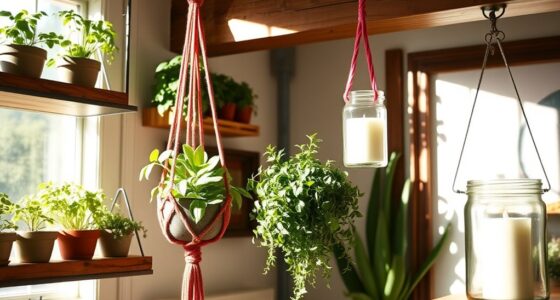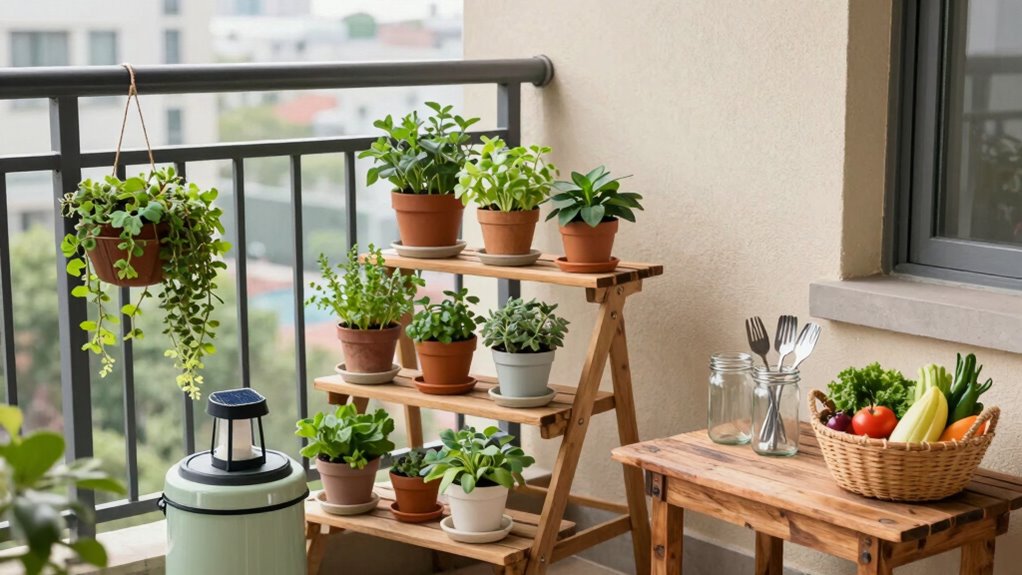

Living sustainably in small spaces means being mindful of your energy, water, and waste. You can grow herbs and veggies on your balcony or windowsill, reducing your carbon footprint. Use reusable containers, compost kitchen scraps, and choose eco-friendly products to minimize waste. Save energy by utilizing natural light and energy-efficient bulbs. Small adjustments, like fixing leaks and collecting rainwater, make a big impact. If you explore more, you’ll discover even more ways to make your space eco-friendly and vibrant.

Prime made for students and young adults
- Fast, free delivery for dorm and study essentials
- Prime Video and Amazon Music included
- Member-only deals
Key Takeaways
- Embracing compact living reduces environmental impact and encourages eco-friendly habits like urban gardening and resource conservation.
- Growing herbs and small plants supports biodiversity and creates sustainable, local food sources in limited spaces.
- Practicing zero waste through composting, reusable products, and mindful shopping minimizes landfill waste.
- Implementing energy-efficient lighting, natural light, and water-saving fixtures conserves resources effectively.
- Cultivating a mindful, intentional lifestyle promotes sustainable choices and community-wide eco-conscious practices.
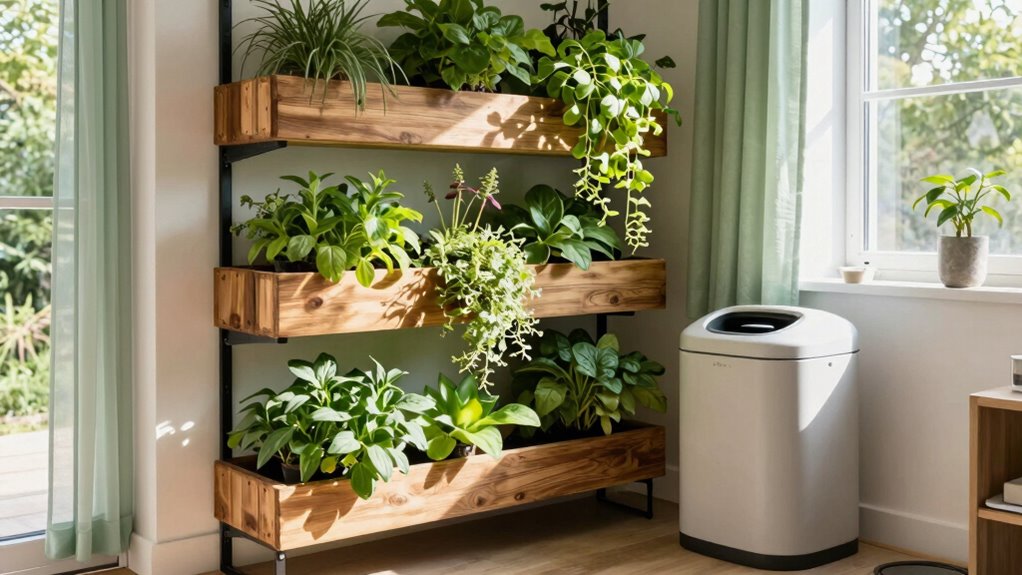
Living sustainably doesn’t require a large home; in fact, small spaces offer unique opportunities to reduce your environmental impact. When you live in a compact area, every choice matters more, and you can easily adopt eco-friendly habits that make a difference. One of the most effective ways to do this is through urban gardening. Even with limited space, you can grow herbs, vegetables, or small fruit plants on windowsills, balconies, or rooftop gardens. Urban gardening not only cuts down on the environmental costs of store-bought produce, but it also provides fresh ingredients right at your fingertips. Plus, tending to plants can be a calming, rewarding activity that encourages you to stay mindful of your resource use. Incorporating biodiversity into your small-space garden can further support local ecosystems and promote conservation efforts. Creating diverse plantings can attract beneficial insects and pollinators, enhancing the health of your garden and the surrounding environment.
In small spaces, implementing zero waste tips becomes straightforward and impactful. You can start by reducing plastic consumption—using reusable bags, containers, and beeswax wraps for food storage. Composting scraps from your kitchen is another zero waste tip that works well in tight quarters, especially if you have a balcony or small outdoor area. Composting not only minimizes waste sent to landfills but also creates rich soil for your urban garden, completing a sustainable cycle. When shopping, choose bulk items to cut down on packaging, and opt for eco-friendly, biodegradable cleaning supplies to avoid plastic waste. Small spaces lend themselves to meticulous organization, so you can keep waste to a minimum and make conscious decisions about what you consume. Being intentional about your purchases can also inspire others in your community to adopt similar eco-friendly habits. Additionally, understanding indoor air quality and ventilation benefits can help improve your living environment and support overall health. Living sustainably also involves energy efficiency, which small spaces naturally promote. You can install energy-saving LED bulbs, use smart power strips, and maximize natural light to reduce electricity use. These small adjustments add up over time. Additionally, water conservation is easier in small apartments—fixing leaks promptly, installing low-flow fixtures, and collecting rainwater for plants are simple yet effective practices. Living sustainably in small spaces isn’t solely about reducing waste or conserving energy—it’s about cultivating a mindset of intentional living. Every purchase, every habit, and every effort to reuse or recycle becomes part of your lifestyle. Embracing sustainable habits can inspire others around you to follow suit and contribute to larger environmental efforts.
As an affiliate, we earn on qualifying purchases.
Frequently Asked Questions
How Can I Maximize Natural Light in Small Spaces?
To maximize natural light in small spaces, choose light-colored window treatments that reflect sunlight rather than block it. Keep windows unobstructed and opt for sheer curtains or blinds that can be easily adjusted. Incorporate light reflective surfaces like mirrors, glossy tiles, or metallic accents to bounce light around the room. These strategies brighten your space naturally, reducing the need for artificial lighting and supporting sustainable living.
What Are Affordable Eco-Friendly Materials for Small Renovations?
Sustainable, stylish, and surprisingly simple, you can start with recycled countertops and bamboo flooring. These affordable eco-friendly materials cut costs while conserving resources. Recycled countertops reuse existing materials, reducing waste, while bamboo flooring offers a fast-growing, renewable resource that’s durable and beautiful. By choosing these budget-friendly options, you create a cozy, conscious space that’s both eco-friendly and inviting, proving small spaces can make a big, positive impact.
How Do I Manage Waste Sustainably in Tiny Homes?
You can manage waste sustainably in tiny homes by adopting effective recycling practices and composting methods. Sort recyclable materials like plastics, metals, and paper regularly, making it easy to reduce landfill waste. Set up a compost bin for food scraps and organic waste, which not only minimizes waste but also enriches your small garden. Staying consistent with these practices helps you live sustainably while making the most of limited space.
Can Small Spaces Support Urban Gardening Effectively?
Yes, small spaces can support urban gardening effectively through vertical gardening and container planting. You can maximize limited space by stacking planters or using wall-mounted gardens, allowing you to grow herbs, vegetables, or flowers. Container planting lets you customize your garden, moving pots for ideal sunlight. These methods make it easy to enjoy fresh produce and greenery, promoting sustainable living even in compact urban environments.
What Are Low-Energy Appliances Suitable for Small Living Areas?
You can choose compact appliances and energy-efficient lighting to minimize your energy use in small spaces. Look for sleek, space-saving devices like mini refrigerators, combined washer-dryers, or slim dishwashers that fit comfortably without crowding. Pair these with LED or other energy-efficient lighting options that shine brightly while saving energy. This simple switch not only sustains your space but also markedly slashes your energy bills, supporting sustainable living seamlessly.
energy-efficient LED light bulbs for small spaces
As an affiliate, we earn on qualifying purchases.
As an affiliate, we earn on qualifying purchases.
Conclusion
So, here’s the irony: living sustainably in a tiny space might actually make you feel bigger—bigger in impact, that is. With just a few clever habits, you’ll reduce waste, save energy, and maybe even find more room for your passions. Who knew that shrinking your footprint could make you feel so expansive? Turns out, small spaces aren’t just cozy—they’re a surprisingly powerful way to live big on sustainability. Now, go ahead—think big, live tiny!
As an affiliate, we earn on qualifying purchases.
small rainwater collection barrel
As an affiliate, we earn on qualifying purchases.
As an affiliate, we earn on qualifying purchases.
Fall Picks
fall essentials
As an affiliate, we earn on qualifying purchases.