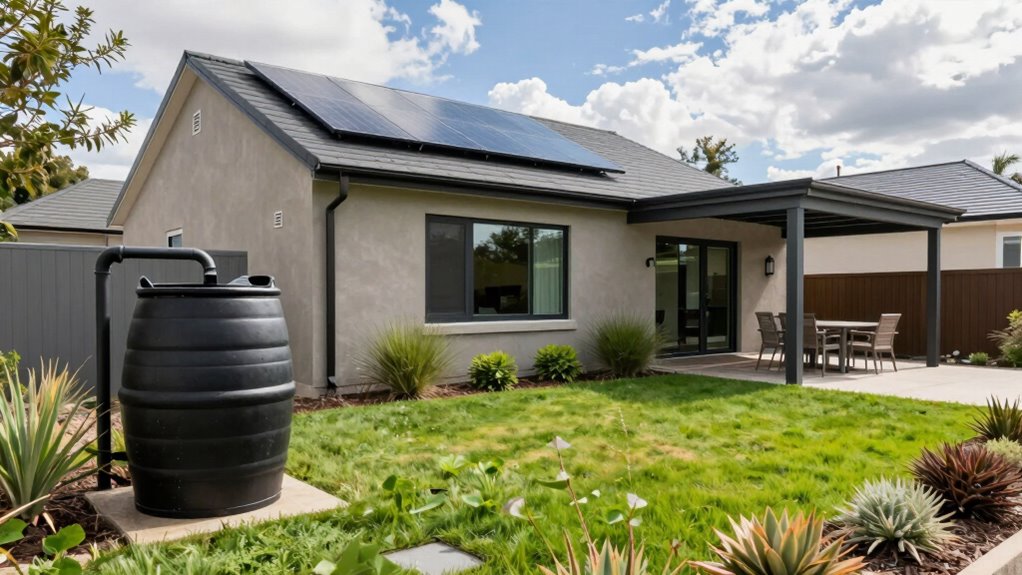

Climate adaptation for homeowners means taking proactive steps to protect your home from extreme weather, heat, and flooding. You can do this by planting trees, adding shading features, and installing cool or reflective roofs to lower indoor temperatures. Improving your home’s insulation, maintaining drainage, and elevating structures reduce flood risks. Being aware of local climate risks helps you make smart choices. If you keep exploring, you’ll discover more ways to make your home resilient and comfortable.

Prime made for students and young adults
- Fast, free delivery for dorm and study essentials
- Prime Video and Amazon Music included
- Member-only deals
Key Takeaways
- Implement shading, cool roofs, and planting trees to reduce indoor temperatures and mitigate urban heat effects.
- Incorporate green infrastructure like rain gardens and permeable paving to manage stormwater and prevent flooding.
- Elevate homes and install barriers in flood-prone areas to enhance flood resilience.
- Use climate data to inform home upgrades and emergency planning tailored to local risks.
- Upgrade insulation, windows, and energy systems to improve home comfort and climate adaptability.
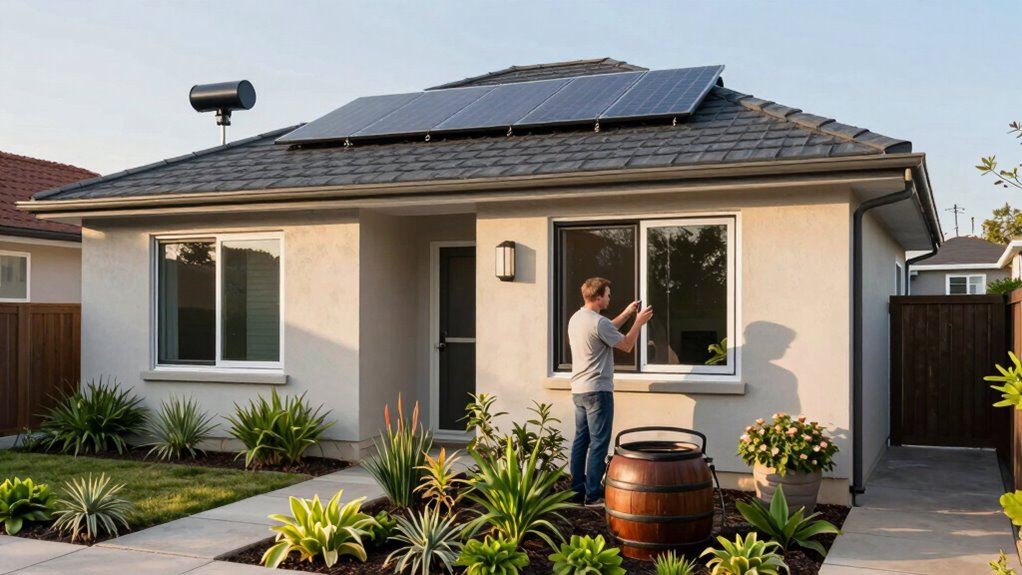
Are you prepared to face the impacts of climate change on your home? As temperatures rise and weather patterns become more unpredictable, understanding what climate adaptation means for homeowners is essential. One of the most immediate challenges you’ll encounter is urban heat. Cities tend to trap heat more than rural areas because of concrete, asphalt, and limited green spaces, leading to higher temperatures — sometimes several degrees hotter than surrounding areas. This urban heat can make your home uncomfortable, increase energy bills, and even shorten the lifespan of your appliances. To adapt, you might consider adding shading features like awnings, planting trees strategically around your property, or installing cool roofs that reflect sunlight rather than absorb it. These measures can substantially reduce indoor temperatures, improve comfort, and lower cooling costs. Incorporating green infrastructure such as permeable pavements and rain gardens further enhances resilience by managing stormwater and reducing heat absorption.
Urban heat increases home discomfort and energy costs; add shading, trees, or cool roofs to stay cooler and save money.
Flood resilience is another critical aspect of climate adaptation. As heavy rains become more frequent and intense, your home’s vulnerability to flooding increases, posing risks to your safety and property. To bolster flood resilience, you should evaluate your property’s elevation, drainage systems, and barriers. Installing sump pumps, sealing basement cracks, and ensuring proper gutter maintenance can help divert water away from your foundation. Additionally, landscaping with rain gardens or permeable paving allows water to soak into the ground rather than overwhelm drainage systems. If you live in a high-risk flood zone, elevating your home or installing flood barriers might be necessary. These adaptations not only protect your property but also lessen the emotional and financial toll of flood damage. Recognizing the importance of climate data helps homeowners make more informed decisions about necessary adaptations based on local risks. Being aware of local climate risks enables better planning and targeted resilience measures.
Climate adaptation isn’t solely about making physical modifications; it’s also about proactive planning. Understanding your local climate risks, such as urban heat or flood zones, lets you prioritize investments that maximize protection and comfort. Insulating your home properly, upgrading windows, and installing energy-efficient systems can help you manage temperature fluctuations better. Meanwhile, creating an emergency plan for floods or heatwaves ensures you’re prepared when extreme weather strikes. By integrating these strategies into your home maintenance routine, you’re not just reacting to climate change; you’re actively reducing its impact on your daily life.
Ultimately, climate adaptation for homeowners involves a combination of smart design, infrastructure improvements, and planning. As you face rising temperatures and changing weather patterns, these measures will help you maintain a safe, comfortable, and resilient home. Staying informed about local risks and being proactive in implementing adaptations will empower you to navigate the evolving climate landscape confidently.
As an affiliate, we earn on qualifying purchases.
Frequently Asked Questions
How Do I Assess My Home’s Climate Vulnerability?
To assess your home’s climate vulnerability, start by evaluating your storm preparedness and flood risk. Check local weather reports and flood maps to identify flood-prone areas. Inspect your property for weak points like poor drainage or damaged roofs that could be affected by storms. Consider consulting with experts to conduct a thorough assessment. Taking these steps helps you understand risks and implement effective climate adaptation strategies to protect your home.
What Are the Costs of Climate Adaptation Measures?
Think of climate adaptation costs as planting seeds for your home’s future resilience. These expenses vary widely, from simple upgrades to extensive renovations. You can start with cost estimation to understand what’s needed and explore funding options like grants or loans to ease the financial burden. Investing now might feel like a leap, but it’s a shield against future storms, safeguarding your home and peace of mind.
How Can I Find Local Climate Adaptation Resources?
You can find local climate adaptation resources by engaging with your community through workshops, town hall meetings, or local government websites. Look for organizations promoting resilience and sustainability, as they often share innovative technologies and strategies tailored for your area. Additionally, contacting local environmental agencies or climate-focused groups can connect you with expert advice and tools, making it easier to implement effective adaptation measures in your home and neighborhood.
Are Government Incentives Available for Climate-Resilient Upgrades?
Yes, government grants and incentive programs are available for climate-resilient upgrades. You can explore federal, state, or local initiatives that offer financial support for improvements like stormproofing, energy efficiency, or flood defenses. These programs aim to make your home more adaptable to climate impacts. Check official government websites or contact local agencies to find specific grants and incentives available in your area, helping you invest in climate resilience affordably.
How Does Climate Adaptation Impact Home Insurance Policies?
It’s a game changer. Climate adaptation can lead to lower insurance premiums as your home becomes more resilient, reducing risk for insurers. However, it may also prompt coverage adjustments, where policies are tailored to address climate-related threats like flooding or storms. You could see premiums fluctuate based on your upgrades, but taking proactive steps often signals responsibility, potentially saving you money and ensuring you’re better protected when nature strikes.
As an affiliate, we earn on qualifying purchases.
Conclusion
By embracing climate adaptation, you’re not just safeguarding your space but strengthening your sanctuary. Small steps, like securing your structure and staying savvy about storms, can make a significant difference. Remember, proactive planning protects your peace, property, and pocket. So, stay smart, stay steadfast, and let your home be a resilient refuge amid rising risks. With wise, well-worn ways, you’ll weather weather’s whims and welcome a warmer, more prepared world.
As an affiliate, we earn on qualifying purchases.
energy-efficient insulation for homes
As an affiliate, we earn on qualifying purchases.
As an affiliate, we earn on qualifying purchases.
Halloween Picks
halloween
As an affiliate, we earn on qualifying purchases.