
To find great secondhand items, plan your visits with specific styles or items in mind and focus on targeted sections. Check seams, fabric, and labels for quality and authenticity, and try on clothes for fit and comfort. Be patient and open-minded, as hidden gems often require careful inspection and a bit of luck. Bring a list, some basic sewing supplies, and positive energy—if you stay persistent, you’ll uncover fantastic finds waiting just for you.
Key Takeaways
- Plan ahead with a specific list of desired items and styles to save time and stay focused.
- Check seams, fabric quality, and labels to ensure authenticity and durability of vintage pieces.
- Try on clothes, assess fit, and inspect for stains or damages before buying.
- Be patient, open-minded, and ready to explore hidden corners for unique and valuable finds.
- Bring necessary tools, negotiate prices, and maintain positive energy to enhance your thrift shopping experience.

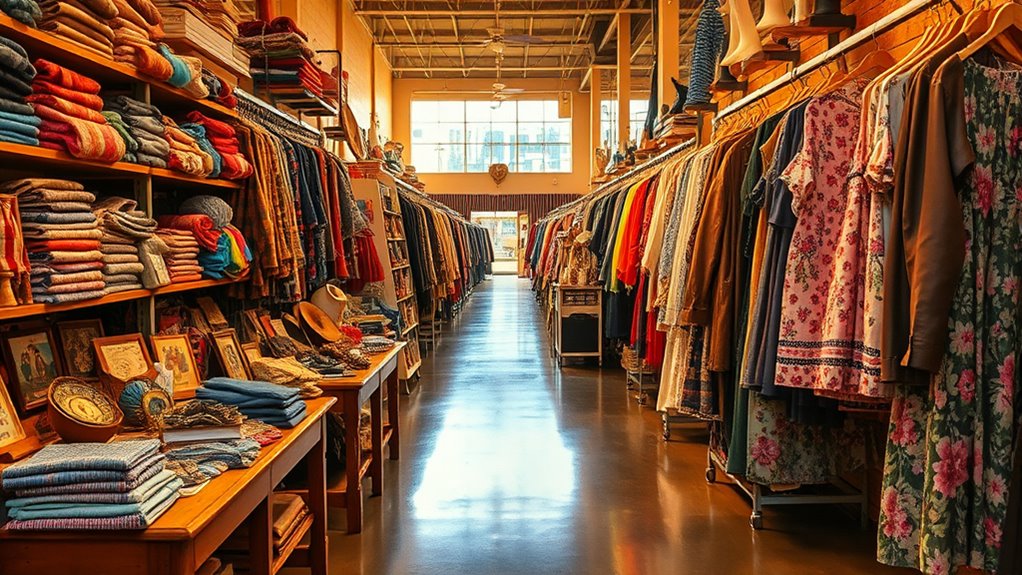
Have you ever wondered how to find stylish, affordable clothes while helping the environment? Thrift shopping is a fantastic way to do just that, especially if you’re into vintage fashion. When you step into a thrift store, you’re not just hunting for clothes; you’re uncovering unique pieces that tell a story. The key to success is knowing a few thrift store tips that’ll make your search efficient and rewarding. First, approach thrift stores with a plan. Instead of wandering aimlessly, identify what styles or pieces you want—whether it’s vintage jeans, retro jackets, or statement accessories. This focus saves time and prevents you from feeling overwhelmed by the sheer amount of items available.
Next, it helps to know how to spot quality. Look for sturdy seams, intact zippers, and fabric that feels durable. Vintage fashion often features quality craftsmanship that isn’t always found in fast fashion. Pay attention to labels and fabric content—natural fibers like wool, cotton, and linen tend to age better and last longer. When trying on clothes, move around in them to check for comfort and fit. Remember, thrift store sizes can differ from brand to brand, so don’t rely solely on tags. Instead, focus on how the clothes look and feel on your body.
Spot quality by checking seams, zippers, and fabric; prioritize natural fibers for durability and longevity.
Another thrift store tip is to be patient and open-minded. Sometimes, the best finds are hidden in unlikely places or tucked away in obscure corners. Keep an eye out for unique details—embroidery, interesting buttons, or unusual prints—that add character to your wardrobe. When it comes to vintage fashion, authenticity counts. Check for tags or labels that indicate the era or brand, but don’t dismiss pieces that are unmarked—they might just be rare treasures. If you don’t find what you’re looking for immediately, stay persistent. Regular visits increase your chances of discovering new arrivals and hidden gems.
Organizing your shopping trip can also boost your success. Bring a list of items you need, but stay flexible. Sometimes, the most unexpected pieces turn out to be your favorites. Additionally, bring a reusable bag and some basic sewing supplies—mends and alterations are often necessary with thrifted clothes. Finally, check for stains, tears, or strong odors, and be ready to negotiate prices when appropriate. Being familiar with sound vibrations and their effects can also help you tune into the positive energy of your finds, making the shopping experience more enjoyable. With these thrift store tips and a keen eye for vintage fashion, you’ll develop a sharper sense of value and style. Thrift shopping isn’t just about saving money; it’s about creating a wardrobe filled with one-of-a-kind pieces that reflect your personality while supporting sustainable fashion practices.

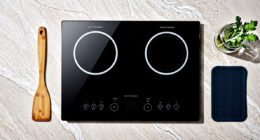
ChangBERT Induction Cooktop NSF Certified Professional Chef Edition Stove, 1800W Commericial Induction Burner with Schott Glass, Large Heating Coil Electric Hot Plate for Restaurant Hotel Food Station
HIGH EFFICIENCY AND NO HOT KITCHEN. Induction technology delivers energy directly to the cookware—with 83% energy efficiency rating,...
As an affiliate, we earn on qualifying purchases.
Frequently Asked Questions
How Do I Determine the Quality of Secondhand Items?
You determine the quality of secondhand items by inspecting the fabric for signs of wear, tears, or fading, which indicates durability. Check the seam quality—look for tight, even stitches without loose threads or gaps. Feel the fabric to make certain it’s not thinning or overly worn. By paying attention to these details, you can confidently select high-quality secondhand pieces that will last longer and look great.
What Are the Best Days to Visit Thrift Stores for Deals?
You should visit thrift stores on weekdays, especially Tuesdays or Wednesdays, to catch the best deals. These days often feature weekday discounts, making items more affordable. Keep an eye out for seasonal sales, which happen periodically and can offer significant savings. Shopping during these times means fewer crowds, better selection, and the chance to snag high-quality items at lower prices.
How Can I Identify Authentic Brand-Name Thrift Items?
To identify authentic brand-name thrift items, you need to check for signs of brand authenticity and practice counterfeit detection. Look closely at logos, stitching, and labels for inconsistencies or misspellings. Compare the item to official images online, and feel the quality of materials—genuine items usually feel more durable. Research specific brand markings, and use apps or online resources to verify authenticity, ensuring you avoid counterfeit detection pitfalls.
Are There Specific Thrift Shopping Etiquette Tips I Should Know?
You should always practice good thrift store manners by being respectful to staff and fellow shoppers, as if you’re guest-starring on their favorite show. Follow donation etiquette by only donating clean, gently used items and respecting store policies. Be patient when browsing crowded shelves and avoid rushing others. Remember, a kind attitude and courtesy create a positive shopping experience for everyone, making thrift shopping enjoyable and stress-free.
How Do I Clean and Care for Thrifted Clothing?
To clean thrifted clothing, start by washing items in cold water with a gentle detergent. Use fabric softening if you want extra softness, but skip it on delicate fabrics. For stain removal, treat stains promptly with a stain remover or a mix of baking soda and water before washing. Always check care labels, and air dry when possible to preserve the fabric’s quality and longevity.

Kenmore 2296853 5.6 cu. ft. Front Control Electric Induction Range Oven - 4 Dual Ring Elements, True Convection, Air Fry, Self Clean, Turbo Boil, Chrome Racks, Storage Drawer - Stainless Steel
Powerful Induction Cooking: This electric range oven with 5.6 cu. ft. capacity and induction elements delivers faster, more...
As an affiliate, we earn on qualifying purchases.
Conclusion
Now that you know the secrets, thrift shopping becomes your superpower. Imagine walking into a thrift store and discovering treasures so incredible, they could make a museum jealous. With a keen eye and a little patience, you’ll unearth gems so stunning, they’ll outshine even the fanciest boutiques. Remember, every item you find is like uncovering buried treasure—waiting for you to claim it. Get out there and turn thrift shopping into your ultimate adventure!

Frigidaire GCFI3070BF 30-Inch Slide-In Induction Range, 5 Burner Cooktop, Large Convection Oven, Air Fry, Smudge-Proof Stainless Steel
Start cooking fresh pizzas immediately
As an affiliate, we earn on qualifying purchases.

GE Profile PHS930YPFS 30 Smart Slide Electric Front Control Induction and Convection Range with 5.3 cu. ft. Capacity Glide Touch Controls Wi-Fi Connect Stainless Steel
Fit Guarantee: Replace your old 30” free-standing range with a new 30" slide-in model. GE slide-in ranges are...
As an affiliate, we earn on qualifying purchases.