

Starting with DIY repairs helps you save money, cut down on waste, and boost confidence in fixing your gadgets. Begin by gathering essential tools like screwdrivers and a multimeter, then identify simple issues such as loose connections or dirt buildup. Use online tutorials and guides for step-by-step advice. Regular maintenance and small repairs can extend your device’s life, prevent costly replacements, and support a more sustainable lifestyle. Keep exploring to discover more helpful tips and tricks.
Key Takeaways
- Gather essential tools like screwdrivers, pliers, and a multimeter to facilitate basic repairs safely.
- Start with simple troubleshooting: check for loose connections, dirt buildup, or worn parts before replacing components.
- Use online tutorials, DIY blogs, and manufacturer guides to understand repair procedures step-by-step.
- Seek affordable, compatible replacement parts online to save money and extend device lifespan.
- Regular maintenance, such as cleaning and lubricating, prevents future issues and promotes long-term device performance.
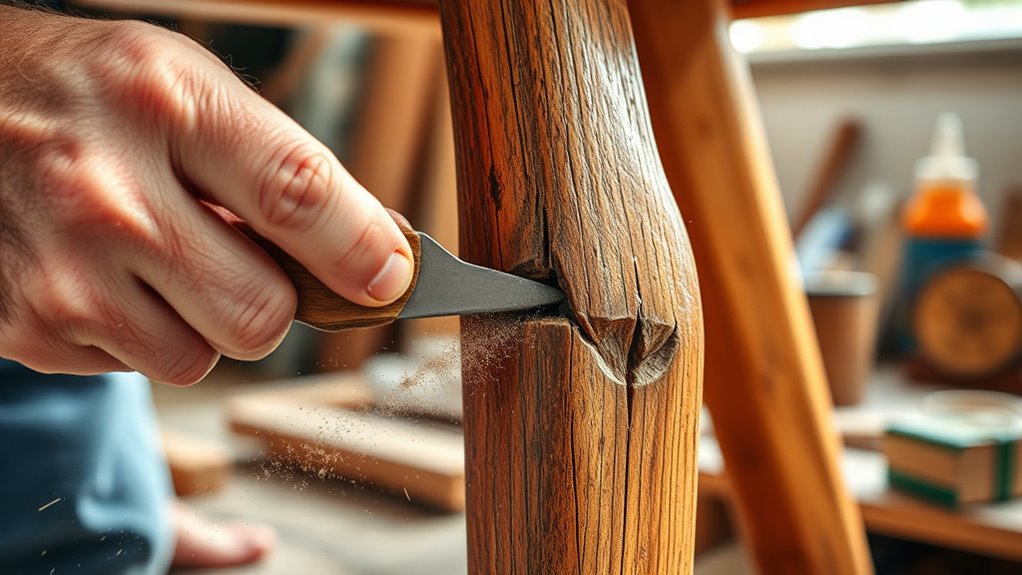
When your appliances or gadgets break down, it’s tempting to replace them immediately. But before rushing out to buy new, consider giving repairs a shot. It’s often easier than you think, and it can save you a lot of money. Starting with simple, DIY fixes allows you to troubleshoot common issues and apply frugal hacks that extend the life of your devices. It’s all about embracing a mindset that values maintenance tips and resourcefulness over unnecessary spending.
First, gather some basic tools like screwdrivers, pliers, and a multimeter. These are essential for most repair projects. Once you’ve got your toolkit ready, identify the problem by checking for obvious issues like loose connections, dirt buildup, or burnt-out components. Many appliance failures are caused by simple problems that you can fix yourself. For example, a clogged filter or a worn-out belt might be the culprit in a malfunctioning washing machine, and replacing or cleaning these parts can restore functionality without replacing the entire unit. When you do need to replace parts, look for compatible, affordable options online instead of opting for costly brand-name replacements.
Applying maintenance tips regularly can help prevent future breakdowns. Simple frugal hacks include cleaning vents, checking for leaks, and ensuring that moving parts are well-lubricated. These small steps can make a big difference in how long your appliances last. Also, keep an eye on warranties and manufacturer instructions, which often include troubleshooting guides that can help you diagnose issues quickly. If you’re unsure about a repair, online tutorials and forums can be invaluable. Watching quick videos on YouTube or reading DIY blogs can give you confidence and step-by-step guidance. Utilizing cookie analytics can also provide insights on how to optimize your repair process and improve your overall experience.
Repairing your gadgets isn’t just about saving money; it’s also an eco-friendly choice. Reducing electronic waste by fixing rather than tossing out benefits the environment and your wallet. Plus, developing basic repair skills can boost your confidence and make you more self-reliant. Even if a repair seems intimidating at first, taking it step-by-step and applying simple maintenance tips can turn it into a manageable task. Over time, you’ll build a toolkit of skills and frugal hacks that help you keep your devices running longer, saving you hundreds of dollars in the long run.
In the end, the key is to be proactive and resourceful. Repair, don’t replace, by embracing DIY fixes and maintenance tips—your wallet and the environment will thank you.
Frequently Asked Questions
How Do I Know if a Repair Is Worth Attempting Myself?
You should evaluate if a repair is worth attempting yourself by doing a cost benefit analysis and skill assessment. If the repair cost is low and you have some experience or confidence in fixing similar issues, it’s probably worth trying. However, if it’s complex or risky, it’s better to seek professional help. Being honest about your skills helps you avoid making problems worse and saves you money in the long run.
What Safety Precautions Should I Take During DIY Repairs?
Your safety is your top priority—don’t underestimate it! Always wear personal protective equipment like gloves, goggles, and masks to shield yourself from hazards. Before starting, do a thorough hazard identification to spot potential dangers. Keep your workspace well-ventilated and clear of clutter. Stay focused, avoid rushing, and never work alone if you’re dealing with risky tasks. These precautions can turn a DIY disaster into a safe, successful repair.
How Can I Find Reliable Tutorials for Home Repairs?
To find reliable tutorials for home repairs, start by exploring trusted DIY resources like home improvement websites, YouTube channels, and forums. Look for videos with high ratings, clear instructions, and positive comments. Verify the credentials of creators or experts sharing their knowledge. Cross-reference multiple sources to confirm the accuracy. This way, you’ll access dependable tutorials that help you confidently tackle home improvement projects yourself.
What Tools Are Essential for Basic DIY Fixing?
Ever imagined fixing things around your home with just a few simple tools? For basic DIY fixing, you need essential tools like a hammer, screwdrivers, pliers, a tape measure, and a level. Remember, DIY safety is key—always wear safety glasses and gloves. These tools cover most small repairs, making your tasks easier and safer. With these essentials, you’re ready to start fixing and save money!
When Should I Call a Professional Instead of Repairing Myself?
You should call a professional when a repair involves electrical, plumbing, or structural work, or if you’re unsure about your skills. A professional assessment guarantees safety and proper fixes, preventing further damage. Additionally, check if your insurance covers repairs; some might require licensed work for coverage. When in doubt, it’s safer and more cost-effective to hire an expert, especially for complex issues that could compromise your home’s integrity.
Conclusion
By choosing to repair instead of replace, you not only save money but also become more connected to your belongings. Sometimes, a simple fix can spark a surprising sense of accomplishment, reminding us that we’re capable of more than we think. It’s funny how a small repair can unexpectedly teach patience and resourcefulness, turning everyday challenges into moments of growth. In the end, your efforts create a deeper bond with your home and possessions, making every fix more meaningful.