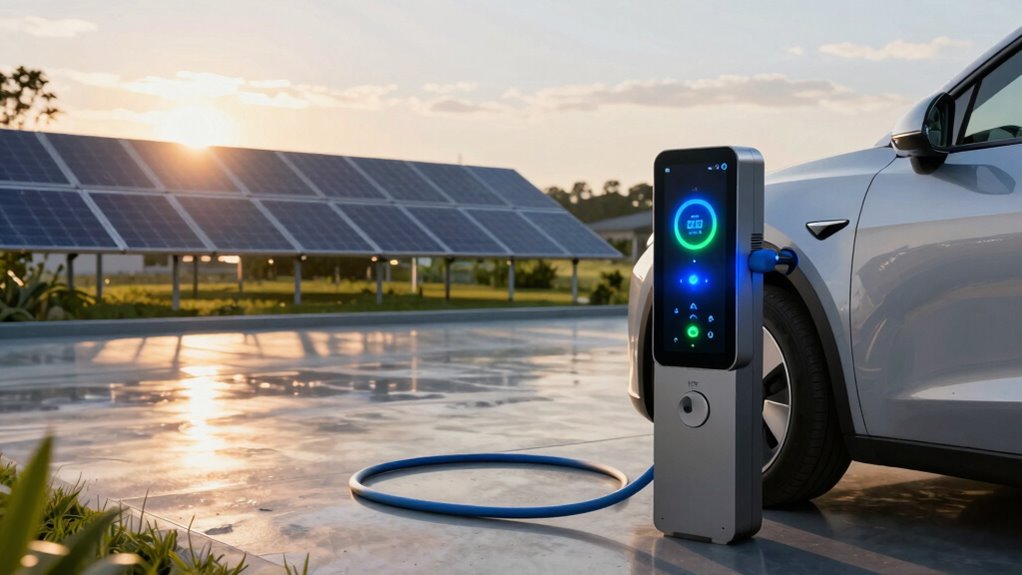

V2H and V2G technologies allow you to use your electric vehicle as more than a transportation tool; they enable the battery to send energy back to your home or the grid. This helps balance supply and demand, especially with fluctuating renewable sources like solar and wind. You can store excess energy and release it during peak times, making the system more flexible and stable. Learning more will show you how these innovations are shaping a smarter, cleaner energy future.

Prime made for students and young adults
- Fast, free delivery for dorm and study essentials
- Prime Video and Amazon Music included
- Member-only deals
Key Takeaways
- V2H and V2G enable EV batteries to supply electricity back to homes or the grid, enhancing energy management options.
- They help balance supply and demand by storing excess renewable energy and releasing it during low-generation periods.
- These technologies improve grid stability and resilience, especially during outages or peak consumption times.
- V2H and V2G increase energy flexibility by allowing dynamic charging and discharging based on renewable availability and grid needs.
- They empower users to actively participate in energy management, supporting a cleaner and more adaptable energy system.
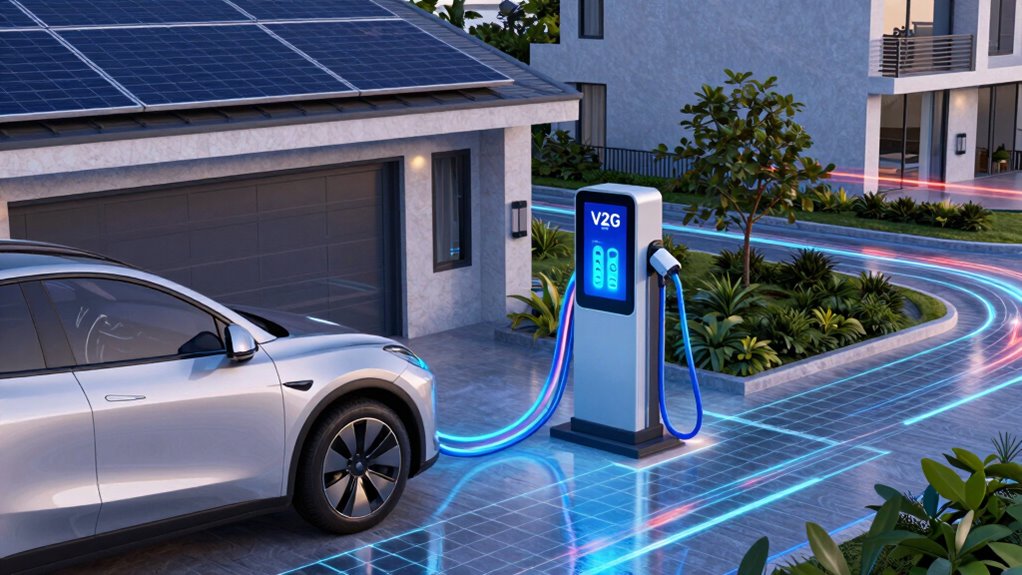
Have you ever wondered how electric vehicles can do more than just transport you? With the rise of Vehicle-to-Home (V2H) and Vehicle-to-Grid (V2G) technologies, your EV can become a powerful tool for energy flexibility. These systems enable your vehicle’s battery to send electricity back to your home or even to the wider grid, transforming how we think about energy management. When your EV is connected, it’s not just a source of mobility but a potential resource for renewable integration. As more renewable energy sources like solar and wind are added to the grid, their intermittent nature can make balancing supply and demand challenging. V2H and V2G help smooth out these fluctuations by providing stored energy when renewable generation dips and absorbing excess when it’s abundant. This process enhances grid resilience, making the entire system more stable and reliable. Instead of wasting excess renewable energy, your vehicle can store it and release it when needed, reducing reliance on traditional power plants and supporting a cleaner energy future.
By participating in these systems, you actively contribute to a more resilient grid that can better withstand outages and fluctuating demand. During peak times, your EV can feed energy back into your home or the grid, easing pressure on local infrastructure and preventing blackouts. This flexibility not only benefits the grid but can also save you money through reduced energy costs, especially if your utility offers incentives for grid support. Additionally, as renewable sources become integrated more seamlessly, your vehicle’s ability to buffer these changes helps accelerate the transition to a more sustainable energy landscape. Incorporating Energy storage into your energy management strategies can further amplify your impact and provide additional benefits. Understanding the role of renewable energy sources in grid stability highlights how your EV can support a cleaner energy future. You’re not just a consumer; you’re becoming a part of the energy ecosystem that promotes cleaner, more reliable power.
V2H and V2G are about more than just technological innovation; they’re about empowering you to participate in a smarter energy future. You can maximize your EV’s potential by aligning charging and discharging times with renewable energy availability and grid needs. This way, your vehicle supports the integration of renewables, smooths out their variability, and enhances overall grid resilience. As the energy landscape evolves, your role becomes even more critical — turning your EV into a flexible, valuable resource. Incorporating renewable energy integration into your energy management strategies can further amplify your impact. With these systems, you’re not just driving; you’re helping build a resilient, sustainable, and efficient energy future for everyone.
As an affiliate, we earn on qualifying purchases.
Frequently Asked Questions
How Do V2H and V2G Impact Home Electricity Bills?
V2H and V2G can lower your home electricity bills by maximizing renewable integration and reducing reliance on costly peak energy. You actively send excess energy back to the grid or use stored power during high-rate periods, saving money. These systems also enhance grid stability, ensuring consistent energy supply. Over time, this flexibility can lead to significant savings and a more sustainable energy use, benefiting both your wallet and the environment.
Are V2H and V2G Compatible With All Electric Vehicle Models?
V2H and V2G compatibility depends on your electric vehicle model and its vehicle integration capabilities. Not all EVs support bidirectional charging, which is essential for these systems. You’ll need compatible vehicles and advanced charging infrastructure designed for vehicle-to-grid and vehicle-to-home functions. Before investing, check your EV’s specifications and verify your charging stations support these features, so you can maximize energy flexibility and savings.
What Are the Initial Costs for Implementing V2H and V2G Systems?
The initial costs of implementing V2H and V2G systems can surprise you, especially when considering integration challenges and technology standards. While prices vary, you might face expenses for compatible chargers, home energy management systems, and software updates. Although these investments seem high upfront, they’re essential for seamless energy flow. Be prepared for potential modifications to your existing infrastructure, making the journey toward energy flexibility a strategic, rewarding move.
How Secure Are V2H and V2G Connections Against Cyber Threats?
V2H and V2G connections are generally secure if you adopt strong cybersecurity protocols and data encryption. You should ensure that the systems use up-to-date encryption standards and regularly update firmware to patch vulnerabilities. Additionally, implementing multi-factor authentication and monitoring network activity can help prevent cyber threats. By staying proactive with these security measures, you can greatly reduce the risk of cyber attacks and protect your energy management systems.
Can V2H and V2G Systems Operate During Power Outages?
Yes, V2H and V2G systems can operate during power outages, but it depends on your setup. They help maintain grid stability by providing backup power and support renewable integration by balancing supply and demand. When properly configured, these systems can power your home or feed energy back to the grid during outages, enhancing reliability. Make certain your system has a backup power mode and proper safety measures for continuous operation.
V2G compatible electric vehicle charger
As an affiliate, we earn on qualifying purchases.
As an affiliate, we earn on qualifying purchases.
Conclusion
So, what’s next? As V2H and V2G technologies evolve, they could completely reshape how you manage energy, offering unprecedented flexibility and control. Imagine a future where your home and car work seamlessly together, saving you money and reducing your carbon footprint. But the real question is—are you ready to access this potential? The coming breakthroughs could change everything. Stay tuned—what happens next might just surprise you.
solar energy battery backup system
As an affiliate, we earn on qualifying purchases.
As an affiliate, we earn on qualifying purchases.
As an affiliate, we earn on qualifying purchases.
Halloween Picks
halloween
As an affiliate, we earn on qualifying purchases.