
TL;DR

Prime made for students and young adults
- Fast, free delivery for dorm and study essentials
- Prime Video and Amazon Music included
- Member-only deals
Japan has developed a new recycling method that can recover up to 90% of lithium from used EV batteries. This breakthrough could significantly impact battery recycling and supply chains, but further testing and commercial deployment are still pending.
Japanese researchers have announced a new recycling method capable of recovering up to 90% of lithium from used electric vehicle (EV) batteries. This development offers a potential solution to the growing challenge of lithium supply and battery waste management, which are critical issues for the global shift toward electric mobility.
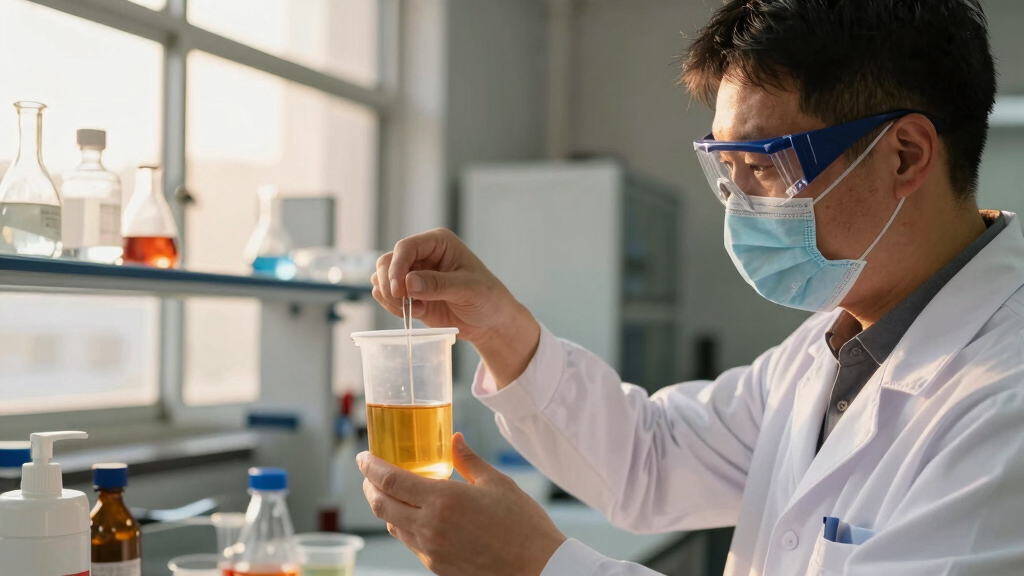
The new process was developed by a team at a Japanese research institute, who detailed their method in a recent scientific publication. It involves a chemical treatment that selectively extracts lithium from spent battery cells, significantly increasing recovery efficiency compared to existing techniques.
According to the researchers, this method could be applied to a wide range of used EV batteries, including those from popular lithium-ion models. The process has been tested at a laboratory scale, demonstrating an extraction rate of approximately 90%. The team is now working on scaling the process for industrial application, with pilot projects expected to begin within the next year.
Potential Impact on Battery Recycling and Supply Chains
This breakthrough could dramatically improve the economics of lithium recycling, reducing dependence on mining and lowering environmental impacts. With lithium prices fluctuating and supply concerns mounting, more efficient recovery methods are vital to meet global demand for EV batteries. If commercialized, this technology could also help Japan and other countries strengthen their resource independence and promote sustainable practices across the battery industry.
As an affiliate, we earn on qualifying purchases.
Growing Need for Efficient Lithium Recycling Solutions
As the global EV market expands rapidly, the volume of used batteries is also increasing. Current recycling methods often recover less than 50% of lithium, and the process can be costly and environmentally taxing. Several countries and companies are investing in advanced recycling technologies, but widespread adoption remains limited. Japan’s new method adds to these efforts by promising higher recovery rates, addressing both resource scarcity and waste management challenges.
Previous research has focused on chemical and thermal treatments, but achieving recovery rates above 80% has been difficult. Japan’s recent development marks a notable advance, with the potential to reshape industry standards if proven scalable.
As an affiliate, we earn on qualifying purchases.
Uncertainties About Commercial Scalability and Cost
It is not yet clear how quickly the process can be scaled from laboratory to industrial levels, or what the associated costs will be. The team is planning pilot projects, but real-world application and economic viability remain to be demonstrated. Additionally, the environmental impacts of the chemical treatments used are still under assessment.
As an affiliate, we earn on qualifying purchases.
Next Steps for Pilot Testing and Industry Adoption
The research team plans to initiate pilot-scale testing within the next 12 months. If successful, they aim to partner with recycling companies and battery manufacturers to evaluate the process’s scalability and economic feasibility. Further research will focus on optimizing the process for different battery chemistries and ensuring environmental safety.
battery recycling chemical treatment
As an affiliate, we earn on qualifying purchases.
As an affiliate, we earn on qualifying purchases.
Key Questions
How does this new recycling method compare to current lithium recovery techniques?
The new method claims to recover up to 90% of lithium, significantly higher than the typical 50-70% recovery rate of existing processes. It uses a chemical treatment that selectively extracts lithium, improving efficiency.
When could this technology be available for commercial use?
Industrial-scale testing and pilot projects are planned within the next year. If these are successful, commercial deployment could follow within 2-3 years, depending on regulatory and economic factors.
Will this process be environmentally friendly?
The environmental impact of the chemical treatments involved is still under review. The researchers aim to develop a process that minimizes waste and uses greener chemicals, but full environmental assessments are ongoing.
Could this technology reduce the need for lithium mining?
Yes, higher recovery rates from used batteries could lessen dependence on mining, contributing to more sustainable resource management and supply chain stability.
What types of batteries can this recycling method process?
The researchers indicate that the method can be applied to a range of lithium-ion batteries, including those used in electric vehicles and portable electronics.
Source: hn
Fall Picks
fall essentials
As an affiliate, we earn on qualifying purchases.