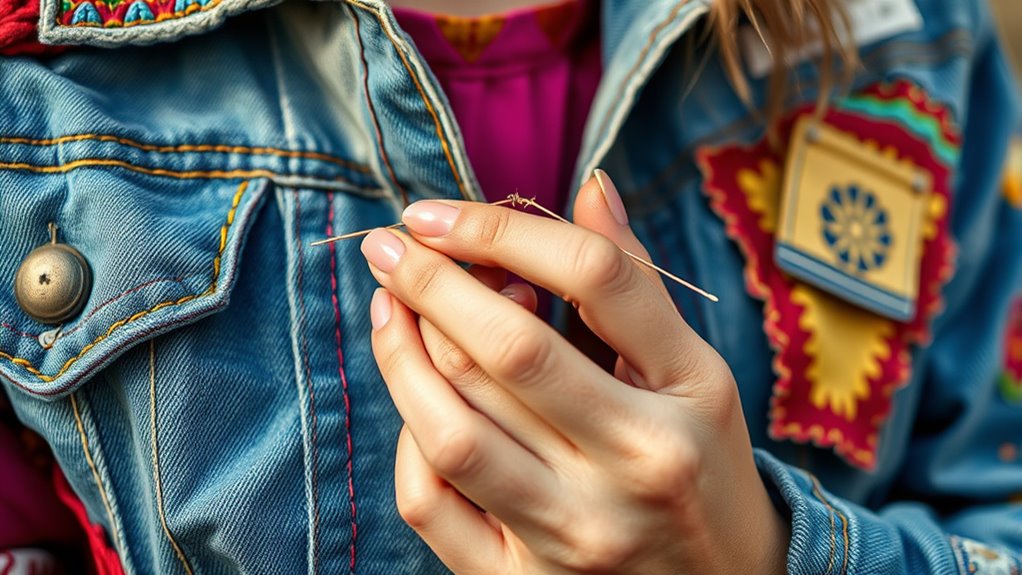

You’re seeing repair clothes become a bold fashion statement, blending sustainability with personal style. Repairing garments is now trendy, turning flaws into unique features with creative stitches, patches, and DIY techniques. It’s more than fixing—it’s about expressing individuality, reducing waste, and embracing a circular approach to fashion. This movement highlights how sustainability and style can go hand in hand. Keep exploring to discover how repairing can transform your wardrobe and mindset.
Key Takeaways
- Repairing clothes is now a trendy, eco-conscious fashion choice that emphasizes sustainability and personal style.
- DIY mending techniques like patches and decorative stitches turn repairs into unique, fashionable statements.
- The movement fosters a deeper connection with clothing, promoting a shift from fast fashion to mindful, creative wardrobe management.
- Online tutorials and workshops make garment repair accessible, encouraging widespread adoption of sustainable practices.
- Repairing and reimagining garments demonstrate a commitment to reducing waste and redefining fashion’s environmental impact.
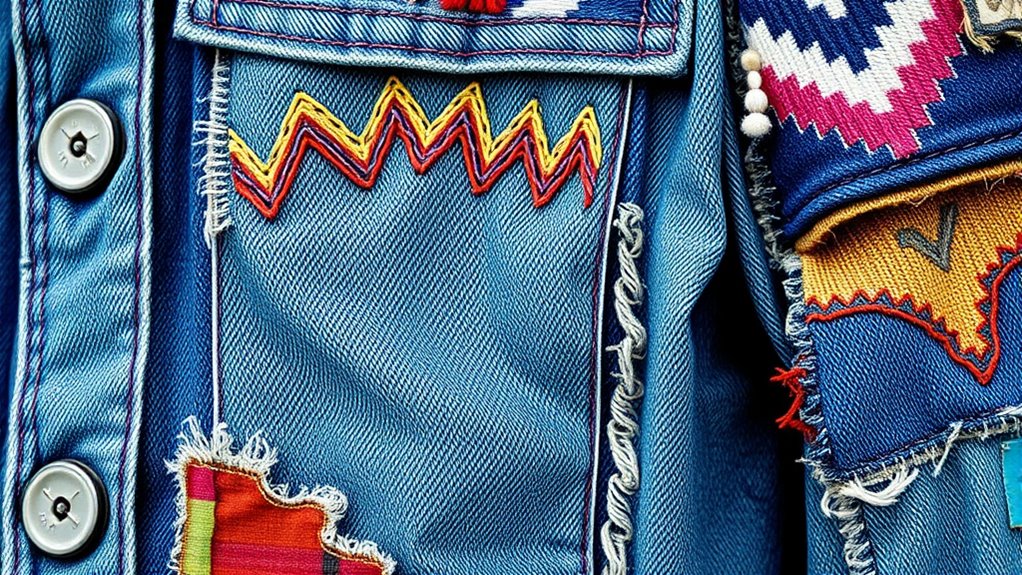
In a world increasingly focused on sustainability, repairing clothes has become a fashionable choice rather than a chore. More people are realizing that mending garments can be a stylish statement, blending practicality with creativity. This shift aligns with the broader movement of sustainable fashion, where reducing waste and extending the life of your wardrobe takes center stage. Instead of tossing out damaged or worn items, you’re encouraged to embrace DIY repairs, turning what might seem like a flaw into a feature. This approach not only minimizes environmental impact but also allows you to develop a unique sense of style rooted in craftsmanship.
Repairing clothes is a stylish, sustainable choice that blends creativity with practicality.
DIY repairs are more accessible than ever, thanks to online tutorials, community workshops, and a wealth of resources. You can learn simple techniques like sewing on patches, darning socks, or fixing zippers with just a few tools and some patience. The beauty of DIY repairs is that they give you control over your wardrobe’s destiny. You’re not bound by fast fashion’s fleeting trends or disposable mentality; instead, you take ownership of your clothes and their stories. Whether it’s a torn pocket or a faded hem, you can turn these flaws into badges of authenticity, showcasing your commitment to sustainable fashion. Plus, repairing your clothes often results in one-of-a-kind pieces that stand out because of their history and character.
Adopting a repair mindset also shifts your perspective from consumer to creator. As you learn to mend and customize your garments, you develop a deeper connection with your wardrobe. You start to see damage as an opportunity for innovation rather than an end. For example, you might add decorative stitches or fabric patches that enhance the original design, transforming a simple repair into a fashion statement. This creative process not only saves money but also reduces your environmental footprint. Instead of contributing to the cycle of fast fashion waste, you’re actively participating in a circular approach—repair, reuse, and reinvent.
Ultimately, embracing DIY repairs and sustainable fashion means you’re making deliberate choices that reflect your values. Repairing clothes isn’t just about fixing; it’s about redefining how you relate to your wardrobe and the planet. By choosing to mend and customize, you showcase a sense of style that’s rooted in responsibility, ingenuity, and individuality. It’s a movement that proves fashion can be both beautiful and sustainable—one stitch at a time.
Frequently Asked Questions
How Can I Start Repairing Clothes if I’m a Beginner?
To start repairing clothes as a beginner, look for sewing tutorials online that are designed for beginners. Follow these tutorials closely, and don’t rush—practice makes perfect. Begin with simple fixes like sewing small tears or replacing buttons. Remember to gather basic tools like needles, thread, and scissors. With patience and consistent practice, you’ll gain confidence and develop your skills, turning mending into a satisfying and eco-friendly habit.
What Are the Best Tools and Materials for Clothing Repairs?
You don’t need fancy tools to start repairing clothes. Begin with sewing machine basics like a needle, thread, and pins, which help you handle most repairs. For quick fixes, fabric adhesive options are handy and easy to use. Keep a small scissors and chalk for marking. These simple tools make mending accessible, even for beginners, helping you confidently restore your clothes and embrace the sustainable fashion trend.
How Do Repair Techniques Vary for Different Fabrics?
You’ll find that repair techniques vary for different fabrics to enhance fabric blending and repair aesthetics. For delicate fabrics like silk, use gentle stitches and fine threads, while sturdy materials like denim require stronger stitches and possibly patches. Knits may need careful weaving, whereas woven fabrics benefit from visible topstitching. Adjust your approach based on the fabric’s texture and weight, ensuring your repair complements the original look and maintains fabric blending seamlessly.
Can Repairs Be Made to Look Invisible or Intentionally Stylish?
Like a painter with a blank canvas, you can make repairs either vanish or stand out as a bold statement. Invisible mending seamlessly blends stitches into fabric, creating a subtle fix that feels almost magical. Conversely, stylish repairs turn mending into art, with decorative stitches or patches adding personality. Whether you want your repair to whisper or shout, you control the look, transforming mending into a creative expression of your style.
What Are Eco-Friendly and Sustainable Options for Clothing Mending?
You can choose eco-friendly and sustainable mending options like upcycling techniques to transform old garments into new, stylish pieces. Use natural dyeing methods with plant-based dyes to add color without harsh chemicals. Repair small tears with visible mending stitches or decorative patches, which promote sustainability and creativity. These approaches help extend your clothing’s life, reduce waste, and embrace environmentally conscious fashion practices seamlessly.
Conclusion
So, next time your favorite shirt gets a tear, don’t toss it out—repair it. Embracing mending not only keeps your wardrobe unique but also proves that sometimes, old is gold. It’s a chance to stand out and show you care about sustainability and craftsmanship. Remember, a stitch in time saves nine, so why not turn a mishap into a statement? Repairing clothes isn’t just practical; it’s a stylish way to make a difference.