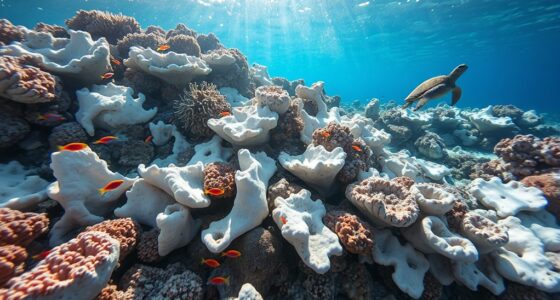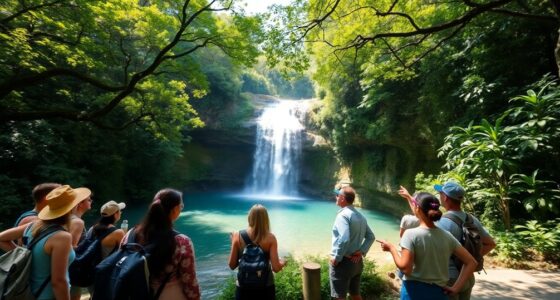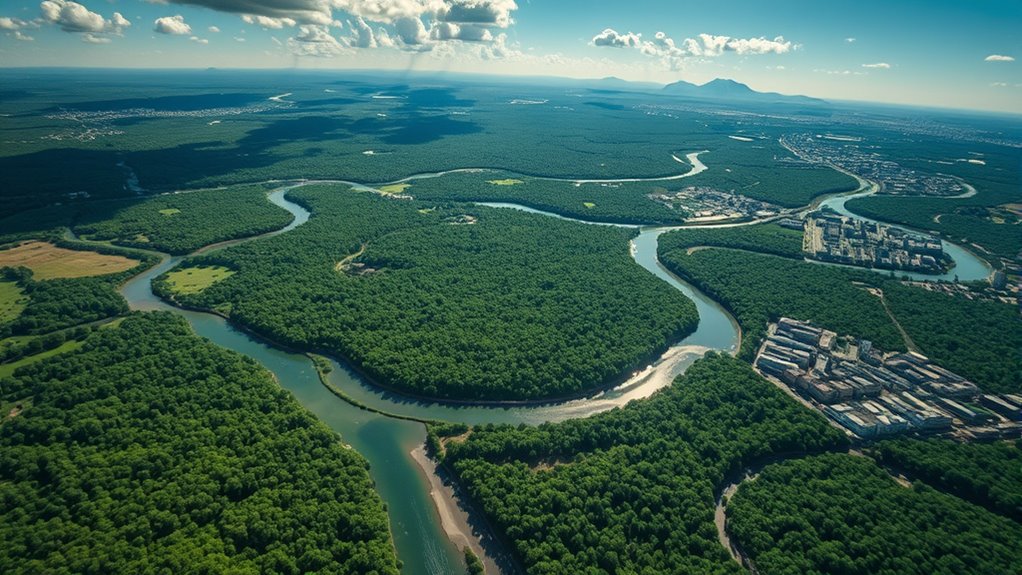

As we reach the halfway point to 2030, it’s clear that efforts to protect 30% of nature are falling short without more funding and global commitment. You need sufficient resources for land protection, enforcement, and addressing threats like climate change and habitat loss. Without increased investment and community engagement, progress remains limited, and biodiversity continues to decline. If you want to understand what’s being done—and what more is needed—you’ll find valuable insights ahead.
Key Takeaways
- Current efforts are insufficient; without increased funding, progress toward protecting 30% of nature remains limited.
- Many protected areas lack adequate resources for effective enforcement and management.
- Biodiversity loss accelerates due to resource constraints and unaddressed threats like habitat destruction and climate change.
- Community engagement and global coordination are crucial for advancing conservation goals.
- Sustained, long-term investment is vital to ensure the durability of protected ecosystems by 2030.
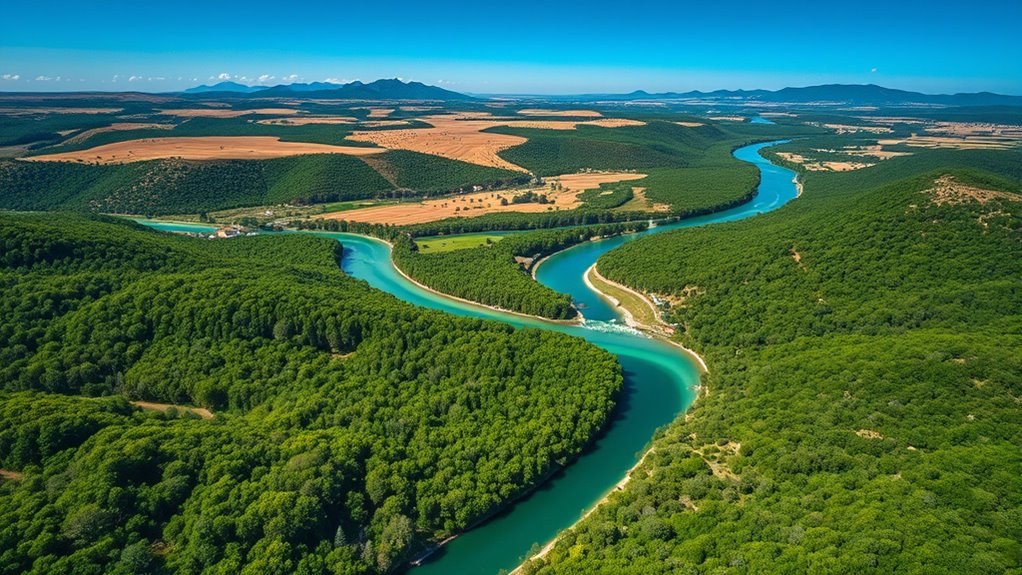
As we reach the halfway mark to 2030, questions arise about whether global efforts are enough to protect 30% of nature. The ambitious goal aims to halt biodiversity loss and preserve ecosystems essential for life on Earth. But are current strategies sufficient? It’s clear that without substantial conservation funding, progress remains limited. You might wonder why funding is such a critical piece of the puzzle. The truth is, protecting vast areas of land and sea requires significant resources—money for land acquisition, habitat restoration, enforcement, and ongoing management. When resources fall short, protected areas become vulnerable to illegal activities like poaching, logging, and pollution, which further accelerate biodiversity loss.
You may also notice that many conservation projects struggle to secure consistent funding. Governments, NGOs, and private sectors all play roles, but often their commitments aren’t enough to reach the 30% target. Budget constraints mean fewer protected zones, less enforcement, and less research into effective conservation methods. The result? Biodiversity continues to decline at alarming rates, with species disappearing faster than they can adapt. Protecting biodiversity isn’t just about designating areas on a map; it’s about actively managing and restoring ecosystems, which requires ongoing investment. Without sufficient conservation funding, these efforts become piecemeal, and the overall goal risks slipping further out of reach.
You might also realize that protecting 30% of nature isn’t just a matter of designating land. It involves addressing the root causes of biodiversity loss—climate change, habitat destruction, invasive species, and unsustainable resource use. Tackling these issues demands coordinated global action and increased financial support. Furthermore, engaging local communities is essential; they’re often the stewards of the land and can be powerful allies if provided with adequate resources and incentives. When conservation funding flows into local projects, it enhances community resilience and fosters sustainable practices that benefit both people and nature. Additionally, the importance of long-term conservation planning cannot be overstated in ensuring the durability of protected areas and ecosystems.
In short, reaching the 30% target depends heavily on ramping up conservation funding worldwide. Without it, efforts to halt biodiversity loss will remain fragmented and insufficient. If you’re concerned about the future, understanding this link between funding and effective conservation helps underscore why investment today can determine the health of ecosystems tomorrow. Protecting nature at this scale isn’t just an environmental issue—it’s a societal imperative that requires immediate, sustained financial commitment. Only then can we hope to preserve the rich tapestry of life that sustains us all.
protected area enforcement tools
As an affiliate, we earn on qualifying purchases.
As an affiliate, we earn on qualifying purchases.
Frequently Asked Questions
How Does Protecting 30% of Nature Benefit Urban Areas?
Protecting 30% of nature benefits urban areas by creating more urban green spaces, which offer cleaner air and reduce pollution. These green spaces help lower temperatures, making cities more comfortable and healthier. They also support biodiversity and provide residents with places to relax and connect with nature. When you prioritize nature protection, you improve the quality of life, boost mental health, and create more sustainable, resilient cities for everyone.
What Role Do Indigenous Communities Play in Conservation Efforts?
You might think conservation is all about big organizations, but indigenous communities are the real heroes. Their indigenous knowledge and deep connection to the land make them essential in protecting nature. Through community stewardship, they manage ecosystems sustainably, often better than outsiders. Ironically, their centuries-old practices are now recognized as crucial tools in global efforts to conserve biodiversity, proving that sometimes, the oldest wisdom is the most effective.
Are There Specific Regions Lagging Behind in Conservation Targets?
You should be aware that regional disparities considerably affect conservation progress, with some areas lagging behind in meeting targets. These conservation gaps often occur in regions facing limited resources, political instability, or high development pressures. Addressing these disparities requires targeted efforts, increased funding, and international cooperation. By focusing on underserved regions, you can help bridge the gap and ensure global biodiversity protection stays on track toward the 2030 goals.
How Is Progress Monitored and Measured Globally?
Imagine a vast, glowing web of satellite monitoring stretching across Earth, capturing real-time images of protected areas. You can see progress unfold through biodiversity indicators that track species health and habitat changes. Globally, organizations analyze this data to measure conservation success, identify gaps, and adjust strategies. This continuous, high-tech oversight helps you stay informed about whether we’re on track to safeguard 30% of nature by 2030.
What Are the Economic Implications of Achieving the 30% Goal?
Achieving the 30% protection goal has significant economic implications. You’ll need to conduct cost-benefit analyses to weigh conservation costs against ecosystem services benefits. Funding mechanisms like public-private partnerships and international grants are essential to support this effort. While upfront costs may be high, protecting nature can reduce future expenses related to climate change, disaster mitigation, and health, ultimately fostering sustainable economic growth and resilience.
U.S. Funding for International Conservation and Biodiversity
As an affiliate, we earn on qualifying purchases.
As an affiliate, we earn on qualifying purchases.
Conclusion
As you look at the path ahead, remember that reaching 30% protection by 2030 is like steering a ship through choppy waters—you need steady effort and clear direction. While progress has been made, there’s still a long way to go to safeguard our planet’s future. You hold the compass, and every action counts in turning the tide toward a healthier, more resilient world. Together, we can guarantee that nature’s beauty isn’t just a distant dream, but a thriving reality.

Please Keep Out Habitat Restoration In Progress Sign – Notice Metal Tin Sign 12×8 Inch for Industrial or Commercial Use
- High-contrast, easy-to-read lettering: Ensures visibility from a distance
- Durable metal construction: Suitable for indoor and outdoor use
- Standard 12×8 inch size: Fits on doors, fences, walls
As an affiliate, we earn on qualifying purchases.
As an affiliate, we earn on qualifying purchases.
community engagement conservation kits
As an affiliate, we earn on qualifying purchases.
As an affiliate, we earn on qualifying purchases.