
TL;DR

Prime made for students and young adults
- Fast, free delivery for dorm and study essentials
- Prime Video and Amazon Music included
- Member-only deals
Recent studies indicate that LED lighting, if properly implemented, can reduce light pollution and protect night skies. Researchers and environmentalists emphasize its potential but note challenges remain.
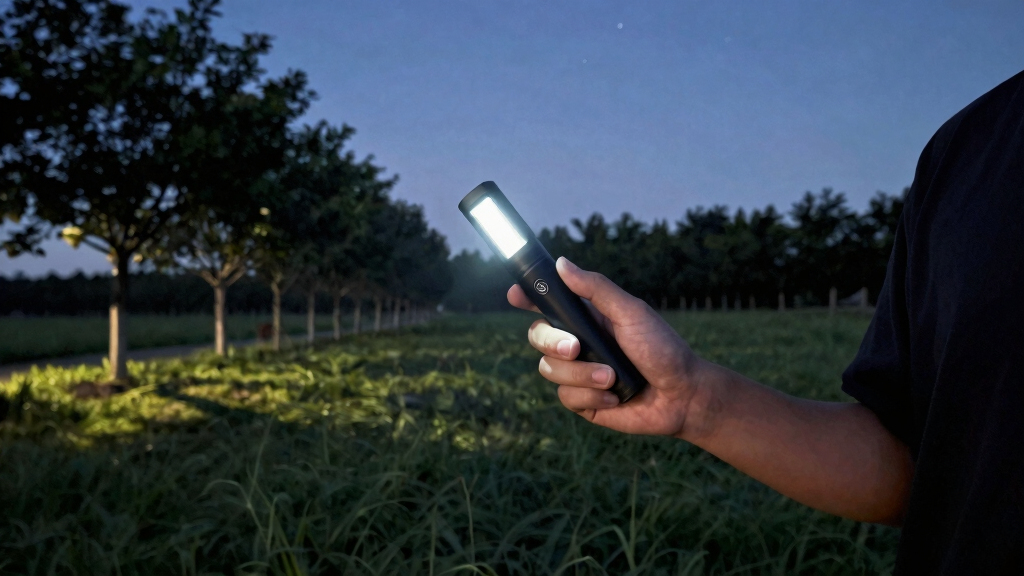
New research confirms that properly implemented LED lighting can significantly reduce light pollution, offering a potential solution to protect night skies. This development is important for environmental conservation and astronomical research, as excessive artificial light hampers both.
Scientists from the International Dark-Sky Association (IDA) and urban planners have highlighted that LED lighting, with its energy efficiency and directional capabilities, can be used to minimize skyglow — the diffuse brightness that obscures stars. Recent pilot programs in several cities have demonstrated a measurable decrease in light pollution levels when switching from traditional lighting to carefully designed LED systems.
According to Dr. Laura Chen, a lighting expert at the IDA, “When LEDs are properly shielded and directed downward, they emit less stray light into the sky, which can help restore darker night environments without sacrificing safety or visibility.” However, she cautions that improper use of LEDs, such as overly bright or poorly directed fixtures, can worsen light pollution. Current guidelines and standards are being developed to ensure effective implementation.
Why LED Lighting Could Transform Night Sky Preservation
This development matters because light pollution threatens both ecological systems and astronomical research. Excessive artificial lighting disrupts wildlife behaviors, affects human health, and hampers telescopic observations. The potential for LEDs to reduce skyglow offers a practical approach to mitigating these issues, making urban areas more sustainable and preserving the natural darkness of the night.
As an affiliate, we earn on qualifying purchases.
Background on Light Pollution and LED Adoption
Light pollution has increased globally due to urban expansion and the widespread adoption of outdoor lighting. Traditional streetlights often emit light in multiple directions, contributing to skyglow. LEDs, introduced over the past decade, are more energy-efficient and versatile, but their impact on light pollution depends heavily on design and usage. Pilot studies in cities like Tucson and Edinburgh have shown promising results, encouraging further research and policy development.
“If not carefully managed, LEDs can worsen light pollution, so guidelines are essential.”
— John Miller, urban lighting consultant
As an affiliate, we earn on qualifying purchases.
Unresolved Challenges in LED Light Pollution Reduction
While pilot programs show promise, it is still unclear how widespread adoption of properly designed LEDs will be in diverse urban environments. Questions remain about the long-term effectiveness, cost implications, and compliance with new standards. Additionally, there is ongoing debate over the best practices for shielded and directed lighting to maximize environmental benefits.
energy-efficient LED garden lights
As an affiliate, we earn on qualifying purchases.
As an affiliate, we earn on qualifying purchases.
Next Steps in Research and Policy Development
Researchers plan to expand pilot programs to more cities and conduct longitudinal studies to assess long-term impacts. Policymakers are working on developing and implementing standards for LED outdoor lighting to ensure environmental benefits are realized. Public awareness campaigns are also underway to promote best practices among municipalities and private entities.
As an affiliate, we earn on qualifying purchases.
Key Questions
Can LED lighting completely eliminate light pollution?
While properly designed LEDs can significantly reduce skyglow, complete elimination of light pollution is unlikely due to existing infrastructure and ongoing urban lighting needs. However, they can be a major part of mitigation strategies.
What are the main challenges in adopting LED lighting for this purpose?
The primary challenges include ensuring proper shielding and directing of light, cost of retrofitting existing infrastructure, and establishing effective standards and regulations to prevent misuse.
How soon might we see widespread benefits from LED-based light pollution reduction?
If current pilot programs and policy initiatives progress as planned, significant improvements could be visible within the next 5 to 10 years, depending on local adoption rates.
Are there environmental or health risks associated with LED lighting?
Properly designed LEDs emit less stray light and often use less blue light, which can reduce ecological and health impacts. However, improper use can still cause issues, underscoring the importance of standards and guidelines.
Source: hn
Halloween Picks
halloween
As an affiliate, we earn on qualifying purchases.