TL;DR

Prime made for students and young adults
- Fast, free delivery for dorm and study essentials
- Prime Video and Amazon Music included
- Member-only deals
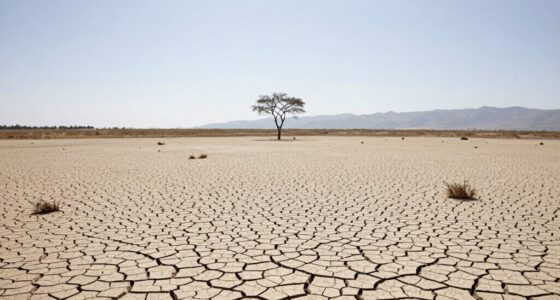
Recent scientific data confirms that climate change is intensifying, with rising global temperatures and increased extreme weather events. This development underscores the urgent need for policy measures to mitigate its impacts.
Recent scientific reports confirm that **climate change is accelerating**, with rising global temperatures and more frequent extreme weather events. This development underscores the urgency for governments worldwide to implement stronger mitigation and adaptation policies, as experts warn of escalating risks to ecosystems and human societies.
According to the latest report from the Intergovernmental Panel on Climate Change (IPCC), global surface temperatures have increased by approximately 1.2°C since pre-industrial times. The report highlights a sharp rise in extreme weather events, including hurricanes, heatwaves, and flooding, which have become more intense and frequent over the past decade. Scientists attribute these trends primarily to increased greenhouse gas emissions from fossil fuel use, deforestation, and industrial activity.
Climate scientists warn that if current emission trajectories continue, the world could reach a 1.5°C increase as early as 2030, intensifying risks to biodiversity, agriculture, and human health. Governments and organizations worldwide are under pressure to strengthen climate policies, reduce emissions, and invest in renewable energy sources. The United Nations Secretary-General has called for “immediate and ambitious action” to curb the worst impacts of climate change.
Implications of Accelerating Climate Change for Global Stability
This confirmation of accelerating climate change matters because it signals an increased risk of catastrophic environmental and economic impacts. Rising sea levels threaten coastal communities, while more frequent and severe weather events strain infrastructure and resources. The report emphasizes that without urgent action, the window to limit global warming to 1.5°C will close, leading to irreversible damage to ecosystems and human livelihoods. The findings reinforce the importance of global cooperation and policy commitments to reduce greenhouse gas emissions.
As an affiliate, we earn on qualifying purchases.
Recent Climate Data and Policy Responses
Over the past few years, climate scientists have documented a consistent rise in global temperatures, with 2020 to 2023 ranking among the hottest years on record. The IPCC’s Sixth Assessment Report, released in August 2023, consolidates decades of research showing that human activity is the primary driver of recent climate trends. Despite international agreements like the Paris Accord, global emissions have continued to rise, driven by economic growth in developing nations and energy demands.
Some countries have made commitments to achieve net-zero emissions by mid-century, but progress remains uneven. Critics argue that current policies are insufficient to meet the targets necessary to prevent dangerous climate thresholds. The latest scientific findings are prompting renewed calls for stronger international cooperation and immediate policy action.
“The data clearly shows that climate change is accelerating faster than previously projected, with severe implications if we do not act now.”
— Dr. Maria Lopez, IPCC Lead Scientist
As an affiliate, we earn on qualifying purchases.
Uncertainties About Future Climate Trajectories
While the scientific consensus confirms accelerating climate change, the exact timing and severity of future impacts depend on global emission trajectories and policy responses. It remains uncertain how quickly nations will implement effective measures and whether technological innovations will sufficiently reduce emissions to meet targets. Additionally, climate models have inherent uncertainties regarding regional impacts and tipping points.
reusable water bottles eco-friendly
As an affiliate, we earn on qualifying purchases.
As an affiliate, we earn on qualifying purchases.
Next Steps in Climate Policy and Scientific Monitoring
Scientists and policymakers are expected to review and strengthen climate commitments at upcoming international conferences, including COP28 scheduled for late 2023. Continued monitoring of climate data will inform adjustments to models and policies. Public pressure and advocacy are likely to increase, urging governments to adopt more aggressive emission reduction strategies and invest in climate resilience initiatives.
As an affiliate, we earn on qualifying purchases.
Key Questions
What are the main causes of the recent acceleration in climate change?
The primary causes include increased greenhouse gas emissions from fossil fuel combustion, deforestation, and industrial activities, which trap more heat in the atmosphere and drive global warming.
How soon could we see the most severe impacts of climate change?
If current trends continue, scientists warn that significant impacts such as sea level rise and extreme weather could become unavoidable within the next decade or two.
What actions are governments taking to address climate change?
Many countries have committed to reducing emissions, investing in renewable energy, and participating in international agreements like the Paris Accord, but progress varies and additional efforts are needed.
Is technological innovation enough to solve the climate crisis?
While technological advances can help reduce emissions, they must be complemented by policy changes, behavioral shifts, and global cooperation to effectively address the crisis.
Source: bluesky
Halloween Picks
halloween
As an affiliate, we earn on qualifying purchases.