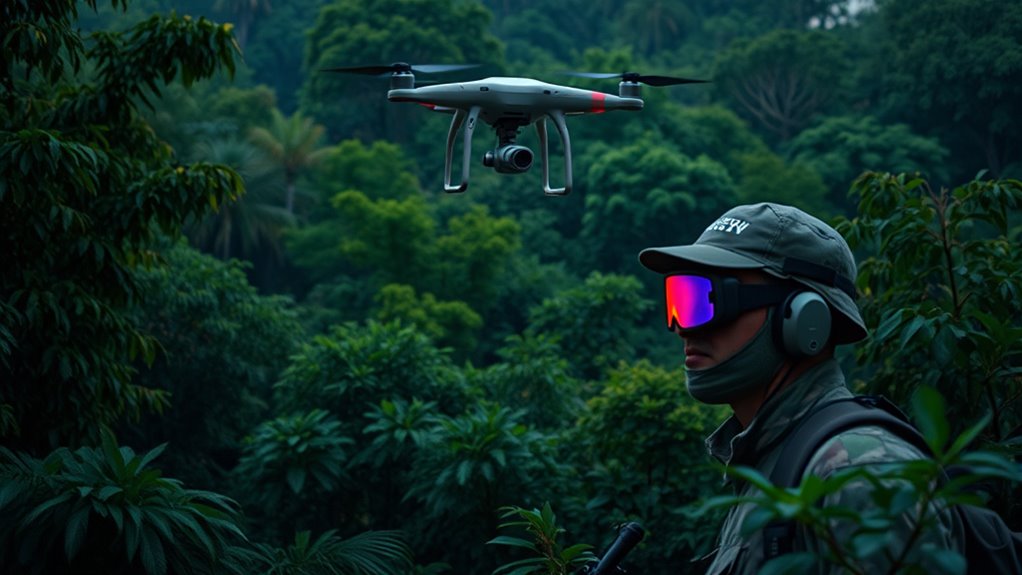

Imagine using advanced technology to protect wildlife—AI surveillance analyzes real-time visual and thermal data, while drones patrol remote areas with high-resolution and thermal cameras. These tools help identify suspicious activity instantly, deterring poachers and enabling quick responses. By combining automated alerts with rapid drone deployment, conservationists can monitor vast terrains and catch threats early. Stay with us to explore how innovations are transforming the fight against poaching and preserving endangered species.

Prime made for students and young adults
- Fast, free delivery for dorm and study essentials
- Prime Video and Amazon Music included
- Member-only deals
Key Takeaways
- AI surveillance analyzes real-time visual and thermal data to detect poaching threats instantly.
- Drone patrols with high-resolution and thermal imaging cover inaccessible areas and deter poachers.
- Integrated systems enable rapid response and targeted interventions based on threat detection.
- Data analytics identify poaching hotspots and patterns, supporting proactive conservation strategies.
- Technology enhances conservation efforts without replacing rangers, making wildlife protection more effective.
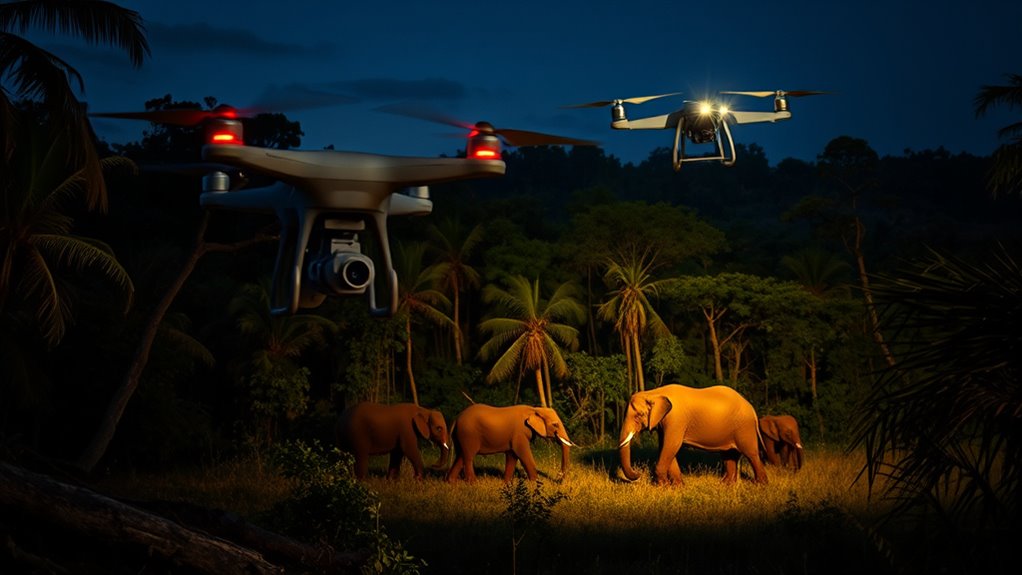
Poaching remains one of the biggest threats to wildlife populations worldwide, but advances in technology are offering new ways to combat this illegal activity. You might think that protecting animals in vast, often remote habitats is intimidating, but innovative tools like AI surveillance and drone patrols are changing the game. These technologies allow you to monitor large areas more efficiently, detect intruders quickly, and respond before the poachers can cause harm. AI-powered surveillance systems analyze visual and thermal data in real time, helping you identify suspicious movements or individuals in protected zones. Unlike traditional patrols that rely on guesswork and limited visibility, AI algorithms can sift through hours of footage or live feeds, flagging potential threats instantly. This means you can act swiftly, increasing the chances of intercepting poachers before they succeed.
AI and drone tech revolutionize wildlife protection by enabling rapid detection and response to poaching threats.
Drone patrols add another powerful layer to your defense strategy. Equipped with high-resolution cameras and thermal imaging, drones can cover vast terrains swiftly, reaching areas that are difficult for ground teams to access. As you deploy these unmanned aircraft, they continuously scan for signs of illegal activity, transmitting real-time footage back to your command center. Because drones can hover for extended periods and navigate challenging landscapes, you gain a dynamic and persistent presence in the field. This not only acts as a deterrent for would-be poachers but also provides essential intelligence for your teams to plan targeted interventions. Plus, drones can be programmed to follow predefined routes or respond to alerts from AI surveillance systems, creating a seamless, integrated security network.
Together, AI surveillance and drone patrols empower you to proactively safeguard wildlife, rather than just respond to incidents after they happen. You can set up automated alerts that notify your team the moment suspicious activity is detected, allowing for rapid deployment of ground patrols or other resources. This proactive approach minimizes the window of opportunity for poachers, making illegal hunting less feasible. Additionally, the data collected through these technologies helps you analyze poaching patterns, identify hotspots, and allocate resources more effectively over time. As technology advances, so does your ability to stay one step ahead of those who threaten wildlife. Moreover, AI can assist in predicting poaching trends, enabling you to implement preventative measures before illegal activities occur.
In the end, these tools don’t replace the essential efforts of conservationists and rangers—they amplify your capacity to protect animals. By harnessing AI surveillance and drone patrols, you’re transforming traditional conservation into a smarter, more responsive effort. It’s a high-tech battle that combines human dedication with cutting-edge innovations, giving wildlife a better chance at survival in an increasingly threatened world.
AI surveillance wildlife protection system
As an affiliate, we earn on qualifying purchases.
As an affiliate, we earn on qualifying purchases.
Frequently Asked Questions
How Do Anti-Poaching Drones Navigate Difficult Terrains?
You might wonder how anti-poaching drones navigate tough terrains. They use advanced aerial mapping and terrain adaptation technology to overcome obstacles like dense forests or rugged mountains. These drones analyze the landscape in real-time, adjusting their flight paths to stay on course and avoid hazards. With GPS guidance and obstacle detection, you can trust these drones to effectively monitor remote areas, ensuring wildlife protection even in the most challenging environments.
What Is the Cost of Implementing High-Tech Wildlife Protection Systems?
Imagine building a fortress to guard your treasures; high-tech wildlife protection systems are similar. The costs include initial setup, ongoing maintenance, and technological upgrades. Funding challenges often make it hard to sustain these defenses, and maintenance costs can drain resources over time. While expensive, investing in advanced systems can save endangered species and preserve ecosystems, making it a crucial but costly battle worth fighting.
How Do Poachers Counteract Surveillance Technology?
Poachers counteract surveillance technology by employing counter surveillance tactics, such as avoiding camera ranges or using noise to disrupt sensors. They also resort to illegal technology use, like jamming signals or hacking devices, to disable monitoring systems. You need to stay ahead by continuously updating detection methods, understanding their tactics, and deploying adaptive security measures. This ongoing cat-and-mouse game requires innovation and vigilance to protect wildlife effectively.
Are There Privacy Concerns With Using Surveillance in Wildlife Areas?
Imagine safeguarding nature’s treasures while respecting privacy concerns—sounds like a delicate balance, right? You might wonder about surveillance ethics in wildlife areas. Yes, privacy concerns exist, especially regarding invasive monitoring. It’s crucial to guarantee surveillance is used responsibly, minimizing intrusion. Responsible use of technology helps protect wildlife without infringing on personal privacy, creating a thoughtful approach that balances conservation needs with ethical considerations.
How Effective Are Community-Based Technology Solutions in Reducing Poaching?
Community-based technology solutions are highly effective in reducing poaching because they foster local engagement and trust. When you involve communities and promote technology adoption, you empower locals to watch over wildlife and report threats. This collective effort creates a stronger defense against poachers, making enforcement more sustainable. Your support in promoting community engagement and embracing new technology helps protect wildlife and preserves ecosystems for future generations.
thermal drone camera for wildlife monitoring
As an affiliate, we earn on qualifying purchases.
As an affiliate, we earn on qualifying purchases.
Conclusion
As you stand at the forefront of this battle, remember that technology is your greatest ally—like having a modern-day knight’s armor against poachers. With drones patrolling the skies and AI analyzing patterns, you’re part of a revolution that’s saving countless lives. Together, you’re rewriting the story—no longer about helpless creatures, but about hope and resilience. So, keep fighting, because in this fight, every second counts, and your actions today shape a better tomorrow.
high-resolution drone for conservation
As an affiliate, we earn on qualifying purchases.
As an affiliate, we earn on qualifying purchases.
wildlife poaching detection technology
As an affiliate, we earn on qualifying purchases.
As an affiliate, we earn on qualifying purchases.
Fall Picks
fall essentials
As an affiliate, we earn on qualifying purchases.