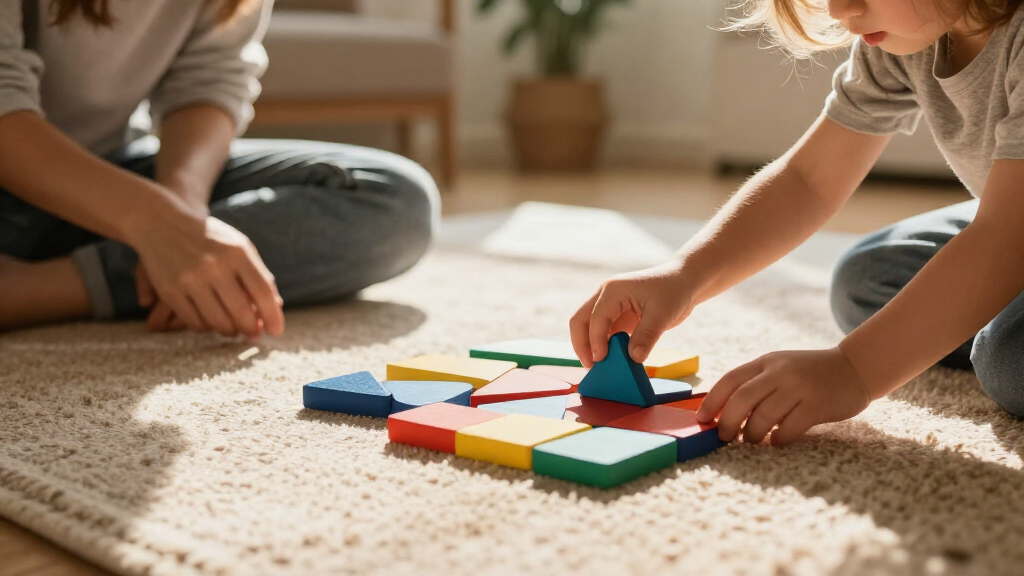
For a flexible mix of problem-solving, hands-on play, and approachable learning, I name Melissa & Doug 100 Wooden Building Blocks my best overall pick among educational toys for kids. Learning Resources STEM Explorers Brainometry stands out for shape-based reasoning, while the LeapFrog 100 Animals Interactive Bilingual Book offers guided language learning in two languages. The main tradeoff is between open-ended toys that invite repeated, child-led play and electronic or activity-based options that provide clearer prompts but may hold a narrower interest. Age fit, adult involvement, storage, and tolerance for screens can matter as much as the subject a toy teaches. Read on for the full breakdown and help matching a pick to your child.

Prime made for students and young adults
- Fast, free delivery for dorm and study essentials
- Prime Video and Amazon Music included
- Member-only deals
Key Takeaways
- Open-ended play gives the strongest all-around fit: the wooden blocks can support building, sorting, storytelling, and early math without requiring a screen or a single correct answer.
- Different learning goals call for different formats: Brainometry focuses on visual reasoning, the bilingual book centers on words and listening, and the Magic Adventures Globe brings geography into interactive play.
- Several picks teach foundational skills through repetition: alphabet puzzles, See & Spell, and Mr. Pencil’s Scribble, Write and Read all support letter recognition, but differ in whether children match, spell, or practice writing.
- Electronic features add structure, not automatically more learning: LeapMove and LeapPad Academy offer guided interaction, while writing tablets and blocks make screen-free play easier to repeat.
- Small parts and adult setup are real selection factors: magnetic tiles and pattern blocks invite construction and design, but younger children may need supervision and help keeping pieces organized.
| Learning Resources STEM Explorers Brainometry Puzzle |  | Best for Spatial Reasoning | Brand: Learning Resources | Model: LER9306 | Recommended age: 5–10 years | VIEW LATEST PRICE | See Our Full Breakdown |
| LeapFrog LeapMove Active Learning Video Game System |  | Best for Active Screen-Based Learning | Brand: LeapFrog | Model: 80-618700 | Age range: 4–7 years | VIEW LATEST PRICE | See Our Full Breakdown |
| Melissa & Doug 100 Wooden Building Blocks with Storage Box |  | Best for Open-Ended Early Learning | Brand: Melissa & Doug | Model: 100 Wood Blocks Set | Model number: MND481 | VIEW LATEST PRICE | See Our Full Breakdown |
| TQU 8.5-Inch LCD Writing Tablets for Kids, 4-Pack |  | Best for Shared Drawing and Writing Practice | Brand: TQU | Screen size: 8.5 inches | Quantity: 4 tablets | VIEW LATEST PRICE | See Our Full Breakdown |
| LeapFrog LeapPad Academy Kids’ Learning Tablet, Green |  | Best for Guided Digital Learning | Brand: LeapFrog | Model: LeapPad Academy | Model year: 2019 | VIEW LATEST PRICE | See Our Full Breakdown |
| VTech Write and Learn Creative Center |  | Best for Early Handwriting Practice | Brand: VTech | Age range: 3–6 years | Learning objective: Creative thinking and writing | VIEW LATEST PRICE | See Our Full Breakdown |
| Airbition Talking Flash Cards for Toddlers, 224 Words, Blue |  | Best Screen-Free Vocabulary Builder | Word count: 224 | Color: Blue | Age range: 1–5 years | VIEW LATEST PRICE | See Our Full Breakdown |
| Soyee Magnetic Building Tiles, 32-Piece Beginner Set |  | Best for Open-Ended Spatial Play | Brand: Soyee | Model: MAGNETIC BLOCKS | Number of pieces: 32 | VIEW LATEST PRICE | See Our Full Breakdown |
| Melissa & Doug Self-Correcting Wooden Alphabet Puzzles with Storage Box, 52 Pieces |  | Best for Hands-On Letter Matching | Brand: Melissa & Doug | Piece count: 52 wooden pieces | Puzzle set: 26 two-piece letter puzzles | VIEW LATEST PRICE | See Our Full Breakdown |
| LeapFrog 2-in-1 LeapTop Touch Educational Toy |  | Best Portable Learning Console | Brand: LeapFrog | Age range: 2–5 years | Learning modes: ABCs, numbers, games, music, and messages | VIEW LATEST PRICE | See Our Full Breakdown |
| Melissa & Doug Pattern Blocks and Boards with 120 Wooden Shapes |  | Best for Hands-On Early Math | Brand: Melissa & Doug | Model: Pattern Blocks and Boards | Age range: 3+ years | VIEW LATEST PRICE | See Our Full Breakdown |
| LeapFrog 100 Animals Interactive Bilingual Book |  | Best for Bilingual Animal Learning | Age range: 18 months and up | Pages: 6 double-sided interactive pages | Animal categories: 12 habitats and environments | VIEW LATEST PRICE | See Our Full Breakdown |
| LeapFrog Magic Adventures Interactive Globe |  | Best for Geography Exploration | Brand: LeapFrog | Globe size: 10 inches | Screen size: 2.8 inches | VIEW LATEST PRICE | See Our Full Breakdown |
| LeapFrog Mr. Pencil’s Scribble, Write and Read |  | Best for Early Writing Practice | Brand: LeapFrog | Age range: 3+ years | Material: Plastic | VIEW LATEST PRICE | See Our Full Breakdown |
| KMUYSL See & Spell Wooden Learning Toy for Ages 3–6 |  | Best for Hands-On Spelling | Brand: KMUYSL | Age range: 3–6 years | Educational objectives: Spelling and sight-word recognition | VIEW LATEST PRICE | See Our Full Breakdown |
| educational toys for kid | Brand | Age range |
|---|---|---|
| Learning Resources STEM Explor | Learning Resources | — |
| LeapFrog LeapMove Active Learn | LeapFrog | 4–7 years |
| Melissa & Doug 100 Wooden Buil | Melissa & Doug | 2+ years |
| TQU 8.5-Inch LCD Writing Table | TQU | — |
| LeapFrog LeapPad Academy Kids’ | LeapFrog | 3–8 years |
| VTech Write and Learn Creative | VTech | 3–6 years |
| Airbition Talking Flash Cards | — | 1–5 years |
| Soyee Magnetic Building Tiles | Soyee | — |
| Melissa & Doug Self-Correcting | Melissa & Doug | 4–6 years |
| LeapFrog 2-in-1 LeapTop Touch | LeapFrog | 2–5 years |
| Melissa & Doug Pattern Blocks | Melissa & Doug | 3+ years |
| LeapFrog 100 Animals Interacti | — | 18 months and up |
| LeapFrog Magic Adventures Inte | LeapFrog | 5–12 years |
| LeapFrog Mr. Pencil’s Scribble | LeapFrog | 3+ years |
| KMUYSL See & Spell Wooden Lear | KMUYSL | 3–6 years |
More Details on Our Top Picks
Learning Resources STEM Explorers Brainometry Puzzle
Progressive, hands-on challenges make Brainometry a strong choice for children who enjoy working through puzzles at their own pace. Its 10 double-sided cards move through different levels, while the tactile blocks give kids a way to explore patterns and spatial relationships without a screen. Compared with Melissa & Doug’s 100 Wooden Building Blocks, this set offers more directed problem-solving; the blocks are less open-ended, but the challenge cards give children a clear place to start. It suits solo play at home, in class, or while traveling, and the storage box helps keep the 34 pieces together. The tradeoff is that it is designed for one player, and the small pieces need careful cleanup, especially around younger siblings.
Pros:- Double-sided cards provide progressive challenges for varied skill levels
- Tactile blocks support spatial reasoning and fine motor practice
- Screen-free format works at home, in classrooms, or on trips
- Storage box helps keep the 34 pieces organized
Cons:- Designed for solo play rather than group collaboration
- Small pieces can be easy to lose and need to be kept away from younger children
Best for: Parents and educators seeking a portable, screen-free puzzle for children ages 5–10 who enjoy pattern challenges and independent play
Not ideal for: Families looking for a cooperative game or an open-ended building set for several children to share
- Brand:Learning Resources
- Model:LER9306
- Recommended age:5–10 years
- Pieces:34
- Challenge cards:10 double-sided
- Material:Plastic
- Warranty:2-year limited
Our verdict“Choose Brainometry for a portable, guided spatial-reasoning activity; pick the Melissa & Doug wooden blocks instead for open-ended group building.”
LeapFrog LeapMove Active Learning Video Game System
Movement is part of the lesson here: children use active play to work through games covering math, spelling, phonics, reading, problem-solving, and motor skills. That makes LeapMove a distinct choice from the LeapFrog LeapPad Academy, which delivers learning through a handheld touchscreen and apps rather than motion-controlled play. The LeapMove connects to a TV, comes with the required HDMI and USB cables, and saves progress for up to three players, so siblings can take turns without sharing one saved profile. Its 25 preloaded games and three learning levels offer a ready-made starting point. The tradeoff is its narrow 4–7 age range, and families wanting more game options need to download additional content; it also requires a TV setup rather than offering a standalone tabletop activity.
Pros:- Motion-based games pair learning activities with physical movement
- 25 preloaded games and adventures cover several school skills
- Three learning levels support developing abilities
- Progress can be saved for up to three players, and setup cables are included
Cons:- Designed for a specific age range of 4–7 years
- Additional games require downloads
- Requires connection to a TV, unlike the handheld LeapFrog LeapPad Academy
Best for: Families with children ages 4–7 who want school-skill practice that includes movement and supports progress for up to three players
Not ideal for: Caregivers seeking a screen-free activity, a portable standalone toy, or a system suited to children outside the listed age range
- Brand:LeapFrog
- Model:80-618700
- Age range:4–7 years
- Players:Up to 3
- Preloaded content:25 games and adventures
- Learning skills:Math, spelling, phonics, reading, problem-solving, and motor skills
- Connectivity:HDMI and USB Type-C
- Power:USB powered; batteries not required
Our verdict“Choose LeapMove for young children who learn well through movement and can use a TV, but favor the LeapPad Academy for handheld app-based practice.”
Melissa & Doug 100 Wooden Building Blocks with Storage Box
Open-ended construction is the educational strength of this set: toddlers and preschoolers can stack, balance, sort, and invent structures without being led toward one correct answer. With 100 wooden pieces across nine shapes and four colors, children can explore early counting, shape recognition, spatial awareness, and fine motor control through play. Compared with Learning Resources STEM Explorers Brainometry Puzzle, these blocks offer far more room for imaginative building and shared play, but they lack challenge cards or a defined progression for children who want specific tasks. The smooth, rounded blocks and handled storage box suit regular play at home, though the box is cardboard and may not hold up as well as the blocks themselves. No instructions are included, so children who need prompts may benefit more from a guided puzzle or activity toy.
Pros:- 100 blocks in nine shapes and four colors invite varied building and sorting
- Solid wood construction with smooth finishes and rounded edges
- Open-ended play supports spatial awareness, fine motor skills, and early math concepts
- Handled storage box makes cleanup and transport easier
Cons:- No instructions or activity ideas are included
- Cardboard storage box may wear with frequent use
Best for: Families with toddlers or preschoolers who want durable, open-ended materials for building, sorting, and early math play
Not ideal for: Buyers seeking step-by-step challenges, a structured curriculum, or a storage container built for rough long-term use
- Brand:Melissa & Doug
- Model:100 Wood Blocks Set
- Model number:MND481
- Age range:2+ years
- Unit count:100 blocks
- Shapes:Nine classic shapes
- Colors:Four bright colors
- Included components:100 blocks and storage box
Our verdict“Pick these blocks for flexible early learning and imaginative building; choose Brainometry for more structured, card-led puzzle challenges.”
TQU 8.5-Inch LCD Writing Tablets for Kids, 4-Pack
Four separate writing surfaces make this set especially practical for siblings, playdates, or a classroom where children might otherwise wait to take turns. The pressure-sensitive screens let kids vary line thickness while practicing letters, numbers, drawing, or simple lessons, and the lock switch can protect work from an accidental erase. Compared with the LeapFrog LeapPad Academy, these tablets keep activities simple and screen-free in the app sense: there are no listed games or lessons, so adults supply the prompts. That simplicity makes them easy to carry and share, but they offer less built-in educational guidance than LeapPad’s learning apps. Each board uses a built-in button battery, and the listed one-month warranty is limited, so buyers should weigh that against the convenience of a four-pack.
Pros:- Four tablets let multiple children draw or practice at once
- Pressure-sensitive screens support lines of different thicknesses
- Erase button and lock switch make clearing and saving work straightforward
- Lightweight design and top-mounted stylus support portable use
Cons:- Built-in button battery means the set is not rechargeable by USB
- One-month warranty is limited
- No built-in lessons or learning apps are listed
Best for: Families, teachers, and caregivers who want several lightweight boards for drawing, early writing practice, and turn-free group activities
Not ideal for: Buyers who want guided lessons, app-based learning, or a longer listed warranty and do not want button-battery devices
- Brand:TQU
- Screen size:8.5 inches
- Quantity:4 tablets
- Colors:Blue, light blue, green, and pink
- Material:ABS
- Features:Pressure-sensitive screen, erase button, lock switch, and top-mounted stylus
- Power:Built-in button battery
- Recommended age:36 months and up
- Warranty:One month
Our verdict“Choose the TQU set for shared, portable drawing and writing practice, but choose LeapPad Academy for guided lessons and app-based activities.”
LeapFrog LeapPad Academy Kids’ Learning Tablet, Green
Built-in educational content and parental controls give LeapPad Academy a more guided role than the TQU LCD Writing Tablets, which are better for open-ended drawing and writing practice. This tablet includes more than 20 educator-approved apps spanning reading, math, writing, coding, problem-solving, and creativity, with a three-month LeapFrog Academy trial for additional structured activities. Its removable bumper, kickstand, stylus, and shatter-safe screen are suited to child use, while parental controls let adults manage screen time and apps. The broad ages 3–8 range gives it room to serve children at different stages, but access to more games, videos, music, and eBooks can require purchases or a subscription. The 7-inch display also offers less viewing space than a larger tablet, and families seeking screen-free learning should choose a physical toy instead.
Pros:- More than 20 included apps cover multiple learning areas
- Parental controls include time limits and app management
- Removable bumper with kickstand and shatter-safe screen suit child use
- Stylus, rechargeable battery, and three-month LeapFrog Academy trial are included
Cons:- Many additional games, videos, music, and eBooks are sold separately or require a subscription
- Seven-inch screen may feel small for extended viewing
- Wi-Fi connectivity is required for online features and content access
Best for: Caregivers seeking a child-focused tablet with built-in learning apps, parental controls, and content for ages 3–8
Not ideal for: Families who want screen-free activities, a larger display, or a tablet whose additional content does not depend on purchases or a subscription
- Brand:LeapFrog
- Model:LeapPad Academy
- Model year:2019
- Age range:3–8 years
- Operating system:Android 10
- Screen size:7 inches
- Included apps:More than 20 educator-approved learning apps
- Connectivity:Wi-Fi
- Battery:Rechargeable lithium-ion
Our verdict“Choose LeapPad Academy for guided, parent-managed digital learning; pick the TQU tablets for simpler, screen-free drawing practice without apps.”
VTech Write and Learn Creative Center
The VTech Write and Learn Creative Center is a strong fit for preschoolers ready to move from free drawing to forming letters. Animated, stroke-by-stroke demonstrations guide uppercase and lowercase writing, including a child’s name, while drawing activities build from simple lines and shapes toward objects. That makes it more focused on handwriting than the TQU 8.5-Inch LCD Writing Tablets, which offer a simpler drawing surface without guided letter lessons. Stencils and stamps add creative options once a child wants a break from tracing. The tradeoff is that this is a guided practice toy rather than a broad learning center, and its two included AA batteries are for demonstration use only. I’d choose it for writing practice, not as a replacement for open-ended drawing or a full range of early-learning activities.
Pros:- Animated demonstrations model uppercase and lowercase letter stroke order.
- Can guide children through writing their name.
- Activities progress from basic lines and shapes to more complex drawings.
- Stencils, stamps, and a stylus support varied drawing practice.
Cons:- Requires two AA batteries, and the included batteries are for demonstration use only.
- Its learning focus is narrower than toys that cover multiple subjects or play modes.
- Guided demonstrations may be less appealing to children who prefer entirely open-ended drawing.
Best for: Families with children ages 3–6 who want guided letter formation and name-writing practice alongside drawing.
Not ideal for: Buyers seeking a battery-free drawing board or a toy with broad learning topics beyond early writing and drawing.
- Brand:VTech
- Age range:3–6 years
- Learning objective:Creative thinking and writing
- Drawing surface:Magnetic drawing board
- Power:2 AA batteries; included batteries are for demo use only
- Included components:Stylus, stencils, and stamps
- Warranty:90 days against manufacturer defects
Our verdict“Choose this for a preschooler who benefits from visual handwriting guidance, but pick a plain drawing tablet for less structured art play.”
Airbition Talking Flash Cards for Toddlers, 224 Words, Blue
For toddlers who learn through listening and repetition, the Airbition Talking Flash Cards make vocabulary practice more interactive than a standard picture-card set. The reader speaks words from 224 illustrated cards across familiar categories such as animals, food, vehicles, fruits, and vegetables, with real animal sounds adding another audio cue. Unlike the LeapFrog 100 Animals Interactive Bilingual Book, this set is not described as bilingual; its appeal is a broad collection of everyday words in standard American English. Five volume levels and a repeat button give caregivers control over the listening experience, while the rechargeable reader avoids routine battery replacement. The main tradeoff is the card-based routine: children must insert cards into the reader, and the stated battery life is up to four hours per charge. It suits short, focused listening sessions better than uninterrupted all-day play.
Pros:- Covers 224 illustrated words across several familiar categories.
- Spoken words and real animal sounds give toddlers an audio learning cue.
- Five volume levels and a repeat button support listening at a child’s pace.
- Rechargeable reader provides up to four hours of use per charge.
Cons:- Children need to insert cards into the reader to hear the words.
- Battery life is stated as up to four hours per charge.
- The supplied description lists standard American English, not bilingual instruction.
Best for: Caregivers of children ages 1–5 looking for screen-free, audio-supported vocabulary practice across several everyday categories.
Not ideal for: Families seeking bilingual lessons, hands-free playback, or a reader that runs longer than the stated four hours per charge.
- Word count:224
- Color:Blue
- Age range:1–5 years
- Audio accent:Standard American English
- Volume control:5 levels
- Battery:Rechargeable; up to 4 hours per charge
- Included accessory:USB cable
- Features:Repeat button, real animal sounds, and auto-off
Our verdict“Pick this for screen-free listening and everyday word practice, but choose a bilingual learning toy if language comparison is the goal.”
Soyee Magnetic Building Tiles, 32-Piece Beginner Set
The Soyee Magnetic Building Tiles earn their place for children who learn by making, changing, and rebuilding. With 32 magnetic pieces, kids can explore colors, patterns, shapes, and simple structures without following a single fixed puzzle solution. That open-ended approach differs from the Melissa & Doug Self-Correcting Wooden Alphabet Puzzles, which provide a clearer letter-and-picture matching task; the tiles invite more experimentation with spatial relationships. Their 2.95-inch square format is suited to small builds, and the set is described as compatible with major brands, which may help families add pieces from other collections. Still, 32 tiles make this a starter set rather than a choice for large constructions, and the product information does not specify tile materials. I’d favor it for exploratory play, while choosing a larger building set when scale and complexity matter more.
Pros:- Open-ended pieces support building shapes, patterns, houses, and simple structures.
- Play can encourage color recognition, creative thinking, and spatial skills.
- The 2.95-inch tiles offer a consistent format for basic construction.
- Described as compatible with major brands, offering potential to add to the set.
Cons:- The 32-piece beginner set may limit the size and complexity of builds.
- Product information does not specify the tile materials.
- Open-ended building offers less step-by-step guidance than a structured puzzle.
Best for: Families seeking a first magnetic-tile set for children ages 3–12 to explore patterns, colors, and simple structures.
Not ideal for: Children ready to build large or complex structures, or buyers who need clearly specified tile materials before purchasing.
- Brand:Soyee
- Model:MAGNETIC BLOCKS
- Number of pieces:32
- Tile dimensions:2.95 × 2.95 inches
- Item dimensions:9.25 × 6.22 × 1.57 inches
- Item weight:1.6 ounces
- Color:Rainbow
- Recommended age:36 months–12 years
- Set name:Beginner Set
Our verdict“Choose this as a starter set for hands-on spatial play, but look for a larger collection if your child wants expansive builds.”
Melissa & Doug Self-Correcting Wooden Alphabet Puzzles with Storage Box, 52 Pieces
The Melissa & Doug Self-Correcting Wooden Alphabet Puzzles turn letter practice into a clear matching task: each uppercase letter pairs with a lowercase letter and a labeled illustration, and the pieces fit only their correct match. That built-in feedback can help a child notice a mismatch without needing a screen or constant adult correction. Compared with the VTech Write and Learn Creative Center, this set emphasizes letter recognition, vocabulary, and hands-on problem-solving rather than practicing how to form letters with a stylus. The wooden pieces and storage box suit repeated tabletop play, and the puzzle format can also support sorting games. Its 52 pieces, however, can become scattered during play, while the 4–6 age range means younger preschoolers may need help. I’d pick it for matching and fine-motor practice, not for children who are already focused on writing letters independently.
Pros:- Self-correcting pieces fit only their matching letters and illustrations.
- Pairs uppercase and lowercase letters with labeled pictures.
- Wooden pieces and a storage box support repeated tabletop use.
- Puzzle play can develop letter recognition, vocabulary, fine motor skills, and problem-solving.
Cons:- The 52 pieces may be difficult to keep organized during play.
- Children younger than the stated 4–6 age range may need adult guidance.
- Matching pieces does not provide the handwriting demonstrations found in the VTech Write and Learn Creative Center.
Best for: Families with children ages 4–6 who want a screen-free way to connect uppercase and lowercase letters with picture vocabulary.
Not ideal for: Younger children who need close adult help, or learners seeking guided handwriting and letter-stroke practice.
- Brand:Melissa & Doug
- Piece count:52 wooden pieces
- Puzzle set:26 two-piece letter puzzles
- Age range:4–6 years
- Material:Wood
- Included components:26 two-piece letter puzzles and wooden storage box
- Model number:MND2541
Our verdict“Choose this for letter matching and picture vocabulary, but opt for a guided writing toy if forming letters is the priority.”
LeapFrog 2-in-1 LeapTop Touch Educational Toy
The LeapFrog 2-in-1 LeapTop Touch suits young children who enjoy imitating a computer while practicing early letters and numbers. It switches between a keyboard laptop and a touch tablet, with five modes covering ABCs, numbers, games, music, and messages; name spelling and pretend emails to Scout add a personal play element. Compared with the VTech Write and Learn Creative Center, LeapTop offers a wider mix of activities and a more device-like format, while VTech gives more direct stroke-by-stroke handwriting guidance. A carry handle and 1.3-pound weight support taking it along, but the single-player setup and electronic format make it less suited to shared, open-ended construction play than the Soyee Magnetic Building Tiles. It also needs three AA batteries, and the included set is for demonstration use. Choose it for varied pretend-computer play, not as a focused writing tutor.
Pros:- Converts between keyboard laptop and touch tablet formats.
- Five learning modes cover letters, numbers, games, music, and messages.
- Can be customized for name spelling and pretend emails to Scout.
- Carry handle and 1.3-pound weight support portability.
Cons:- Requires three AA batteries; included batteries are for demonstration, with new batteries recommended for regular use.
- Designed for one player, limiting shared play.
- Offers broader electronic activities but less direct handwriting instruction than the VTech Write and Learn Creative Center.
Best for: Caregivers of children ages 2–5 who want a portable, one-child toy combining early letters, numbers, music, and pretend computer play.
Not ideal for: Buyers looking for open-ended group play, a battery-free toy, or detailed instruction in letter formation.
- Brand:LeapFrog
- Age range:2–5 years
- Learning modes:ABCs, numbers, games, music, and messages
- Keyboard:Letters A–Z and numbers 1–10
- Battery requirement:3 AA batteries
- Number of players:1
- Dimensions:2.05 × 10.08 × 6 inches
- Weight:1.3 pounds
- Included components:2-in-1 LeapTop Touch and Parent’s Guide
Our verdict“Choose this for portable, varied pretend-computer activities, but pick the VTech center if handwriting guidance matters more than activity variety.”
Melissa & Doug Pattern Blocks and Boards with 120 Wooden Shapes
This set earns its place for children who learn best by handling and arranging physical pieces. Six shapes in multiple colors can be matched to the double-sided boards, then reused for sorting, counting, or open-ended designs. That gives it a broader early-math role than the KMUYSL See & Spell Wooden Learning Toy, which focuses more narrowly on letters and spelling. The wooden case and 120 pieces also suit repeated play, though the number of small shapes can make setup and cleanup a grown-up task. Unlike LeapFrog’s interactive book and globe, this is a quiet, screen-free activity; children get no narration or automatic feedback, so an adult may need to guide harder patterns. Choose it for spatial reasoning practice, not for a toy that teaches independently.
Pros:- 120 wooden shapes support repeated matching, sorting, counting, and design play
- Five double-sided boards offer several guided pattern activities
- Encourages shape recognition and spatial awareness through hands-on arranging
- Wooden case provides a dedicated storage place
Cons:- Small shapes may be difficult for younger preschoolers to grasp and keep organized
- Learning depends on children arranging pieces by hand, with no audio or automatic correction
Best for: Families seeking a reusable, screen-free activity for preschoolers practicing shapes, counting, and spatial relationships
Not ideal for: Children who need large pieces, spoken prompts, or independent electronic feedback while they play
- Brand:Melissa & Doug
- Model:Pattern Blocks and Boards
- Age range:3+ years
- Pieces:120 wooden shapes
- Shapes:6 shapes in multiple colors
- Boards:5 double-sided puzzle boards
- Storage:Durable wooden case
Our verdict“Choose this set for hands-on shape and early-math practice, but pick an interactive toy if your child needs built-in instructions or feedback.”
LeapFrog 100 Animals Interactive Bilingual Book
For toddlers who are drawn to animals, this book pairs touch-sensitive pages with names, sounds, and facts across 12 habitats. Its three play modes let a child move from basic recognition toward simple information, while English and Spanish narration and songs add a language-learning angle that the Melissa & Doug Pattern Blocks set does not offer. The format is also more self-guided than those wooden puzzles, but it is designed for one player, so it is less suited to shared turn-taking. Six double-sided pages keep the material manageable for younger learners, though they offer less physical variety than a toy with loose pieces. It needs two AA batteries, and fresh batteries are recommended for regular use. Pick this for audio-led exploration, not hands-on building or group play.
Pros:- Touch-sensitive pages invite children to explore at their own pace
- Three modes cover animal names, sounds, and facts
- Features animals from 12 habitats and environments
- English and Spanish narration and songs support bilingual exposure
Cons:- Designed for a single player rather than shared group play
- Requires two AA batteries, with new batteries recommended for regular use
Best for: Families with toddlers who want animal vocabulary and English-Spanish exposure through a simple, self-guided activity
Not ideal for: Caregivers looking for a cooperative toy, physical construction activity, or battery-free play
- Age range:18 months and up
- Pages:6 double-sided interactive pages
- Animal categories:12 habitats and environments
- Play modes:Animal names, animal sounds, and fun facts
- Languages:English and Spanish
- Batteries:2 AA batteries; included for demonstration
- Dimensions:9.4 × 9.2 × 1.9 inches
- Material:Plastic
Our verdict“Choose this for a toddler’s first audio-led animal and bilingual vocabulary play, rather than for shared or hands-on learning.”
LeapFrog Magic Adventures Interactive Globe
This globe is the lineup’s strongest choice for children ready to connect places with cultures, animals, habitats, and languages. A stylus activates content, while BBC videos and three quiz or exploration games add more variety than the LeapFrog 100 Animals Interactive Bilingual Book, which centers on animal vocabulary. The globe’s 10-inch size gives geography a tangible form, but its 2.8-inch screen is small for video and shared viewing. It is aimed at ages 5–12, so younger preschoolers are better matched to simpler options such as the Melissa & Doug Pattern Blocks. The globe also needs four AA batteries for regular use. This pick makes sense for a curious school-age child who enjoys guided facts and quizzes, but not for families seeking a battery-free toy or a large-screen experience.
Pros:- Connects geography with cultures, animals, habitats, and languages
- Stylus activates interactive learning content
- BBC videos and animations add variety to exploration
- Three games include quizzes and exploration activities
Cons:- The 2.8-inch screen is small for videos and viewing together
- Requires four AA batteries for regular use
Best for: Families with school-age children who want guided geography, culture, and animal exploration in a physical globe format
Not ideal for: Preschoolers, children who prefer open-ended building, or families who want a larger video display
- Brand:LeapFrog
- Globe size:10 inches
- Screen size:2.8 inches
- Age range:5–12 years
- Power:4 AA batteries
- Games:3
- Dimensions:11 × 10 × 14 inches
- Included components:Globe, USB cord, and parent’s guide
Our verdict“Choose this for a school-age child who likes guided world facts and quizzes, but skip it if a small screen or battery use will frustrate your household.”
LeapFrog Mr. Pencil’s Scribble, Write and Read
Mr. Pencil focuses on a specific preschool milestone: moving from recognizing letters to tracing and writing them. A stylus guides children through uppercase and lowercase letters, numbers, and pictures, with animations showing how marks connect to sounds and objects. Word building and name-writing practice extend the activity beyond simple tracing, while free drawing gives children room to experiment. Compared with the KMUYSL See & Spell, which uses loose wooden blocks and cards for spelling, this toy emphasizes pencil-like movements and guided digital feedback. That makes it a better fit for pre-writing practice, but less tactile and less suited to multiple children sharing materials. It requires three AA batteries, and the included batteries are for demonstration only. Choose it for a child eager to practice writing; skip it if you want a battery-free or primarily physical letter activity.
Pros:- Guides tracing of uppercase and lowercase letters, numbers, and pictures
- Animations connect letters and numbers to sounds and countable objects
- Includes word-building and sound-it-out activities
- Supports practice writing a personalized first, middle, and last name, plus free drawing
Cons:- Requires three AA batteries, and included batteries are for demonstration only
- Plastic stylus-based play offers less tactile letter handling than the KMUYSL wooden spelling set
Best for: Caregivers of preschoolers beginning letter formation, number tracing, and early word-building activities
Not ideal for: Families seeking battery-free play, larger physical letter pieces, or a toy designed for group use
- Brand:LeapFrog
- Age range:3+ years
- Material:Plastic
- Power:3 AA batteries
- Included components:Mr. Pencil’s Scribble, Write and Read; Quick Start Guide
- Manufacturer:VTech
- Model number:80-617000
Our verdict“Choose Mr. Pencil for guided pre-writing practice and name-writing, but choose a wooden letter set if hands-on spelling is the priority.”
KMUYSL See & Spell Wooden Learning Toy for Ages 3–6
This is the most direct pick here for children starting to connect letters with simple words. Double-sided cards set the prompts, and 52 wooden blocks let children build CVC words and practice sight-word vocabulary. Compared with LeapFrog Mr. Pencil’s Scribble, Write and Read, the KMUYSL set trades guided tracing, sounds, and animations for more tangible letter handling; that can suit children who prefer moving pieces, though it offers less digital instruction. Its focus is also narrower than the Melissa & Doug Pattern Blocks, which support broader sorting and spatial play. The larger wooden blocks and storage bag are practical for young learners, but the activities center on early spelling and may lose appeal once a child has moved beyond simple words. Choose it for early literacy practice, not as an all-purpose learning toy.
Pros:- Combines 28 double-sided cards with 52 wooden letter blocks
- Practices letter recognition, CVC spelling, and sight-word vocabulary
- Larger smooth blocks are designed for young children to handle
- Storage bag helps keep the pieces together and makes the set portable
Cons:- Activities focus on early words and may be limiting for advanced learners
- Cards and blocks provide less spoken instruction and feedback than LeapFrog Mr. Pencil
Best for: Families with children ages 3–6 who want a physical, card-led way to practice letters, CVC words, and early sight words
Not ideal for: Older or advanced readers who need challenging spelling, sentence work, or broader learning activities
- Brand:KMUYSL
- Age range:3–6 years
- Educational objectives:Spelling and sight-word recognition
- Materials:Wooden blocks with environmentally friendly paint
- Included components:28 double-sided flash cards and 52 wooden blocks
- Total pieces:80
- Storage:Storage bag
Our verdict“Choose this for tactile early spelling practice, but pick a guided writing toy or more advanced word game as your child’s literacy skills grow.”
How We Picked
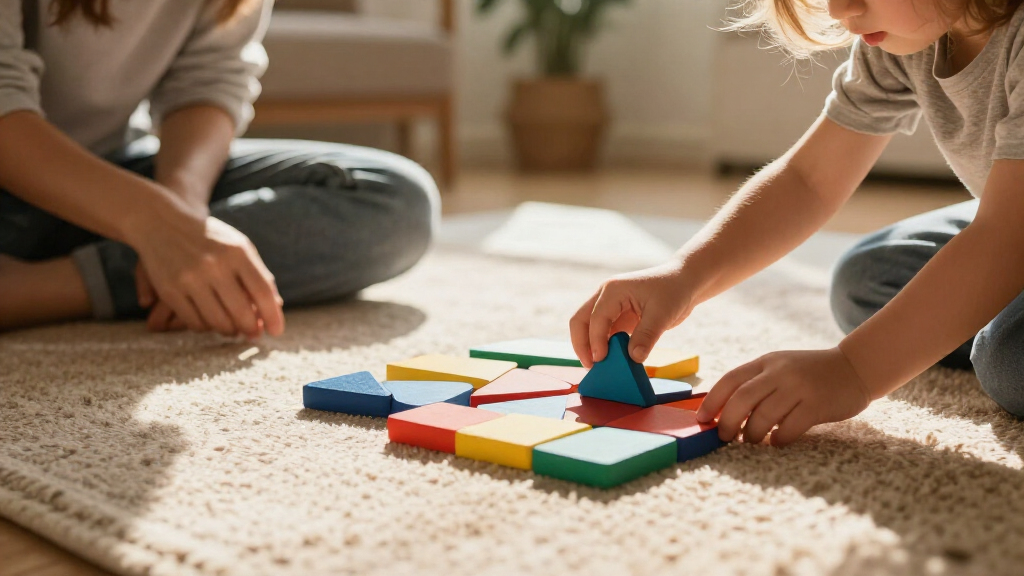
I compared the 15 toys by the kind of learning they encourage, how children interact with them, and how easily they can return to play without an adult rebuilding the activity. My criteria included age and skill fit, clarity of instructions or prompts, opportunities for experimentation, durability signals suggested by materials and construction, storage demands, and whether a toy can support more than one kind of play. I also weighed practical tradeoffs such as batteries or screens, small pieces, language focus, and the amount of adult guidance a child may need.
The ranking favors toys with a clear educational purpose and useful play beyond a single task. The wooden building blocks lead because they combine broad creative use with a simple, screen-free format. Focused options rank highly when they serve a distinct need well, while toys tied to a narrower subject or more structured interaction sit lower for families seeking flexibility. That does not make them weaker choices for the right child; it makes their best-use case more specific.
Factors to Consider When Choosing Educational Toys For Kids
I recommend choosing by the kind of play your child returns to, rather than by the number of subjects or features printed on a package. These broader checks can help you avoid a toy that sounds educational but does not suit your household’s routines.
Match the Learning Goal to the Way Your Child Plays
Start with the skill you want the toy to invite: building and spatial reasoning, early literacy, handwriting, vocabulary, movement, or general discovery. Then ask whether your child likes open-ended challenges or clear prompts with a visible answer. A child who enjoys inventing may get more from construction materials than from a toy that asks them to follow a sequence. A child who likes short, guided tasks may welcome structured activities, even if they offer less freedom. Avoid choosing only by a broad label such as STEM or language; the actual play pattern is what determines whether a child is likely to use it.
Check the Age Fit Beyond the Package Label
Age guidance is a starting point, not a full measure of readiness. Think about whether a child can manage small pieces, follow multi-step instructions, recognize letters, or stay with a task independently. A toy that is too easy may lose its appeal, while one with too many rules can turn play into a frustrating adult-led lesson. When siblings share toys, look for a format that allows different levels of play, such as simple sorting for one child and more elaborate challenges for another. For any product with small parts, use age guidance and supervision needs as practical safety checks.
Decide How Much Structure You Want
Structured toys can make it easier to begin because they supply prompts, questions, or a defined activity. Their tradeoff is that play may follow a narrower path, especially if the child has to use a particular sequence to get value from the toy. Open-ended toys ask children to make more choices and can support imaginative play alongside learning, but some children benefit from an adult showing a first example. Consider how much time you can spend playing together and whether your child prefers independent exploration. A useful purchase fits both the child’s style and the family’s available involvement.
Think Through Screens, Sound, and Batteries
Electronic toys can add spoken directions, interactive feedback, movement, or language options, which may help a child stay engaged with a lesson. They also bring practical questions: battery needs, volume, setup, screen use, and whether the toy remains appealing when its electronic features are switched off. Screen-free options avoid some of those demands but may rely more on a caregiver to introduce new challenges. Decide what role you want electronics to play instead of treating them as an automatic upgrade. If the household already has plenty of screen-based activities, a tactile alternative may offer a more useful balance.
Account for Storage and Cleanup Before Choosing
Loose pieces can make a toy versatile, but they also need a dependable home between play sessions. Before buying, consider whether the storage container is part of the toy, whether pieces are easy for a child to put away, and whether the activity can stay set up on a table. Sets with many pieces may offer variety but can be harder to manage in a small room or shared play area. Missing components can also limit activities that depend on complete sets. A slightly simpler toy that is easy to reach and tidy may see more regular use than a larger set that takes effort to unpack.
Pay More for a Better Fit, Not Just More Features
A higher feature count does not guarantee a better learning experience. Added content, sound, or accessories make sense when they serve a specific interest or skill your child is ready to practice. For a first learning toy, a straightforward format can be easier to understand and less likely to overwhelm; for a committed interest, a more specialized option may hold attention longer. Check whether activities can grow with the child or whether the toy is designed around one narrow stage. I would prioritize age fit, repeat play, and ease of use over extras a child may rarely touch.
Frequently Asked Questions
Which educational toy is the best starting point if I do not know my child’s learning interests yet?
I would start with a flexible, open-ended toy rather than a highly specialized subject set. Building materials can invite sorting, designing, storytelling, and simple counting, so a child can reveal what kind of play appeals to them. If your child prefers guided tasks, a beginner-friendly matching or writing activity may be a better first step. Watch what they choose to repeat before adding a more focused toy. That gives you a clearer signal than buying several products based only on age labels.
Are electronic educational toys a better choice than screen-free toys?
Neither format is automatically better; they support different routines. Electronic toys can offer spoken prompts, interactive feedback, or movement-based activities, while screen-free toys often leave more room for physical manipulation and self-directed play. Think about how much screen use you want, whether the child can operate the toy independently, and how much adult interaction is welcome. Also check practical details such as power needs and sound controls. The best choice is the one whose format suits your household and the child’s play habits.
How can I choose between alphabet puzzles, spelling toys, and handwriting toys?
Choose based on the step your child is ready to practice. Alphabet puzzles focus on recognizing and matching letters, spelling sets connect letters to words, and handwriting toys give practice forming marks or letters. Children do not all move through these skills at the same pace, so look at what they can already do without help. If they are still learning letter shapes, a matching activity may feel more approachable than spelling words. If they already recognize letters, a writing-focused option may offer a more useful next challenge.
What should I check before buying a toy with many small pieces?
Check the age guidance, the size and quantity of pieces, and whether your child can follow cleanup routines. Small components can be a poor fit for children who still put objects in their mouths or for homes where younger siblings share the play area. Consider where the toy will be used and whether pieces can be kept out of shared spaces when play ends. A storage box helps only if it is easy to access and close. If supervision or cleanup would make the toy difficult to use regularly, choose a simpler format.
When does a specialized educational toy make more sense than an all-purpose set?
A specialized toy makes more sense when your child has a clear interest or a skill they are actively practicing. A focused language, geography, or writing activity can give a child a more direct way to explore that subject than a general construction set. For a child whose interests change quickly, an all-purpose toy may offer more routes back into play. Consider whether the specific subject is likely to hold attention and whether the activity can be revisited at different levels. If you are unsure, start broad and add a focused option once an interest becomes clear.
Conclusion
For the best overall balance of hands-on learning and flexible play, I recommend the Melissa & Doug 100 Wooden Building Blocks. For best value in reusable activities, the TQU 8.5-Inch LCD Writing Tablets 4-Pack gives families several simple, screen-light surfaces for drawing and writing practice. The best premium-style pick for focused discovery is the LeapFrog Magic Adventures Interactive Globe, especially for children drawn to geography and interactive exploration. For beginners, Melissa & Doug’s Self-Correcting Wooden Alphabet Puzzles offer a clear matching activity; for a specific learning need, choose Brainometry for visual reasoning, the bilingual animal book for language exposure, or Mr. Pencil’s Scribble, Write and Read for writing practice. Match the toy to the play style and skill your child is ready for, and the right choice becomes much clearer.