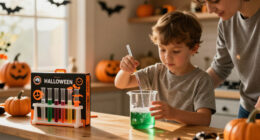
This checklist is for families, educators, and students putting together supplies for home science experiments. Start with the experiment itself and the learner’s age and experience; choose equipment that supports the activity and can be used with appropriate supervision. Safety comes first, especially when an experiment involves liquids, glass, or small parts.

Prime made for students and young adults
- Fast, free delivery for dorm and study essentials
- Prime Video and Amazon Music included
- Member-only deals
The sections follow the listed supplies, with practical guidance for goggles and notebooks alongside product picks for scales, beakers, microscopes, and pH strips. Each entry explains what to consider, common selection mistakes, and where size or compatibility may matter. Match supplies to the experiment rather than assuming one kit covers every activity.
Use the “Look for” points as a quick review before buying, then check the product details for dimensions, included components, and use instructions. Confirm that the equipment suits the student and the experiment, and plan for safe storage and cleanup. Adult supervision is a useful part of planning hands-on science at home.
Student Safety Goggles
Protective eyewear belongs near the top of a home science checklist because experiments can involve splashes, dust, or small pieces that may reach the eyes. Choose goggles intended to provide eye protection, with a fit that sits securely and comfortably on the student. A pair that slides, pinches, or leaves obvious gaps may be difficult to wear throughout an activity. Fit and coverage deserve attention before appearance or extras.
A common mistake is treating ordinary glasses or sunglasses as a substitute for protective goggles. Another is buying a single adult-sized pair for learners with different face sizes. Check the stated sizing and fit guidance, and consider whether the design works over prescription eyewear if that is needed. Before each experiment, review the activity instructions to determine what protective equipment is appropriate, and follow any directions for cleaning and storage. Use the activity guidance to decide what level of protection is needed.
What to look for:
- A secure, comfortable fit for the learner
- Coverage appropriate to the activity instructions
- Sizing guidance for children or adults
- Compatibility with prescription eyewear if needed
- Cleaning and storage instructions
Digital Pocket Scales
A digital pocket scale can help make measurements repeatable when an experiment calls for weighing small quantities. The listed pick is the RCBS Pocket Digital Scale 1500 Grain. Before choosing it, compare the experiment’s measurement units and expected sample sizes with the scale’s stated range and display increments. Check the specifications against the activity instead of assuming that any pocket scale suits every measurement.
A frequent buying mistake is focusing on the word “digital” or the product name while overlooking units, capacity, and how the reading is displayed. Read the listing for the supported units and operating instructions, then verify that students can interpret the results needed for the activity. Also consider where the scale will sit during use and whether the weighing surface accommodates the container or sample. Avoid placing materials directly on the scale unless its instructions allow it. Follow the manual for setup, handling, and care, and keep the device away from spills if the instructions do not describe it as suitable for wet conditions.
What to look for:
- Capacity that covers the activity’s samples and containers
- Display increments appropriate to the measurement
- Units that match the experiment instructions
- A weighing surface that fits the planned container
- Clear setup and care instructions
RCBS Pocket Digital Scale 1500 Grain
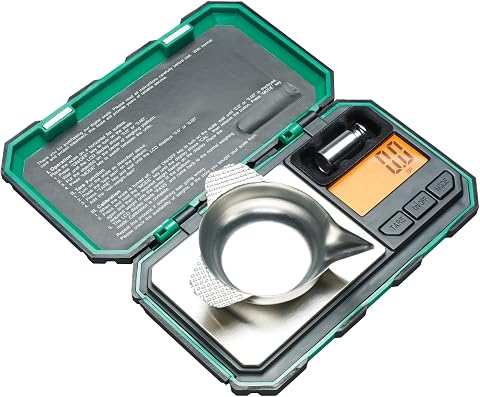
This compact digital scale has a 1500 grain capacity, ideal for weighing powder charges, bullets, and components. It provides 0.1 grain accuracy and includes a powder pan, check weight, and batteries, making it ready to use out of the box.
Pros:
- Compact and portable design
- High precision with 0.1 grain readability
- Includes necessary accessories and batteries
Cons:
- Limited to 1500 grains capacity, may not suit larger weighing needs
Best for: Experiments that call for weighing small samples
Not ideal for: Activities whose required range or units do not match the scale specifications
Bottom line: The RCBS Pocket Digital Scale 1500 Grain is a candidate when its stated units and capacity suit the experiment.
Glass Beaker Sets
Beakers give students containers for holding and working with liquids during appropriate experiments. The listed pick is the Frienda 30 Pcs Lab Glassware Beaker Set. With a set, the important question is whether its included sizes and pieces fit the planned activities and the available storage. Review the contents carefully; the set name alone does not establish which sizes or forms are included.
A common mistake is choosing a large set without checking the capacity of each beaker or assuming that glassware is suited to heating, measuring, or every chemical. Read the item details and any use guidance for each piece, and follow the experiment instructions and supervision requirements. Consider the learner’s ability to handle glass safely and where pieces can be stored to reduce the chance of breakage. Before use, inspect glassware for damage and follow the manufacturer’s care guidance. Confirm intended use rather than inferring it from appearance. If the activity calls for precise measurement or specialized glassware, verify that the included pieces meet that requirement.
What to look for:
- Included beaker sizes and capacities
- The number and types of pieces in the set
- Use limitations and care instructions
- Storage needs for fragile glassware
- A match between included pieces and planned activities
Frienda 30 Pcs Lab Glassware Beaker Set

This set includes 30 pieces of laboratory glassware such as beakers, graduated cylinders, glass stirring rods, droppers, and measuring cups in various sizes. Made of durable borosilicate glass, these tools are suitable for scientific experiments and laboratory use, featuring clear measurement scales for easy reading.
Pros:
- Complete set with multiple sizes for various experiments
- Made of durable, acid and alkali resistant borosilicate glass
- Clear measurement scales for easy reading
Cons:
- No individual item descriptions or specific use instructions
- Limited to laboratory and scientific use only
Best for: Activities that need multiple glass containers and suit the included pieces
Not ideal for: Experiments requiring specialized glassware not listed in the set details
Bottom line: Consider the Frienda 30 Pcs Lab Glassware Beaker Set after confirming its contents and intended uses.
Compound Microscopes
A compound microscope can support close observation of prepared samples in activities designed for that kind of instrument. The listed pick is the PalliPartners 40X-2000X Biological Compound Trinocular Microscope. Check the product details to understand the stated magnification options, included accessories, and setup requirements, then compare those with the student’s activities and experience. Match the microscope to the samples and learning goals rather than treating a larger number as a guarantee of suitability.
A common mistake is selecting by magnification range alone while overlooking whether the intended samples, slides, and accessories are compatible. Confirm what comes with the microscope and what must be obtained separately; the product name does not specify the full contents. Consider who will assemble, focus, and care for it, and whether the workspace can accommodate the instrument securely. Follow the supplied instructions for setup, handling, and cleaning, and use slides appropriate to the planned activity. Check included components before planning a lesson around them. If the experiment requires a particular viewing setup or sample preparation method, verify that the listing and instructions support it.
What to look for:
- Stated magnification options and operating guidance
- Included accessories and slide compatibility
- Setup requirements for the workspace
- Fit with the planned samples and activities
- Care instructions and learner experience
PalliPartners 40X-2000X Biological Compound Trinocular Microscope

This biological compound trinocular microscope offers a 40x to 2000x magnification range for home science, classroom teaching, and basic laboratory use. It features a double-layer stage, dual LED illumination, and coarse and fine focus knobs for clear specimen viewing.
Pros:
- Wide 40x-2000x magnification range for varied observation needs
- Dual LED illumination supports transparent and non-transparent specimens
- Coarse and fine focus knobs allow precise image adjustment
- Trinocular head enables camera connection and shared viewing
Cons:
- May be too advanced for very young children without supervision
- High-magnification viewing may require careful slide preparation and focusing
- Additional imaging device may be needed for documentation
Best for: Learners planning sample observations suited to a compound microscope
Not ideal for: Activities requiring accessories or capabilities not confirmed in the listing
Bottom line: Choose the PalliPartners microscope only after checking its included components and fit for planned samples.
pH Test Strip Kits
pH test strips offer a way to check samples in activities that call for pH observations. The listed pick is pHydrion 9800 Plastic pH Indicator Strips, 0.0 to 14.0, Flip Top Vial. Compare the stated range with the experiment’s requirements, and read the instructions to understand how to use and interpret the strips. Confirm the needed range before relying on a kit for a particular activity.
A common mistake is assuming that a strip’s listed range guarantees the level of detail an experiment needs. Check the product information for the color chart, instructions, and any stated limitations, and make sure the student can compare the result as directed. Consider whether the sample can be tested using the method described, and keep the strips stored as instructed. Do not assume the strips are reusable or suitable for every liquid; follow the product directions and the experiment’s safety guidance. Read the interpretation instructions before the activity so results are handled consistently. If a lesson requires a particular measurement method, confirm compatibility rather than inferring it from the product name.
What to look for:
- A stated pH range that covers the activity
- Instructions for using and reading the strips
- A color chart or interpretation guidance
- Storage directions for the vial and strips
- Compatibility with the planned sample and method
pHydrion 9800 Plastic pH Indicator Strips, 0.0 to 14.0, Flip Top Vial Packaging

These pH indicator strips provide immediate, accurate pH testing with bright, long-lasting colors. Packaged in a flip-top vial, each set contains 100 dip sticks with a matching color chart for easy reading.
Pros:
- Bright, long-lasting color indicators for easy reading
- Includes a matching color chart for accurate pH determination
- Convenient flip-top vial for storage and portability
- High quantity of strips per pack
Cons:
- Limited to pH testing only
- Color matching may vary slightly under different lighting conditions
Best for: Activities that call for pH checks within the stated range
Not ideal for: Experiments needing a measurement method or detail not confirmed by the product instructions
Bottom line: The pHydrion 9800 strips are a fit when their range and instructions match the activity.
Reusable Lab Notebooks
A lab notebook helps students keep a record of the question, procedure, observations, and conclusions for an experiment. For a reusable option, check what “reusable” means for the specific product and how pages are cleared or maintained. The format should make it easy for the learner to record dates, measurements, sketches, and changes to the procedure. Useful records matter more than a particular cover or page style.
A common mistake is choosing a notebook without checking whether its writing surface works with the available pens or markers, or whether entries can be saved before pages are cleared. Review the product’s instructions for writing, cleaning, and reuse, and consider whether the student needs a durable physical record for a class or project. Page layout and size also matter: learners should have enough room for tables and diagrams without making the notebook cumbersome to use. If the activity requires permanent records, follow the teacher’s or project’s documentation requirements. Check the recording method before the first experiment, and make sure students know how to preserve observations they will need later.
What to look for:
- A page layout with room for observations and sketches
- Clear instructions for writing and reuse
- Compatibility with the intended writing tools
- A way to preserve entries before pages are cleared
- Size and format suited to the learner’s activities
Build the checklist in an order that supports the planned activity: begin with required safety equipment, then gather the measurement or observation tools the experiment actually uses. Add containers and record-keeping supplies after checking the activity instructions and the learner’s needs. Prioritize essentials and confirm compatibility before filling gaps with extra equipment.
Home science can be approachable when supplies fit the experiment and students know how to use them. Read product instructions, prepare a suitable workspace, and supervise activities as appropriate for the learner and materials. Keep notes on what worked so the next project is easier to plan. Start with one activity, gather what it needs, and build the checklist over time.
Halloween Picks
halloween
As an affiliate, we earn on qualifying purchases.