

Choosing less can help you regain control and reduce decision fatigue caused by society’s push for more possessions, experiences, and achievements. When you simplify, you cut mental clutter, which boosts your confidence and contentment. Limiting options eases overwhelm and helps you focus on what truly matters, promoting peace and well-being. By shifting your mindset toward minimalism, you can discover lasting happiness and clarity—if you look deeper, you’ll discover how this approach transforms your life even more.

Prime made for students and young adults
- Fast, free delivery for dorm and study essentials
- Prime Video and Amazon Music included
- Member-only deals
Key Takeaways
- Limiting options reduces decision fatigue, leading to improved mental clarity and overall well-being.
- Overabundance triggers psychological overwhelm, hindering satisfaction and fostering regret.
- Embracing minimalism cultivates contentment by shifting focus from possessions to meaningful experiences.
- Simplification fosters mindfulness, enabling intentional choices and deeper appreciation of what truly matters.
- Reducing material consumption alleviates societal pressures, promoting peace and mental resilience.
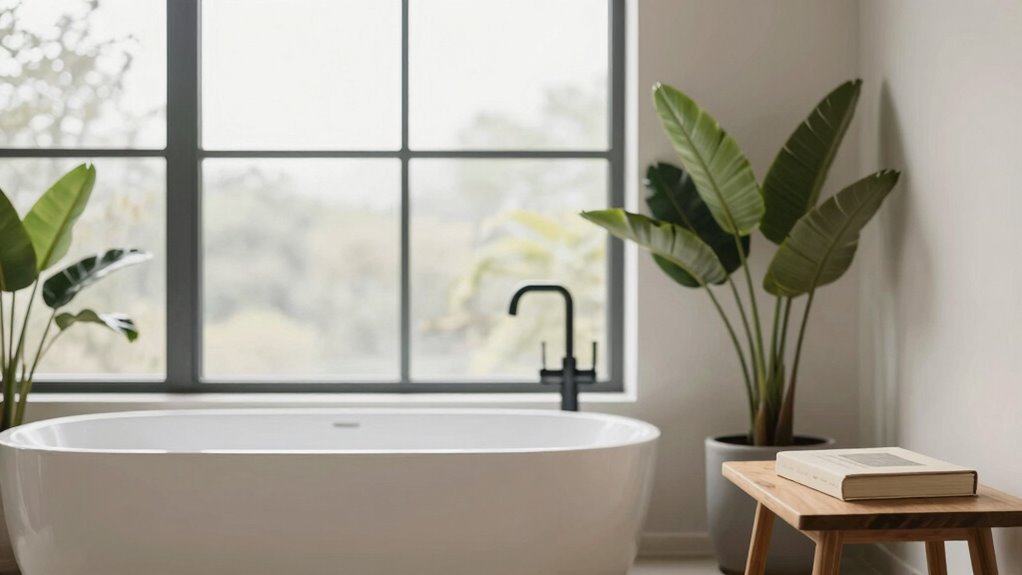
In a world that constantly promotes more—more possessions, more experiences, more achievements—choosing less can feel counterintuitive. Society urges you to accumulate material possessions, believing they’ll bring happiness and status. But the truth is, chasing after more often leads to decision fatigue. Every new purchase, every new commitment, drains your mental energy, making it harder to focus on what truly matters. When your mind is overwhelmed by endless choices, your ability to make clear, meaningful decisions diminishes. You might find yourself stuck in a cycle of buying things you don’t need just to fill a void, only to feel more exhausted afterward.
Choosing less isn’t about denying yourself; it’s about intentionally simplifying your life to regain control. When you reduce the number of material possessions, you cut down on clutter and mental clutter alike. This creates space for reflection, growth, and genuine fulfillment. Instead of constantly juggling possessions, you start to value quality over quantity. You recognize that owning fewer things allows you to invest more in experiences and relationships that truly enrich your life. As you do this, decision fatigue begins to lessen, and you become more confident about your choices. With fewer distractions and less mental clutter, you can focus on what genuinely aligns with your values and goals.
The psychology behind choosing less also highlights how your brain reacts to abundance. When faced with countless options, your decision-making process becomes overwhelmed, leading to indecision or regret. By intentionally limiting choices—whether that’s only keeping essential material possessions or setting boundaries around commitments—you give your mind a break. This mental clarity makes it easier to prioritize what’s important and to resist societal pressures to keep up with others. Over time, you start to see that living better isn’t about having more but about appreciating what you already have. Your sense of contentment grows as you shed the weight of excess. Additionally, understanding the impact of decision fatigue on your mental health can motivate you to adopt habits that promote clarity and well-being. Recognizing the importance of mental clutter can help reinforce the benefits of simplification. Exploring mindful choices can further enhance your ability to live intentionally. Cultivating awareness of your psychological responses to abundance can help you develop healthier habits around consumption and decision-making. Developing a mindset shift towards minimalism can further reinforce your commitment to living intentionally and peacefully.
Ultimately, choosing less transforms your relationship with possessions and decision-making. It’s a conscious act that fosters peace and clarity. When you simplify, you free yourself from the cycle of materialism and decision fatigue, allowing you to focus on what truly matters—your well-being, your passions, and your connections. Living better becomes less about accumulating and more about appreciating. It’s a mindset shift that empowers you to live intentionally, with less stress and more fulfillment.
minimalist decluttering storage bins
As an affiliate, we earn on qualifying purchases.
As an affiliate, we earn on qualifying purchases.
Frequently Asked Questions
How Does Societal Pressure Influence Our Desire for Excess?
Societal pressure, driven by consumerism culture and peer comparison, influences your desire for excess by suggesting that more possessions equate to happiness and status. You might feel compelled to keep up with others, believing that owning more will boost your self-esteem and social standing. This constant comparison fuels a cycle of unnecessary consumption, making it harder to focus on meaningful living rather than material accumulation.
Can Reducing Possessions Improve Mental Health?
Think of reducing possessions as clearing a foggy mirror; it sharpens your mental clarity. When you cut down on emotional clutter, you create space for self-identity to flourish, leading to less anxiety and more peace. By decluttering, you ease your mind’s load, fostering better mental health. Less becomes more, allowing your true self to shine without the distraction of excess.
What Role Does Mindfulness Play in Minimalism?
Mindfulness plays a vital role in minimalism by enhancing your inner awareness and grounding you in the present moment. When you practice mindfulness, you become more intentional about what you bring into your life, helping you detach from excess and clutter. This awareness encourages you to prioritize quality over quantity, making it easier to live simply and find fulfillment in the present, ultimately supporting your minimalist lifestyle.
How Do Personal Values Impact Lifestyle Choices?
Your personal values are like a GPS guiding your lifestyle choices—if you ignore them, you’re probably lost in a sea of clutter or chaos. When you align your actions with your core beliefs, you become your authentic self, making decisions that truly matter. It’s not about what society dictates but about living intentionally, embracing what resonates with your inner values, and creating a life that feels genuinely meaningful.
Is Living Simply Sustainable Long-Term?
Living simply is sustainable long-term when you develop eco-conscious habits and aim for financial independence. By reducing consumption, you lower your environmental impact and create a more stable, manageable lifestyle. Prioritizing quality over quantity helps you avoid unnecessary expenses, supporting financial freedom. Staying intentional with your choices and continuously adapting your habits guarantees that your simple living approach remains viable and fulfilling for years to come.
decision fatigue reducing planner
As an affiliate, we earn on qualifying purchases.
As an affiliate, we earn on qualifying purchases.
Conclusion
So, next time you’re tempted to chase after more, remember that less can truly be more. Simplifying your life isn’t just about decluttering; it’s about freeing your mind and soul. Embrace the wisdom of a bygone era, like a Victorian thinker, and realize that happiness often comes not from possessions, but from clarity and purpose. Choose less, live better, and watch your world become richer in ways you never imagined.
quality over quantity home decor
As an affiliate, we earn on qualifying purchases.
As an affiliate, we earn on qualifying purchases.
As an affiliate, we earn on qualifying purchases.
Evergreen bestsellers Picks
bestsellers
As an affiliate, we earn on qualifying purchases.