
To declutter sustainably, start by recycling electronics at designated e-waste centers or retailer programs to keep hazardous materials out of landfills. Donate clothes that are still in good condition to charity to extend their life and reduce textile waste. Consider the lifecycle of items before disposal, opting for recycling or repurposing when possible. Using eco-friendly disposal methods helps protect the environment. Keep exploring for more tips to make your cleanout even more eco-conscious.
Key Takeaways
- Donate clothing in good condition to charities, reducing textile waste and supporting those in need.
- Recycle electronics, textiles, plastics, and metals through designated community programs to recover valuable materials responsibly.
- Evaluate items for usefulness or repair before disposal, prioritizing recycling or repurposing when possible.
- Use certified e-waste recyclers and participate in local collection events to ensure environmentally sound disposal.
- Declutter regularly to maintain an organized space, prevent hazardous waste in landfills, and promote sustainable reuse practices.

Have you ever wondered how decluttering can be both simple and sustainable? It’s easier than you think when you focus on eco-friendly methods that benefit both your space and the environment. One of the best ways to start is by recycling electronics properly. Old gadgets, chargers, and batteries often contain materials that shouldn’t end up in the trash. Instead of throwing them away, look for designated e-waste recycling centers or retailers that accept electronics for responsible disposal. Recycling electronics prevents hazardous substances from polluting landfills and allows valuable materials like metals to be reused. This simple step reduces environmental harm and promotes sustainable waste management. Additionally, many communities have specialized collection events for electronics recycling, making it even more convenient to dispose of your devices responsibly.
Another effective eco-friendly decluttering tip involves donating unused clothes. Chances are, you have garments that no longer fit or suit your style but are still in good condition. Instead of tossing them out, consider donating them to local charities or clothing drives. Your unused clothes can provide warmth and comfort to someone in need, giving them a second life. Plus, donating helps reduce textile waste, which is a significant environmental concern. It’s a conscious choice that supports sustainability by extending the lifespan of clothing and decreasing demand for fast fashion. When you donate, you also free up space in your closet, making your environment neater and more inviting.
As you work through your belongings, think about the lifecycle of each item. If it’s truly no longer useful or repairable, opt for recycling options instead of trashing it. Many communities offer recycling programs for textiles, plastics, and metals, making it easy to dispose of items responsibly. For clothing, some organizations even repurpose fabric into cleaning rags or insulation, adding another eco-friendly layer to your decluttering efforts. When it comes to electronics, look for certified e-waste recyclers who follow environmentally sound procedures, ensuring that hazardous substances are handled safely and materials are recovered for reuse.

Amazon Smart Thermostat – Save money and energy - Works with Alexa and Ring - C-wire required
Smart upgrade - Amazon Smart Thermostat is an easy way to switch from a traditional thermostat and help...
As an affiliate, we earn on qualifying purchases.
Frequently Asked Questions
How Can I Ensure My Donations Are Environmentally Responsible?
To guarantee your donations are environmentally responsible, focus on sustainable donation practices by choosing an eco-conscious charity that prioritizes eco-friendly methods. Research organizations that recycle or refurbish items instead of discarding them, and avoid charities with excessive packaging or wasteful processes. By selecting eco-conscious charities and donating items in good condition, you help reduce waste, support sustainability, and maximize your positive impact on the environment.
What Are Eco-Friendly Ways to Recycle Fragile or Hazardous Items?
You should prioritize proper chemical disposal for fragile or hazardous items by taking them to certified hazardous waste facilities. Avoid throwing them in regular trash or recycling bins, as this can harm the environment. Contact local waste management agencies to find safe disposal options. Remember, handling hazardous waste responsibly not only protects your community but also guarantees you’re recycling these items in an eco-friendly way.
How Do I Find Local Recycling Centers Accepting Specific Materials?
Finding local recycling centers that accept specific materials might seem like a treasure hunt, but it’s easier than you think. Use a recycling center locator online to pinpoint nearby facilities. First, identify your materials’ specifics, then search by material type to guarantee proper disposal. Many centers have websites with detailed info—saving you time and effort. With a little effort, you’ll turn your clutter into eco-friendly waste management.
Can I Repurpose or Upcycle Items Instead of Donating or Discarding?
Yes, you can definitely repurpose or upcycle items instead of donating or discarding them. By exploring DIY crafts and creative reuse ideas, you transform old objects into something new and useful. For example, turn glass jars into planters or old T-shirts into cleaning rags. This approach reduces waste, saves money, and adds a personal touch to your space. Plus, it’s a fun way to give items a second life.
What Are the Best Practices for Reducing Waste During a Declutter?
Think of yourself as a steward of the Earth. To reduce waste during decluttering, practice minimal waste by carefully material sorting, separating recyclables, compostables, and trash. Use reusable bags and containers, avoid single-use items, and donate or repurpose items when possible. This mindful approach minimizes landfill contributions, conserving resources, and keeps your space—and the planet—clean and green. Your efforts make a meaningful difference in creating a sustainable environment.
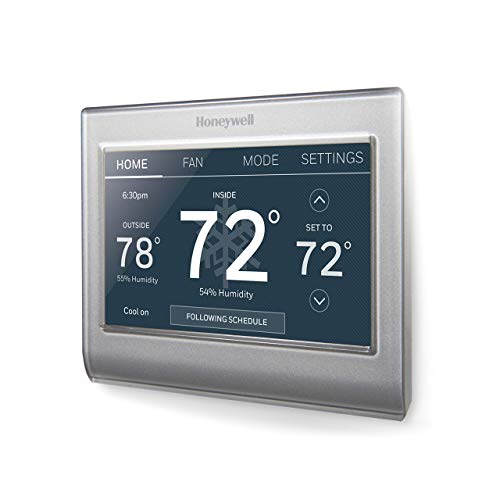
Honeywell Home RTH9585WF1004 Wi-Fi Smart Color Thermostat, 7 Day Programmable, Touch Screen, Energy Star, Alexa Ready, Gray
COMFORT COMES IN YOUR COLOR. Personalize your Wi-Fi Smart Color Programmable Thermostat to fit your décor.
As an affiliate, we earn on qualifying purchases.
Conclusion
As you breathe in the fresh, crisp air of your now clutter-free space, imagine sunlight streaming through cleaner windows, illuminating eco-friendly choices you’ve made. Each item you’ve thoughtfully recycled or donated adds to a brighter, greener future. Your sustainable cleanout isn’t just about tidying up — it’s about creating a sanctuary that nurtures both your well-being and the planet. Embrace this new chapter, knowing your effort leaves a lasting, positive ripple in the world around you.

Google Nest Thermostat - Smart Thermostat for Home - Programmable Wifi Thermostat - Snow
ENERGY STAR certified smart thermostat for home that helps you save energy and stay comfortable.Product note: You can...
As an affiliate, we earn on qualifying purchases.

meross Smart Thermostat for Home, WiFi Thermostat Works with Matter, Alexa, Apple Home, Google Assistant, App & Voice Control, 7x24h Scheduling, Energy Saving, C-Wire Required
Before You Buy: Meross smart thermostat for home is suitable for 95% of HVAC systems, including heat pump,...
As an affiliate, we earn on qualifying purchases.