

The sharing economy makes it easy for you to borrow, rent, and share resources, which helps cut down on waste and promotes sustainable living. By sharing items like tools, bikes, or entertainment devices, you reduce the need for multiple purchases and decrease environmental impact. This approach also strengthens your community bonds and supports local businesses. Keep exploring how this movement can transform your daily life and enhance sustainability.
Key Takeaways
- Sharing economy promotes borrowing, renting, and sharing, reducing individual ownership and waste.
- It fosters stronger community connections and cooperation among neighbors and local businesses.
- Sharing resources decreases manufacturing demand, lowering environmental impact and conserving natural resources.
- Community pooling of items enhances resource efficiency and supports sustainable lifestyles.
- Sharing platforms enable access to goods and services while promoting environmental conservation and economic resilience.

Have you ever wondered how sharing economy platforms are transforming your daily routines? These innovative systems encourage you to borrow, rent, and share instead of owning everything outright. At first glance, it might seem like just a convenient way to save money or access items you need temporarily. But dig a little deeper, and you’ll see that they’re also making a significant difference in your community and the environment. When you participate in sharing economy platforms, you’re actively contributing to a positive community impact. By sharing resources, you foster stronger connections among neighbors and local businesses. Instead of each person buying a power drill or a bicycle, your community can pool resources, reducing the need for multiple units of the same item. This collective approach promotes a sense of trust and cooperation, creating a more connected neighborhood. It also helps local economies thrive, as small businesses and individual owners can reach more customers without the overhead costs of traditional retail.
Sustainability benefits are another compelling reason to embrace this way of living. When you borrow or rent items instead of purchasing new ones, you’re helping reduce waste and the demand for manufacturing. Manufacturing processes often involve significant resource consumption, pollution, and energy use. By sharing items, you decrease the number of products that need to be produced, ultimately lowering your carbon footprint. For example, renting a car for a weekend instead of owning one means fewer vehicles on the road, less parking space needed, and reduced emissions. Additionally, sharing platforms tend to promote the reuse of goods, extending their lifespan and preventing them from ending up in landfills prematurely. This shift toward reuse and shared consumption aligns perfectly with sustainability goals, helping to conserve natural resources for future generations. Moreover, the use of advanced projector technology in home entertainment demonstrates how innovation can support sustainable lifestyles by offering efficient and versatile options for leisure.

AQUASTRONG Swimming Pool Heat Pump,Electric Pool Heater for Above Ground and Inground Pool,Heating and Cooling Pool Heater Pools Up to, 5000 Gallons
All-Season Pool Comfort: Featuring innovative dual-mode temperature control, this heat pump precisely heats water between 59–104°F or within...
As an affiliate, we earn on qualifying purchases.
Frequently Asked Questions
How Do Sharing Platforms Ensure User Safety and Trust?
Sharing platforms guarantee your safety and build trust by implementing user verification processes like ID checks and background screenings. They also use trust-building measures such as review systems, ratings, and secure payment options. These features help you feel confident in your interactions, encouraging positive experiences. By fostering transparency and accountability, platforms make it easier for you to share resources safely, reducing concerns and promoting ongoing participation.
What Legal Issues Are Associated With Sharing Economy Activities?
You might think sharing is simple, but liability concerns and regulatory compliance make it complicated. You face legal issues like unclear liability if something goes wrong and managing diverse regulations across regions. It’s ironic that while sharing aims to reduce waste, legal hurdles can stall or complicate these efforts. Staying compliant and understanding liability is essential to avoid costly disputes and ensure a smooth, trustworthy sharing experience.
How Does Sharing Economy Impact Traditional Retail Businesses?
You might notice that the sharing economy causes retail disruption, shifting consumer preferences away from traditional stores. As you increasingly borrow, rent, and share, your loyalty to retail brands could decline, leading to decreased sales for brick-and-mortar businesses. This change encourages retailers to innovate and adapt, but it also challenges their ability to retain customers who prefer the flexibility and cost savings offered by sharing platforms.
Are Sharing Economy Services Accessible in Rural Areas?
Yes, sharing economy services are becoming more accessible in rural areas, but it depends on local rural infrastructure and digital literacy. You might find limited options if internet access is poor or if residents aren’t comfortable with technology. To improve access, communities need better rural infrastructure and digital literacy programs, making it easier for you to borrow, rent, and share resources, ultimately reducing waste and fostering sustainable living.
How Can Individuals Monetize Their Unused Belongings Effectively?
Imagine turning your unused belongings into cash—sounds tempting, right? To do this effectively, explore smart monetization strategies like listing items on sharing platforms or renting out tools and equipment. Keep your inventory management organized to track what’s available and avoid double bookings. Stay proactive, price competitively, and promote your offerings. With these steps, you can quickly start earning from your unused belongings and maximize their value.

Rinnai REHP50 Electric Heat Pump Water Heater – 50 Gallon, 240V, 30A, Energy Star Certified, 3.75 UEF, 73 Gallon First Hour Delivery for Residential Use
Energy-efficient performance: Energy Star Certified. Extracts heat from ambient air to deliver consistent hot water with zero emissions...
As an affiliate, we earn on qualifying purchases.
Conclusion
Imagine a world where every item you borrow, rent, or share makes a real difference. As you embrace the sharing economy, you’re not just saving money—you’re helping reduce waste and protect our planet. But what if the true power lies in your hands? The next move could change everything. Are you ready to unleash a future where sharing becomes your daily habit? The choice is yours—are you in?

AQUASTRONG Inverter Swimming Pool Heat Pump,Pool Heater for Above Ground and Inground Pool Heating Smart WiFi Control and Cooling Pool Heater Pools Up to, 9000 Gallons
Extend Your Swim Season: The pool heat pump features a dual-mode heating and cooling system that maintains optimal...
As an affiliate, we earn on qualifying purchases.
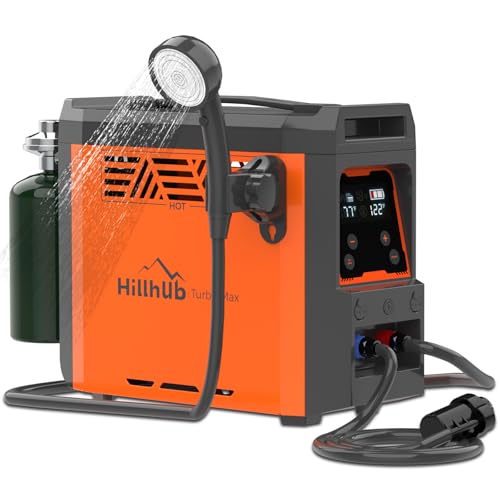
Hillhub Portable Propane Water Heater for Camping, Instant Hot Water Heater On Demand with 4000mAh Battery for Outdoor Showering and Cleaning, Included Water Pump & Showerhead
【3s Instant Heating】 Boasting 20,500 BTU ultra-heating efficiency, camping water heater delivers lightning-fast heating in just 3 seconds,...
As an affiliate, we earn on qualifying purchases.