In green buildings and smart homes, you benefit from eco-friendly materials like bamboo flooring and reclaimed wood, reducing resource use and improving indoor air quality. Automated systems monitor and control lighting and temperature, helping you save energy effortlessly. Combining renewable materials with smart technology allows natural regulation of humidity and temperature, lowering your utility bills and environmental impact. Keep exploring to discover how these innovations can make your home more sustainable and comfortable.
Key Takeaways
- Integration of renewable materials like bamboo and reclaimed wood enhances sustainability and indoor air quality.
- Automated systems monitor and optimize lighting and temperature to reduce energy consumption.
- Sensors detect sunlight and humidity to adjust shading and natural ventilation effectively.
- Natural materials work with technology to regulate indoor climate, lowering reliance on artificial systems.
- Combining eco-friendly materials with automation supports energy efficiency and promotes healthier living environments.
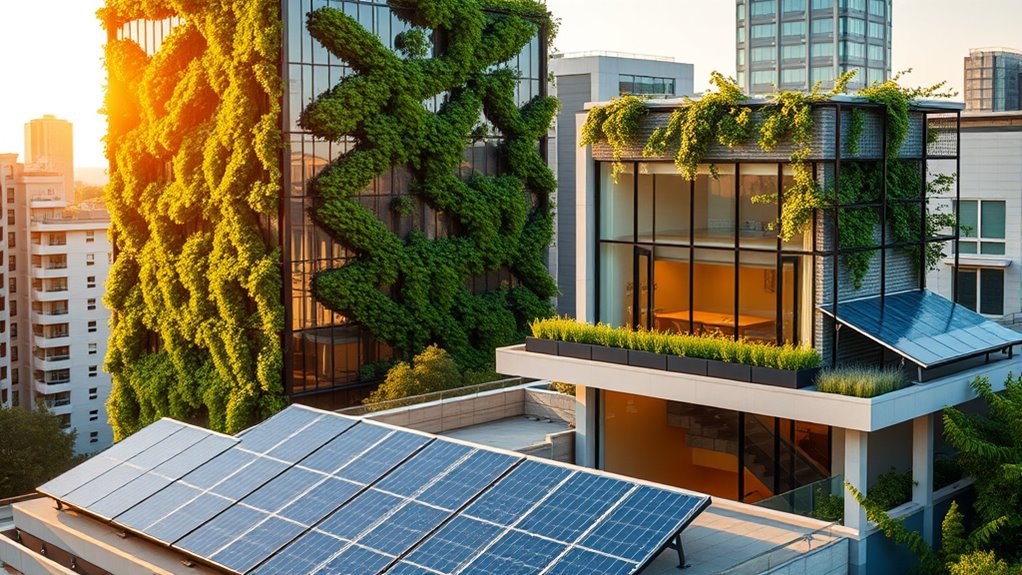
Green buildings and smart homes are transforming the way we live by combining eco-friendly design with advanced technology. One of the key ways they achieve energy efficiency is through the use of renewable materials. These materials, like bamboo flooring, recycled steel, and reclaimed wood, reduce reliance on finite resources and help minimize environmental impact. When you choose renewable materials for your home, you’re not only supporting sustainability but also enhancing indoor air quality and durability. Incorporating these elements into your space can make a noticeable difference in your carbon footprint, aligning your lifestyle with eco-conscious values.
Alongside renewable materials, automated systems play a pivotal role in creating energy-efficient environments. These systems intelligently monitor and control various aspects of your home, from lighting to temperature regulation. For example, smart thermostats learn your schedule and preferences, adjusting the temperature to conserve energy when you’re away or asleep. Automated lighting systems turn off unused lights or dim based on natural daylight, reducing unnecessary electricity consumption. When you integrate these technologies, you’re actively participating in energy conservation without sacrificing comfort. Automated systems provide convenience and efficiency, making it easier to maintain a sustainable lifestyle.
Automated systems optimize lighting and temperature, making energy-saving effortless and enhancing your sustainable lifestyle.
The synergy between renewable materials and automated systems is what truly sets green buildings and smart homes apart. Imagine your home built with sustainable materials that naturally regulate humidity and temperature, reducing the need for excessive heating or cooling. Automated systems can optimize these natural properties, further lowering energy usage. For instance, sensors can detect sunlight and adjust blinds or shading devices accordingly, keeping your home comfortable while saving energy. This integrated approach ensures that your home operates at peak efficiency, reducing utility bills and environmental impact simultaneously.
Beyond environmental benefits, these innovations also enhance your overall quality of life. You benefit from healthier indoor air, improved comfort, and a sense of contributing to a more sustainable future. The use of renewable materials often results in fewer toxins, creating a safer environment for you and your family. Automated systems provide real-time feedback and control, empowering you to make smarter choices about your energy consumption. As technology continues to evolve, the combination of renewable materials and automation will become even more seamless, making energy-efficient living more accessible and practical.
In addition, advancements in environmental innovations are driving the development of smarter and more sustainable building practices worldwide. Embracing renewable materials and automated systems in your home allows you to be part of a larger movement toward sustainability. You get to enjoy modern comforts while reducing your environmental impact, proving that eco-friendly living and technological innovation go hand in hand. This approach not only benefits your home but also contributes to a healthier planet for future generations.

Amazon Smart Thermostat – Save money and energy – Works with Alexa and Ring – C-wire required
Smart upgrade – Amazon Smart Thermostat is an easy way to switch from a traditional thermostat and help…
As an affiliate, we earn on qualifying purchases.
As an affiliate, we earn on qualifying purchases.
Frequently Asked Questions
What Are the Initial Costs of Implementing Green Building Technologies?
Your initial investments in green building technologies vary depending on the project size and chosen systems, but generally, technology costs can be higher upfront compared to traditional construction. You might spend more initially on energy-efficient materials, smart systems, and renewable energy setups. However, these higher initial costs often lead to significant savings over time through reduced energy bills and maintenance, making the investment worthwhile in the long run.
How Do Smart Home Systems Integrate With Existing Infrastructure?
Smart home systems seamlessly integrate with your existing infrastructure through home automation. They connect via compatible protocols like Wi-Fi, Zigbee, or Z-Wave, ensuring smooth communication with your current wiring and devices. You simply install compatible hubs or controllers, and the system automates lighting, climate control, and security. This compatibility makes upgrading easy, allowing you to enjoy smarter living without extensive rewiring or major renovations.
What Are the Long-Term Maintenance Costs for Energy-Efficient Systems?
Your long-term maintenance costs for energy-efficient systems can be manageable if you consider factors like solar maintenance and insulation durability. Solar panels typically require minimal upkeep, mostly cleaning and occasional checks, while high-quality insulation lasts longer, reducing replacement costs. Staying proactive with regular inspections and timely repairs helps keep expenses predictable. Overall, investing in durable materials and routine maintenance saves you money over time and guarantees your systems operate efficiently.
How Do Green Buildings Impact Indoor Air Quality?
Imagine stepping into a sanctuary where fresh air flows like a gentle breeze, soothing your lungs. Green buildings improve indoor air quality by reducing indoor pollutants and employing advanced ventilation strategies that circulate clean, filtered air. This creates a healthier environment, protecting you from airborne irritants. With every breath, you feel more energized and at ease, knowing smart design choices actively nurture your well-being and foster a space where you truly thrive.
Are There Government Incentives for Adopting Smart Home Technologies?
Yes, you can benefit from government grants and tax incentives when adopting smart home technologies. These programs aim to promote energy efficiency and sustainability, making it more affordable for you to upgrade your home. By applying for these incentives, you can reduce the overall cost of installing smart systems, improve your home’s energy performance, and enjoy long-term savings while contributing to environmental conservation.
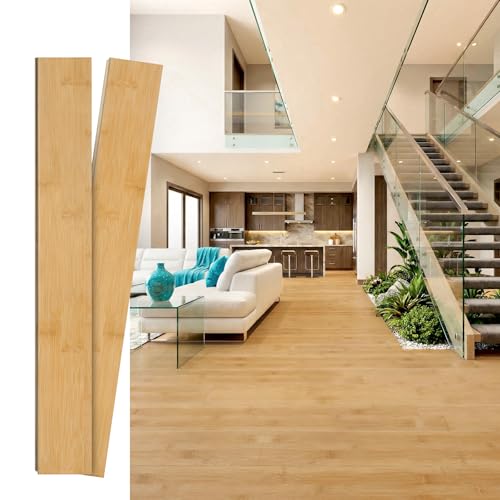
JEEDESON Solid Bamboo Hardwood Flooring Planks, 37.8" x 3.78" x 0.6", Easy Tongue & Groove Floating Floor for Living Room Bedroom Study Room, 20 Planks (19.84 Sq Ft), Light Honey
Jeedeson Natural Carbonized Bamboo Flooring Jeedeson bamboo flooring is crafted from 100% natural bamboo,Each plank features slight variations…
As an affiliate, we earn on qualifying purchases.
As an affiliate, we earn on qualifying purchases.
Conclusion
Imagine your home as a living, breathing partner working in harmony with the environment. Green buildings and smart homes are like a symphony of innovation, turning everyday spaces into energy-saving masterpieces. By embracing these technologies, you’re not just upgrading your living space—you’re planting seeds for a sustainable future. Together, you and your smart home can dance in tune with nature, creating a brighter, greener world where efficiency blossoms at every turn.

The Automated Lighting Programmer's Handbook
As an affiliate, we earn on qualifying purchases.
As an affiliate, we earn on qualifying purchases.
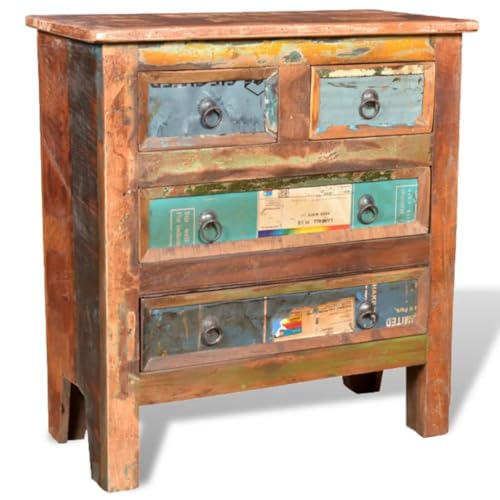
vidaXL Vintage Cabinet Multicolor Reclaimed Solid Wood Medium Storage
【Prop 65 Warning】: Complies with California Proposition 65 warning for cancer and reproductive harm
As an affiliate, we earn on qualifying purchases.
As an affiliate, we earn on qualifying purchases.