
TL;DR

Get school and study supplies delivered free — and shop member deals
- Fast, free delivery on millions of items
- Access to Prime Big Deal Days deals on October 6–7
- Prime Video, Amazon Music and more included
Recent studies indicate that psychoactive drugs may have significantly contributed to the rise of ancient Andean civilizations. The exact extent and nature of this influence remain under investigation, but interest in this theory is rising.
Recent scholarly attention has focused on the potential role of psychoactive drugs in the formation and development of ancient Andean civilizations. While traditional narratives emphasize environmental and social factors, new evidence suggests that the use of mind-altering substances may have influenced cultural, religious, and political structures during this period. This emerging perspective is drawing increased interest from researchers and the public alike.
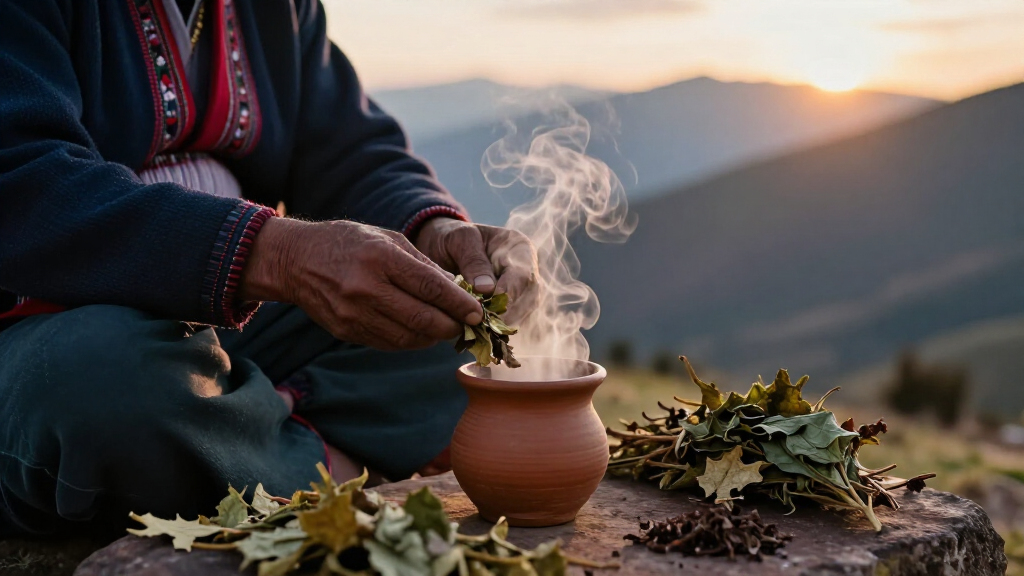
Historical and archaeological studies have identified the use of various psychoactive plants and substances in pre-Columbian Andean societies, including coca, San Pedro cactus, and other entheogenic plants. Evidence from burial sites, iconography, and botanical remains indicates these substances may have been integral to ritual practices, social cohesion, and leadership roles.
Recent interdisciplinary research, combining ethnobotany, archaeology, and anthropology, suggests that such substances could have facilitated altered states of consciousness, enabling spiritual experiences, visionary leadership, and collective identity formation. These factors may have contributed to societal cohesion and political stability, thereby supporting the rise of complex civilizations such as the Incas and their predecessors.
However, much of this evidence remains interpretive, and scholars caution against overestimating the influence of psychoactive substances without further corroboration. The precise mechanisms by which these drugs might have impacted societal development are still under investigation, and some experts emphasize the need for more direct archaeological evidence.
Implications of Psychoactive Substances in Ancient Societies
This research could reshape understanding of how cultural and religious practices influenced societal development in the Andes. If psychoactive drugs played a significant role, it would suggest that spiritual and altered states of consciousness were central to political authority and social cohesion in ancient times. This insight has broader implications for understanding the origins of complex societies and the role of substances in human history.
Moreover, recognizing the importance of these substances may influence current perspectives on indigenous practices and their cultural significance, fostering greater appreciation and respect for traditional knowledge systems. It also raises questions about the extent to which altered states contributed to technological, artistic, and social innovations in early civilizations.
As an affiliate, we earn on qualifying purchases.
Historical Use of Psychoactive Plants in the Andes
Archaeological findings have documented the use of psychoactive plants such as coca leaves, San Pedro cactus, and others dating back thousands of years in Andean cultures. These substances were often used in religious rituals, divination, and leadership ceremonies, as evidenced by iconography and botanical residues found in ancient sites.
Previous research has focused on the medicinal and ritualistic aspects of these plants, but recent scholarship suggests they may have also played a role in shaping societal structures. The link between drug use and social hierarchy, spiritual authority, and political power is increasingly being explored.
Interest in this topic has surged amid broader investigations into the origins of complex civilizations, driven by new analytical techniques and interdisciplinary approaches. However, definitive proof of causality remains elusive, and much of the current understanding is based on circumstantial evidence and interpretation.
As an affiliate, we earn on qualifying purchases.
Unconfirmed Aspects of Psychoactive Influence in Society
Many of the claims regarding the role of mind-altering drugs in the rise of Andean civilizations remain speculative. There is limited direct evidence linking drug use to specific societal outcomes, and interpretations often rely on circumstantial archaeological findings. The extent to which these substances influenced political or cultural development is still debated among scholars.
Further research is needed to establish causal relationships, including more precise dating, residue analysis, and comparative studies across different sites and cultures.
As an affiliate, we earn on qualifying purchases.
Future Research Directions and Ongoing Investigations
Researchers plan to conduct more detailed residue analyses on archaeological artifacts, aiming to identify specific psychoactive compounds and their contexts. Excavations at key sites are expected to yield additional evidence to clarify the role of these substances.
Interdisciplinary collaborations between archaeologists, ethnobotanists, and anthropologists are likely to expand, offering a more nuanced understanding of how psychoactive drugs may have shaped societal development in the Andes. The debate remains open, and new discoveries could significantly alter current interpretations.
As an affiliate, we earn on qualifying purchases.
Key Questions
What specific psychoactive plants were used in ancient Andean societies?
Evidence points to the use of coca leaves, San Pedro cactus, and possibly other entheogenic plants in ritual and social contexts.
How strong is the evidence linking drug use to societal development?
The evidence is largely circumstantial, based on archaeological findings and iconography, but direct causal links remain unconfirmed.
Could drug use have influenced leadership or religion in these societies?
Scholars suggest that psychoactive substances may have facilitated spiritual experiences and leadership rituals, but definitive proof is still lacking.
Why is this research significant now?
Growing interest in the origins of complex societies and the role of consciousness in cultural development has propelled this line of investigation, with recent technological advances enabling new analyses.
Source: hn
Fall Picks
fall essentials
As an affiliate, we earn on qualifying purchases.