
Transparency reports now play a vital role in showing you how fashion brands source materials, reduce waste, and guarantee fair labor practices. They provide concrete evidence of sustainability efforts, like eco-friendly fibers and recycled materials, while holding companies accountable for their environmental and ethical commitments. These reports help you see beyond claims and spot greenwashing, fostering trust. If you want to understand how brands are truly working toward more responsible fashion, keep exploring this evolving landscape.
Key Takeaways
- Transparency reports provide verifiable data on sourcing, environmental impact, and ethical labor practices in fashion supply chains.
- They enable brands to demonstrate accountability and distinguish genuine sustainability efforts from greenwashing.
- These reports foster consumer trust by showcasing long-term commitments and ongoing progress toward ethical standards.
- They facilitate monitoring and compliance with environmental and labor regulations across production stages.
- Transparency reports support continuous improvement by setting measurable goals and publicly tracking sustainability performance.
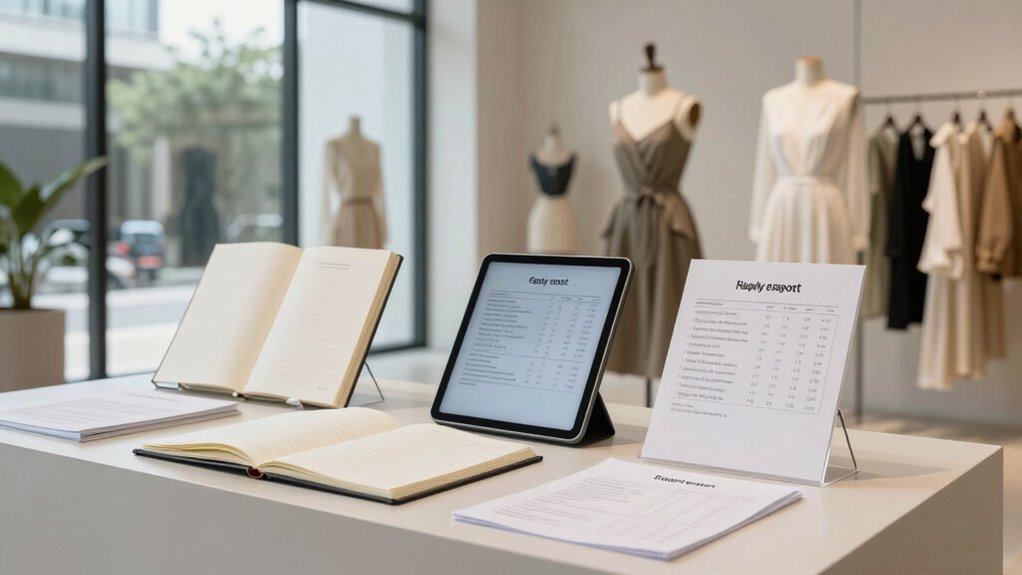
Sustainable sourcing is a key component of these reports. You’re likely to see details about how a brand sources raw materials, whether they’re using eco-friendly fibers, or if they’ve implemented practices to reduce waste and energy consumption. It’s not enough to claim sustainability; transparency reports provide concrete evidence of efforts to minimize environmental impact. This might include information on suppliers’ adherence to environmental standards, certifications, or initiatives to use recycled materials. When you review these reports, you gain insights into whether a brand genuinely commits to reducing its ecological footprint or if it’s just greenwashing. Additionally, they often highlight supply chain transparency, showing how thoroughly brands monitor and report on their sourcing practices. Ethical labor is just as critical. As a consumer, you’re increasingly aware that the fashion industry has faced criticism for poor working conditions and unfair wages. Transparency reports give you visibility into how brands ensure their factories uphold ethical labor standards. They often detail audits, worker rights policies, and efforts to eliminate exploitation. If a brand is serious about ethical labor, its report might highlight partnerships with fair-trade organizations or third-party certifications that verify safe and fair working environments. Furthermore, transparency reports can also shed light on traceability, giving consumers confidence that each step of the production process aligns with ethical and sustainability standards. This openness helps you assess whether the brand truly values the well-being of the people involved in making their products. A comprehensive transparency report can also demonstrate a brand’s commitment to accountability, reinforcing trust with consumers who prioritize ethical and sustainable practices. Additionally, transparency reports can offer insights into a brand’s long-term sustainability goals, providing a clearer picture of their future commitments.

NATURAL FABRIC DYEING: Master Eco-Friendly Techniques to Create Stunning Plant-Based Colors for Clothing, Crafts, and Home Textiles
As an affiliate, we earn on qualifying purchases.
As an affiliate, we earn on qualifying purchases.
Frequently Asked Questions
How Do Transparency Reports Influence Consumer Purchasing Decisions?
Transparency reports considerably influence your purchasing decisions by building consumer trust and highlighting a brand’s commitment to ethical branding. When you see detailed information about sourcing, labor practices, and environmental impact, you feel more confident in supporting responsible companies. This transparency encourages you to choose brands aligned with your values, fostering loyalty and making ethical choices easier. Ultimately, transparency reports help you make informed decisions that support sustainability and social responsibility.
Are Transparency Reports Mandatory for All Fashion Brands?
Not all fashion brands are required to publish transparency reports, but it’s becoming increasingly common. About 60% of consumers now prioritize ethical sourcing, pushing brands to reveal supply chain details. Transparency reports help brands showcase their commitment to ethical sourcing and sustainable supply chains. While not mandatory everywhere, many companies voluntarily produce these reports to build trust and meet consumer expectations for accountability and responsible practices.
How Often Are Transparency Reports Updated by Fashion Companies?
You’ll find that many fashion companies update their transparency reports annually or semi-annually to guarantee transparency about their supply chain and ethical sourcing practices. This regular updating helps you assess how well brands adhere to ethical standards and improve accountability. By keeping reports current, companies demonstrate their commitment to responsible practices, allowing you to make more informed and conscious choices about the brands you support in the fashion industry.
What Challenges Do Brands Face When Creating Transparency Reports?
You face challenges like supply chain complexity and data accuracy when creating transparency reports. Managing diverse suppliers across regions makes gathering thorough information difficult. Ensuring data accuracy is tough, especially with inconsistent record-keeping and communication gaps. These issues can delay report preparation and impact credibility. To overcome this, you need robust tracking systems and clear communication channels, which require time, effort, and commitment from your team.
Can Transparency Reports Improve Sustainability Practices in Fashion?
Transparency reports can revolutionize sustainability in fashion, and you’ll see this firsthand in how they reveal your supply chain and ethical sourcing practices. By openly sharing details, you push your brand toward zero waste and unethical labor. This accountability fuels genuine improvements, inspiring others to follow suit. Ultimately, transparency reports become your most powerful tool for fostering sustainable practices, making your brand a beacon of change in the industry.

Upcycled Jewelry: 35 beautiful projects made from recycled materials
Cico Books-Upcycled Jewelry, Bags, Belts & More
As an affiliate, we earn on qualifying purchases.
As an affiliate, we earn on qualifying purchases.
Conclusion
As you embrace transparency reports, you open a window into the often-hidden world of fashion. They’re like a lighthouse guiding consumers through foggy waters, revealing truths behind brands and supply chains. By demanding openness, you become part of a movement steering the industry toward accountability and sustainability. Keep shining that light—because in the race for ethical fashion, transparency is your brightest compass, illuminating a path toward a more honest, responsible future.
ethical labor certification clothing
As an affiliate, we earn on qualifying purchases.
As an affiliate, we earn on qualifying purchases.

Humble Hilo Soft Sustainable Art Scarf (Mid Century, Blue Blocks)
FEATURES: Humble Hilo’s Sustainable Art Scarf is a lightweight, breathable neck scarf and ladies scarf made from 100%…
As an affiliate, we earn on qualifying purchases.
As an affiliate, we earn on qualifying purchases.