Regenerative fashion goes beyond sustainability by actively restoring ecosystems and supporting ethical labor practices. It focuses on creating closed-loop systems that replenish resources, protect biodiversity, and foster community empowerment. This approach aims to heal the environment while ensuring fair wages and safe conditions for workers. If you want to understand how you can make a positive impact through the clothes you choose, there’s much more to explore here.
Key Takeaways
- Regenerative fashion actively restores ecosystems and communities, going beyond sustainability to create positive environmental and social impacts.
- It emphasizes regenerative agriculture and sustainable sourcing that replenish resources and enhance biodiversity.
- Prioritizes ethical labor practices, fair wages, and transparency throughout the supply chain.
- Encourages industry shifts toward long-term ecological balance and social equity.
- Sees clothing as part of a larger system, promoting practices that heal and sustain the planet for future generations.
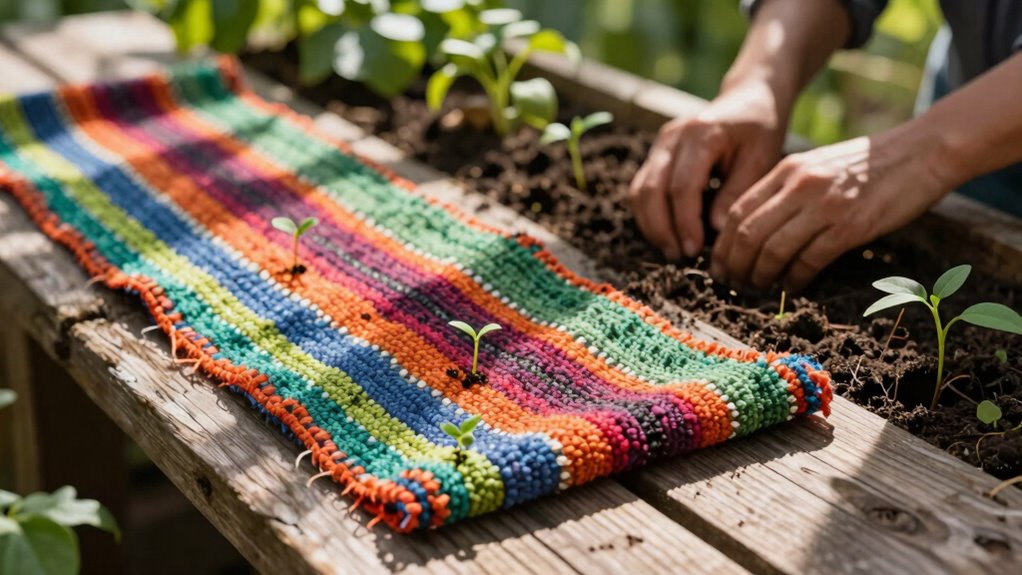
Have you ever wondered how fashion can heal rather than harm the planet? The answer lies in embracing regenerative fashion—a movement that goes beyond sustainability to actively restore ecosystems and communities impacted by traditional manufacturing. It’s about creating a cycle where fashion not only minimizes harm but also contributes positively to the environment and society. At the core of this approach is sustainable sourcing, guaranteeing that raw materials are obtained in ways that replenish natural resources and protect biodiversity. Instead of depleting soil or water, regenerative fashion promotes practices like regenerative agriculture, where crops like organic cotton or hemp are grown using methods that improve soil health. This not only reduces reliance on harmful chemicals but also enhances the land’s ability to sequester carbon, fighting climate change. Incorporating biodiversity conservation into sourcing practices ensures that a variety of species and natural habitats are preserved alongside agricultural efforts. Additionally, adopting regenerative farming techniques can significantly amplify the positive environmental impact of textile production. These practices are supported by innovative techniques that prioritize soil regeneration and ecosystem health, aligning with the core principles of regenerative fashion. Supporting these methods also helps to foster ecosystem resilience, ensuring that natural systems remain stable and productive over time.
Regenerative fashion restores ecosystems through sustainable sourcing and agriculture, fighting climate change and promoting biodiversity.
Equally vital is the focus on ethical labor. When you choose regenerative fashion, you support brands that prioritize fair wages, safe working conditions, and respect for workers’ rights. Ethical labor practices ensure that those who make your clothes are treated with dignity and compensated fairly for their efforts. This approach recognizes the human side of fashion, transforming it from a disposable commodity into a means of empowering communities. By committing to fair trade principles, regenerative fashion advocates for transparency throughout the supply chain, making sure that every hand involved in production benefits from the process. Supporting ethical manufacturing encourages a more just and sustainable industry, fostering positive change across the globe. Recognizing the entire supply chain as a holistic system is crucial for understanding how each part contributes to the overall impact.
You start to see that regenerative fashion isn’t just about the materials or the finished product; it’s about fostering a relationship between the environment, the people involved, and the clothing itself. It encourages brands to rethink their entire supply chain—from sourcing raw materials to manufacturing and distribution—placing equal importance on ecological health and human welfare. When you support regenerative brands, you’re actively participating in a shift toward a system that values long-term ecological balance and social equity. This might mean choosing garments made from organic, regeneratively farmed fibers or purchasing from companies that operate with transparent, fair labor practices. Every choice you make influences the industry to adopt more regenerative models.
In essence, regenerative fashion challenges you to see clothing as a part of a larger ecological and social system. It asks you to think about where your clothes come from, how they were made, and who benefits from their creation. By prioritizing sustainable sourcing and ethical labor, you help foster a fashion industry that heals rather than harms—one that restores ecosystems, empowers workers, and ultimately nurtures a healthier planet for future generations.
organic cotton regenerative clothing
As an affiliate, we earn on qualifying purchases.
As an affiliate, we earn on qualifying purchases.
Frequently Asked Questions
How Is Regenerative Fashion Different From Sustainable Fashion?
Regenerative fashion goes beyond sustainable fashion by actively restoring and improving ecosystems through fashion innovation and ethical sourcing. While sustainable fashion minimizes harm, regenerative practices aim to heal the environment, promote biodiversity, and support communities. You embrace regenerative fashion by choosing brands that prioritize these practices, helping to create a positive impact on the planet. It’s about moving past just being “less bad” and actively making fashion better for future generations.
What Are the Main Environmental Benefits of Regenerative Practices?
By adopting regenerative practices, you considerably improve soil health and promote biodiversity preservation. These methods restore degraded land, increase organic matter, and foster resilient ecosystems. As a result, your fashion choices help reduce environmental impact, support cleaner water, and enhance carbon sequestration. Ultimately, you contribute to a healthier planet where ecosystems thrive, ensuring sustainable resources for future generations while making your wardrobe more eco-conscious.
Can Regenerative Fashion Be Affordable for Consumers?
Regenerative fashion can be affordable if you consider the bigger picture, like a garden blooming after careful nurturing. By doing a thorough cost analysis and focusing on consumer accessibility, brands can reduce prices without sacrificing sustainability. As demand grows, economies of scale and innovative practices make eco-friendly options more budget-friendly. So, with conscious choices and industry shifts, regenerative fashion is becoming a more accessible, sustainable choice for everyone.
How Do Brands Verify Their Regenerative Claims?
You can verify a brand’s regenerative claims by checking their supply chain transparency and whether they undergo ethical certification processes. Brands committed to authenticity openly share detailed information about their sourcing and production methods. Look for third-party certifications like B Corp, Fair Trade, or Regenerative Organic Certification, which validate their sustainability efforts. This way, you guarantee they genuinely prioritize regenerative practices rather than just marketing claims.
What Materials Are Commonly Used in Regenerative Fashion?
In regenerative fashion, you’ll find materials like natural fibers—such as organic cotton, hemp, and linen—that support sustainable farming practices. You’ll also see a focus on circular design, which encourages recycling and reusing materials to reduce waste. These materials help create clothing that not only minimizes environmental impact but also promotes soil health and biodiversity. By choosing products made from natural fibers and designed with circular principles, you contribute to a regenerative system.
fair trade sustainable fashion
As an affiliate, we earn on qualifying purchases.
As an affiliate, we earn on qualifying purchases.
Conclusion
So, the next time you choose your outfit, remember: regenerative fashion isn’t just a trend—it’s a call to action. By supporting brands that heal the planet and honor its resources, you become part of a cycle that renews rather than depletes. Think of your choices as seeds; plant them wisely, and watch a future where fashion and nature thrive together. Isn’t it time your wardrobe tells a story worth sharing?
biodiversity friendly textiles
As an affiliate, we earn on qualifying purchases.
As an affiliate, we earn on qualifying purchases.
ethical labor certified clothing
As an affiliate, we earn on qualifying purchases.
As an affiliate, we earn on qualifying purchases.