
Sustainable fashion often costs more upfront due to fair wages, eco-friendly materials, and transparent supply chains, which can seem expensive initially. However, consumer support for ethical brands drives innovation and efficiency, potentially lowering costs over time. As demand grows, supply chains may become more streamlined, making sustainable options more affordable. If you want to understand how these economic shifts impact the industry and why sustainability can pay off long-term, keep exploring.
Key Takeaways
- Ethical fashion increases supply chain costs due to fair wages, sustainable materials, and transparency, impacting product pricing.
- Growing consumer demand for sustainable products encourages brands to innovate and potentially reduce long-term supply chain expenses.
- Supporting ethical brands fosters economies of scale, making sustainable fashion more affordable over time.
- Consumer willingness to pay premiums for ethical products incentivizes brands to optimize sustainable supply chain practices.
- Ethical fashion promotes industry resilience and long-term economic benefits through responsible sourcing and market shifts.

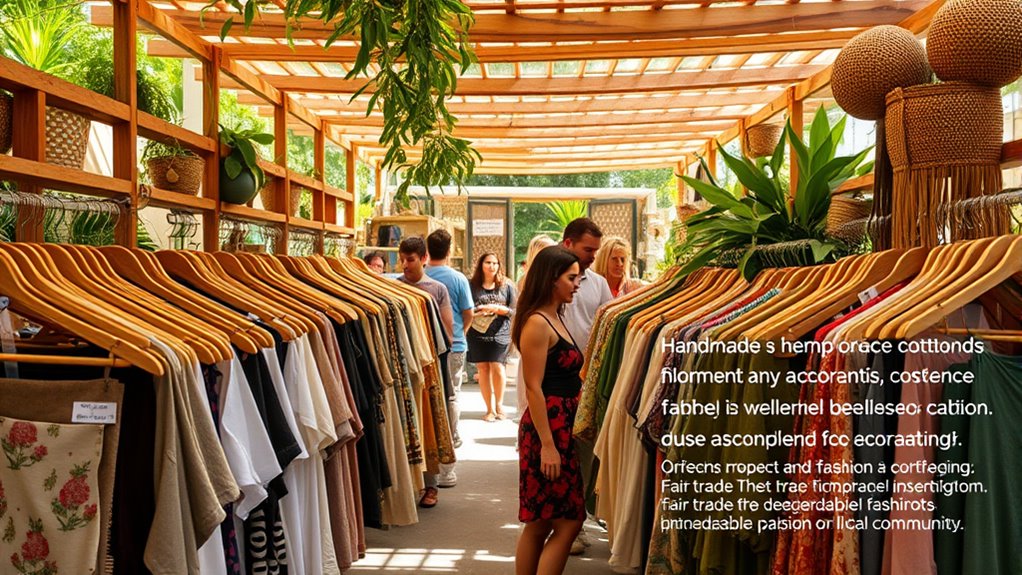
Have you ever wondered how ethical fashion impacts the economy? When you choose brands that prioritize sustainability, you’re not just making a statement; you’re influencing complex economic factors like supply chain costs and consumer behavior. Ethical fashion typically involves fair wages, environmentally friendly materials, and transparent sourcing. These practices often mean higher supply chain costs because companies need to pay fair wages, ensure safe working conditions, and source sustainable materials, all of which can be more expensive than conventional options. But while these costs might seem like a hurdle, they actually shape your purchasing choices and the broader market in meaningful ways. When consumers like you support ethical brands, it encourages more companies to rethink their supply chains, potentially leading to innovations that reduce costs over time. This shift can gradually make sustainable fashion more accessible and affordable, creating a ripple effect across the industry.
Your buying habits play a critical role in this economic landscape. Consumer behavior is shifting as awareness about environmental and social issues grows. More people are willing to pay a premium for products that align with their values, understanding that ethical fashion often means better quality and longer-lasting items. This willingness to invest in ethically produced clothing helps justify the higher supply chain costs faced by brands, making it sustainable from a business perspective. As demand for ethically sourced products increases, companies are motivated to increase their transparency and improve their supply chain practices, which can lead to economies of scale. Over time, this could balance or even surpass the initial added costs, making sustainable fashion not just ethical but also economically viable for brands. Additionally, the adoption of eco-friendly conversion options in supply chains and manufacturing processes can further drive down costs and improve sustainability.
Furthermore, your perception of value shifts when you become more conscious of how your choices affect the economy. Instead of solely chasing the lowest prices, you’re increasingly considering factors like labor rights, environmental impact, and the long-term sustainability of your wardrobe. This change in consumer behavior pushes brands to innovate and optimize their supply chains, driving down costs while maintaining ethical standards. It’s a dynamic process where your preferences directly influence economic outcomes. The shift toward ethical fashion isn’t just about doing good; it’s about reshaping the market in ways that can lead to more sustainable and resilient economic models. Your choices matter more than you might think, and by supporting ethical brands, you’re helping to balance the higher supply chain costs with the benefits of a more responsible and sustainable industry.
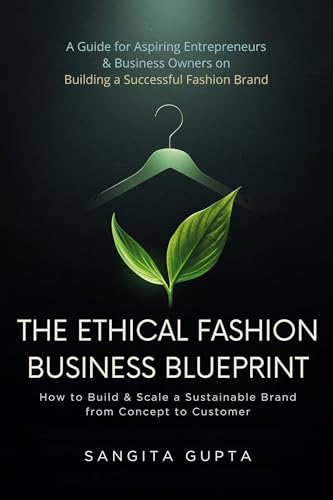
The Ethical Fashion Business Blueprint: How to Build & Scale a Sustainable Brand from Concept to Customer: A Guide for Aspiring Entrepreneurs & Business … Fashion Brand (Fashion Metaverse)
As an affiliate, we earn on qualifying purchases.
As an affiliate, we earn on qualifying purchases.
Frequently Asked Questions
How Do Consumers Influence Sustainable Fashion Pricing?
You influence sustainable fashion pricing through your consumer awareness and demand for ethical products. When you prioritize brands that are transparent about their sourcing and production practices, you encourage companies to invest in sustainable materials and fair labor. Your purchasing choices create market pressure, prompting brands to offer more affordable, eco-friendly options. By supporting transparent brands, you help shift the industry towards sustainability and fair pricing that reflects true ethical value.
What Government Policies Support Ethical Fashion Industries?
Government policies support ethical fashion industries through incentives and regulations that promote sustainability. You benefit when governments implement incentives like tax breaks, grants, and subsidies encouraging eco-friendly practices. Regulatory frameworks set standards for fair labor, environmental protection, and material sourcing, ensuring accountability. These policies create a level playing field, motivate innovation, and help your favorite brands prioritize ethical production methods, ultimately making sustainable fashion more accessible and trustworthy for consumers like you.
Are There Specific Regions Leading in Sustainable Fashion?
You’ll find that regions like Scandinavia and South Asia are leading in sustainable fashion, driven by regional innovations and cultural influences. Scandinavian countries prioritize eco-friendly materials and circular designs, while South Asia integrates traditional techniques with sustainable practices. These regions set trends by combining innovation with local cultural values, inspiring global brands to adopt more sustainable approaches. Their leadership showcases how regional efforts can shape the future of ethical fashion worldwide.
How Do Supply Chain Complexities Affect Ethical Fashion Costs?
Supply chain complexities considerably raise ethical fashion costs by increasing labor costs and complicating sourcing transparency. When you navigate multiple suppliers and regions, it becomes harder to guarantee fair labor practices and trace materials. These challenges often lead to higher expenses, which you might need to pass on to consumers. However, prioritizing sourcing transparency helps you identify ethical partners, ultimately balancing costs with your brand’s sustainability commitments.
What Are the Long-Term Economic Benefits of Sustainable Practices?
You’ll see long-term economic benefits through ethical sourcing, sustainable investment, and brand loyalty. These practices reduce costs from waste, improve supplier relationships, and attract conscious consumers. You gain a competitive edge by building trust and reputation, which leads to increased sales and market share. Embracing sustainability isn’t just ethical; it’s strategic, ensuring your business stays resilient, innovative, and profitable for years to come.

HQP Earth Day Shirt Women Respect Your Mother Letter Print T Shirt Earth Day Eco Friendly Gift Causal Tees Tops Green
Material: Made from breathable and stretchy fabric, this Earth Day shirt is lightweight, soft, and breathable, ensuring all-day…
As an affiliate, we earn on qualifying purchases.
As an affiliate, we earn on qualifying purchases.
Conclusion
So, next time you splurge on that eco-friendly hoodie, remember—you’re not just saving the planet, you’re investing in a future where your wardrobe might finally outlive its 100-wash lifespan. Who knew that choosing sustainability could turn your closet into a goldmine? Maybe someday, ethical fashion will be so profitable, even your old T-shirts will be asking for a return on their ‘green’ investment. Until then, keep shopping smart—and maybe, just maybe, save the planet one paycheck at a time.

WP West Path Men's 100% Organic Cotton T-Shirt – Fair Trade Certified Shirts – Mens Cotton Tees – Solid Color T Shirt (4 Pack, Large, Beige/Black/Blue/Rust)
Soft & Breathable 100% Organic Cotton T Shirt
As an affiliate, we earn on qualifying purchases.
As an affiliate, we earn on qualifying purchases.

SPOT Bam-Bones Bone – Made with Strong Bamboo Fiber, Durable Long Lasting Dog Chew for Light to Moderate Chewers, Great Toy for Adult Dogs & Teething Puppies under 40lbs, 7.25in, Chicken Flavor
Durable long-lasting chew toy
As an affiliate, we earn on qualifying purchases.
As an affiliate, we earn on qualifying purchases.