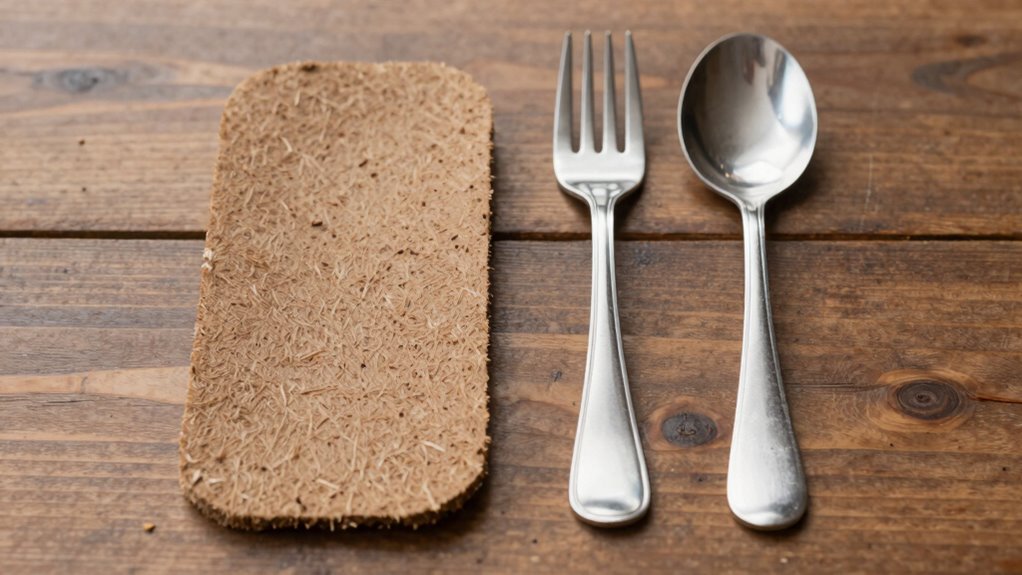

Compostable products are designed to break down quickly into natural elements under proper composting conditions, returning nutrients to the soil. In contrast, durable alternatives are made to last a long time, often from plastic or metal, which can persist in the environment for hundreds of years if not managed correctly. While compostables support sustainability by reducing waste, resilient items focus on longevity. To understand how each impacts the environment, explore further.

Prime made for students and young adults
- Fast, free delivery for dorm and study essentials
- Prime Video and Amazon Music included
- Member-only deals
Key Takeaways
- Compostable products break down into natural elements within a specific timeframe, unlike durable alternatives that are designed to last long-term.
- They are made from renewable, plant-based resources, whereas resilient options often rely on non-renewable materials like plastics and metals.
- Proper composting conditions are essential for compostables to decompose effectively, while durable items may persist in the environment if improperly disposed of.
- Compostables support soil health by returning nutrients to the environment, whereas resilient products can cause pollution if not recycled properly.
- Lifecycle considerations show compostables aim to minimize environmental impact through rapid biodegradation, contrasting with the longevity of durable products.

Have you ever wondered whether choosing compostable products over resilient alternatives truly benefits the environment? It’s a question many people ask, especially as sustainability becomes a bigger concern. When you evaluate these options, understanding their differences in biodegradation processes and material sourcing helps clarify their environmental impacts. Compostable products are designed to break down into natural elements within a specific timeframe, typically under composting conditions. This process involves microbes, fungi, and other organisms that decompose organic material, returning nutrients back to the soil. In contrast, resilient alternatives—like plastic or metal—are built to last, often taking hundreds of years to decompose, if at all, and may require specialized facilities to do so.
Choosing between compostable and resilient products depends on lifecycle, biodegradation, and material sourcing considerations.
The key difference lies in biodegradation processes. Compostable items are engineered to undergo rapid biodegradation, transforming into compost that enriches the soil. This process minimizes waste accumulation and reduces landfill overflow. However, for compostable products to break down properly, they need the right conditions—such as sufficient moisture, temperature, and microbial activity—found in industrial composting facilities or well-managed home composts. If these conditions aren’t met, they might not decompose as intended, leading to confusion about their true environmental benefit. On the other hand, resilient alternatives are meant to last without breaking down quickly, which means they don’t contribute to immediate waste but can persist in the environment for centuries, causing pollution and harming wildlife.
Material sourcing is another critical factor. Compostable products are often made from renewable resources like plant-based fibers, cornstarch, or other organic materials, making their sourcing more sustainable. These raw materials are typically grown specifically for production, and when managed responsibly, can have a lower environmental footprint. Resilient options, however, frequently rely on non-renewable resources such as fossil fuels, especially in plastics, or mined materials like metals. The extraction and processing of these materials can cause environmental degradation, pollution, and energy consumption. Additionally, biodegradation processes differ significantly from the durability of resilient products, which can influence their environmental impact over time. While resilient products might last longer and reduce the frequency of replacement, their production often involves significant environmental costs. Understanding the entire lifecycle** of each product can help consumers make choices that better align with sustainability goals. Proper disposal and recycling infrastructure can significantly influence the environmental benefits of resilient products, just as responsible management is crucial for compostable items to fulfill their promise of returning nutrients to the soil. Recognizing the importance of material sourcing and lifecycle management can guide consumers toward more environmentally responsible choices, ultimately supporting sustainability efforts. Additionally, awareness of decomposition conditions can help ensure compostable products are disposed of properly to maximize their environmental advantages. Ultimately, understanding these differences helps you make more informed decisions** aligned with your environmental values.
biodegradable compostable food storage containers
As an affiliate, we earn on qualifying purchases.
As an affiliate, we earn on qualifying purchases.
Frequently Asked Questions
Are Compostable Products Safe for All Food Types?
Compostable products are generally safe for most food types, but you should consider food safety and material compatibility. Some compostable materials work better with certain foods, especially those with high moisture or acidity. Always check manufacturer labels for specific food compatibility to guarantee safety. While they’re eco-friendly, using the right compostable product for your food prevents contamination and maintains food safety standards.
How Long Does It Take for Compostable Products to Biodegrade?
Imagine a race against time—your compostable products typically biodegrade within 90 to 180 days, depending on composting conditions. The biodegradation timeline varies based on factors like temperature, moisture, and microbial activity. When you provide ideal composting conditions, these products break down faster, giving nature a helping hand. So, patience and proper environment are key to ensuring your compostables return to the earth swiftly and safely.
Can Compostable Products Be Recycled With Plastics?
You can’t recycle compostable products with plastics because they follow different processes. Plastics recycling involves melting and reprocessing, while composting guidelines specify that compostables break down naturally in compost. Mixing them can contaminate recycling streams or hinder composting efforts. Always check product labels and disposal instructions to guarantee you’re following proper composting guidelines and keeping compostables out of plastic recycling bins.
Do Durable Products Have a Lower Environmental Impact?
Durable products usually have a lower environmental footprint over their lifecycle because they last longer and reduce waste. When you compare lifecycle impacts, durable items often need fewer replacements, decreasing resource use and emissions. However, their production can be more energy-intensive. So, while they may have a lower environmental footprint in the long run, it’s crucial to take into account how often you use and recycle them to make the best sustainable choice.
Are Compostable Products Cost-Effective for Large-Scale Use?
Think of compostable products as the new kid on the block—cost-effective for large-scale use? Not quite yet. You’ll need to weigh the cost analysis against scalability challenges, as these products often cost more upfront and face hurdles in widespread adoption. While they’re eco-friendly, making them financially viable at scale requires innovations in manufacturing and supply chains. So, for now, they’re a promising but still evolving solution.
durable reusable water bottles stainless steel
As an affiliate, we earn on qualifying purchases.
As an affiliate, we earn on qualifying purchases.
Conclusion
In the end, choosing between compostable products and durable alternatives is like deciding whether to embrace the simplicity of a well-worn quill or the modernity of a sleek keyboard. While compostables help you cut waste and save the planet, durable items offer longevity and reliability. Consider your needs, your values, and maybe channel a bit of your inner Renaissance thinker—balance tradition with innovation. After all, every choice shapes our future, just as every scribe shapes history.
compostable trash bags large size
As an affiliate, we earn on qualifying purchases.
As an affiliate, we earn on qualifying purchases.
eco-friendly plant-based dinnerware set
As an affiliate, we earn on qualifying purchases.
As an affiliate, we earn on qualifying purchases.
Fall Picks
fall essentials
As an affiliate, we earn on qualifying purchases.