
Pollinator protection is still urgent because their decline threatens your food security, ecosystem health, and biodiversity. Without healthy pollinator populations, many fruits, vegetables, and nuts may disappear, impacting your diet. Urban activities and pesticide use further harm their habitats and survival. By supporting habitat creation and better regulations, you can help reverse these trends. If you want to understand how you can make a difference, there’s more to discover here.

Prime made for students and young adults
- Fast, free delivery for dorm and study essentials
- Prime Video and Amazon Music included
- Member-only deals
Key Takeaways
- Pollinator decline threatens global food security by reducing crop yields of fruits, vegetables, and nuts.
- Urbanization and pesticide use continue to destroy pollinator habitats and harm beneficial insect populations.
- Without protection, many plant species risk extinction, disrupting ecosystems and biodiversity.
- Proper regulation and alternative pest management are essential to prevent further pollinator losses.
- Creating pollinator-friendly spaces and supporting research are critical for reversing downward trends.
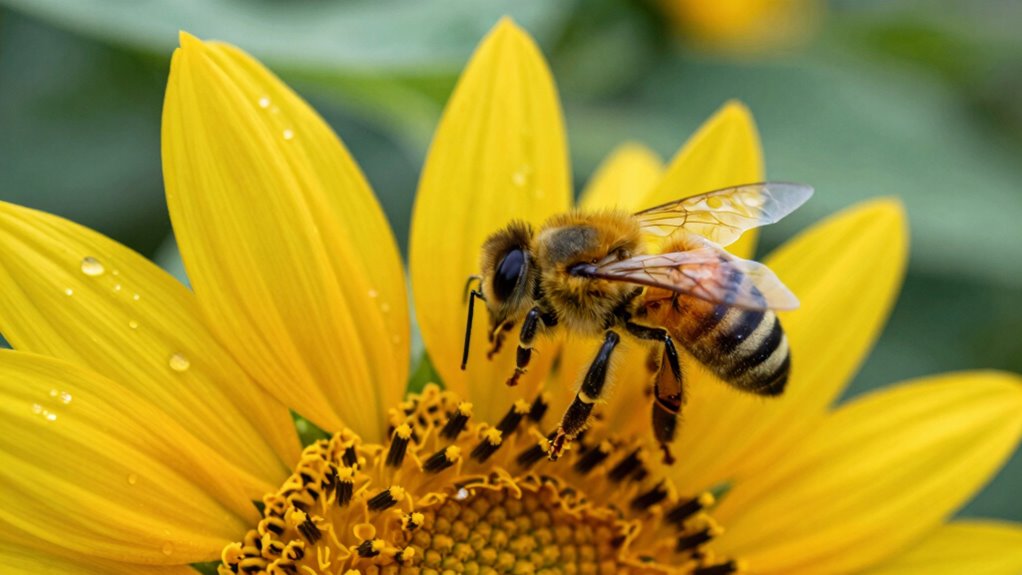
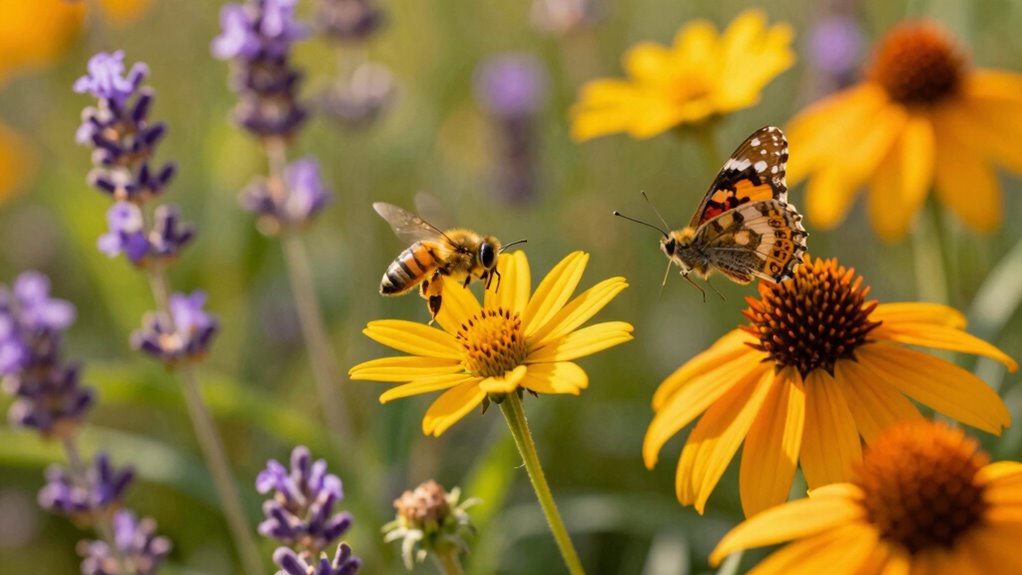
Despite growing awareness, protecting pollinators remains an urgent priority because their decline threatens global food security and ecosystem health. Pollinators, including bees, butterflies, and other insects, play a vital role in fertilizing plants that produce fruits, vegetables, and nuts. Without their steady work, our food supply becomes fragile, and many plant species risk disappearing. While efforts to raise awareness have increased, the challenges pollinators face are still significant, especially in urban environments where human activity is dense and persistent. Protecting their populations requires targeted efforts and effective policies.
Protecting pollinators is crucial for food security and ecosystem health amid urban challenges.
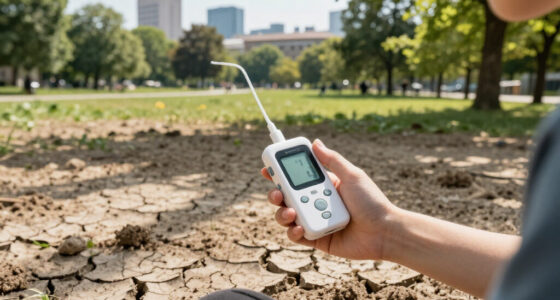
Urban agriculture has gained popularity as a sustainable way to produce food locally, reduce transportation emissions, and reconnect communities with nature. However, as you may know, urban farms and community gardens often use pesticides to protect crops from pests. These chemicals, if not carefully regulated, can be harmful to pollinators that visit urban green spaces. Pesticide regulation is crucial in ensuring that the pesticides used are less toxic to beneficial insects while still effectively managing pests. Striking this balance requires strict policies and careful application practices so that pollinators aren’t inadvertently harmed in the process of growing food.
You can make a difference by supporting policies that regulate pesticide use and promote safer alternatives. Many regions are implementing restrictions on the most harmful chemicals, but enforcement varies, and some products still pose risks. When pesticides are overused or misapplied, they can wipe out entire pollinator populations, which then impacts plant reproduction and local biodiversity. As someone invested in sustainable living, you might advocate for integrated pest management—methods that reduce reliance on chemical pesticides and emphasize biological controls, habitat enhancement, and crop rotation. These practices help protect pollinators while maintaining healthy urban farms.
Additionally, creating pollinator-friendly spaces within urban settings is essential. Planting native flowering plants, avoiding pesticide use, and establishing green corridors can provide vital feeding and nesting habitats. Your involvement in community initiatives or supporting local policies that prioritize bee-friendly practices can foster healthier ecosystems. It’s important to remember that protecting pollinators isn’t just about individual actions; it also requires systemic changes in how we manage urban agriculture and regulate pesticides. Promoting biodiversity within urban environments can significantly contribute to resilient pollinator populations. Incorporating pollinator habitats into city planning can further support their survival and recovery.
By supporting research on pollinator health, we can better understand the threats they face and develop more effective conservation strategies. Ultimately, the fight to safeguard pollinators continues because their decline jeopardizes our food systems and natural environments. By advocating for stronger pesticide regulation and integrating pollinator-friendly practices into urban agriculture, you help build resilient ecosystems. Every effort counts—whether it’s supporting policy changes, planting bee-friendly gardens, or spreading awareness—because the health of pollinators directly influences the health of the planet. Your actions can contribute to reversing their decline and ensuring a sustainable future.
Popular right now

Vitamix Propel Series 750 Professional-Grade Blender, 4 Programs, Black

Shark Navigator Robot Vacuum with Self-Empty Base, Dark Grey (RV2120AE)

KitchenAid Classic Series 4.5-Quart Tilt-Head Stand Mixer, Onyx Black
As an affiliate, we earn on qualifying purchases.
Frequently Asked Questions
How Do Pollinators Affect Global Food Security?
Pollinators directly impact your food security by enabling the production of fruits, vegetables, and nuts. When pollinator diversity declines, it weakens ecosystem resilience, making food systems more vulnerable to pests and climate change. By protecting pollinators, you help maintain healthy ecosystems that support diverse crops, ensuring a steady food supply. Their role is crucial for sustainable agriculture and your access to nutritious, affordable food.
What Are the Most Endangered Pollinator Species?
You should know that some of the most endangered pollinator species include certain bees like the rusty patched bockerel bee, and specific butterflies like the regal fritillary. Their decline is driven by habitat loss and invasive species that outcompete native pollinators. Protecting pollinator habitat and controlling invasive species are crucial steps to guarantee these essential species survive, which in turn supports healthy ecosystems and global food security.
How Can Urban Areas Support Pollinator Habitats?
You can support pollinator habitats in urban areas by creating urban gardens filled with native plantings, which attract bees, butterflies, and other pollinators. Plant a variety of native flowers that bloom at different times to provide continuous food sources. Avoid pesticides, and include diverse habitats like trees and flowering shrubs. By doing so, you help sustain pollinator populations and promote healthier urban ecosystems.
Are There Recent Breakthroughs in Pollinator Conservation?
You’ll be amazed—recent breakthroughs in pollinator conservation have totally transformed the game! Researchers have uncovered astonishing insights into pollinator behavior, revealing how tiny changes in habitat can drastically boost populations. Advanced conservation techniques now include creating super-sustainable gardens and deploying smart monitoring systems. These innovations give pollinators a fighting chance, making it clear that protecting our essential pollinators isn’t just urgent—it’s an exciting leap toward a healthier planet.
What Policies Are Currently in Place to Protect Pollinators?
You’ll find that policies currently in place include stricter pesticide regulations that limit harmful chemicals, reducing risks to pollinators. Additionally, habitat preservation efforts aim to protect and restore natural environments, providing safe spaces for pollinators to thrive. These measures show ongoing commitment, but continued enforcement and expansion are essential to address emerging threats and guarantee pollinator health for the future.
Conclusion
You must realize that protecting pollinators isn’t just about saving bees and butterflies—it’s about safeguarding our future food supply. Imagine a farm where pesticides have wiped out most pollinators; crops fail, and food prices skyrocket. By taking action now—planting native flowers, reducing chemical use, and supporting local beekeepers—you can make a real difference. Every small step counts in ensuring pollinators thrive, so our ecosystems and food systems stay resilient for generations to come.