In 2025, scientists are actively saving reefs using innovative methods like cultivating resilient corals in labs and deploying artificial reefs. They harness advanced technology, such as drones, for precise monitoring and restoration. Community involvement and policy support further enhance these efforts, promoting sustainable fishing and pollution reduction. These strategies aim to reverse damage, protect biodiversity, and guarantee reefs thrive for future generations. Keep exploring to discover more about these groundbreaking conservation successes.
Key Takeaways
- Scientists cultivate resilient coral species in labs and transplant them to degraded reefs for improved survival.
- Use of advanced technology like drones enhances precise monitoring and targeted restoration efforts.
- Artificial reefs are deployed to create new habitats and support marine biodiversity.
- Community involvement and policy advocacy promote sustainable practices and reduce threats.
- Innovative solutions demonstrate practical approaches to reversing reef damage and ensuring future preservation.

Have you ever wondered how we can save the vibrant, fragile ecosystems beneath the ocean’s surface? The answer lies in the dedicated efforts of scientists who are pioneering innovative methods for marine conservation and reef restoration. These efforts aim to reverse the damage caused by climate change, pollution, and overfishing, which threaten to wipe out countless coral reefs worldwide. By understanding the importance of healthy reefs—not just for marine life but also for human communities—you can see why these initiatives are so urgent. They serve as essential barriers that protect coastlines from storms, support biodiversity, and sustain local economies dependent on fishing and tourism.
Protecting vibrant reefs is vital for marine life and human communities alike.
In your role as a conscious observer, you might be surprised to learn that reef restoration involves more than just setting coral fragments back into the ocean. Scientists are now utilizing cutting-edge technology to cultivate resilient coral species in controlled environments before transplanting them onto degraded reefs. This process helps ensure that the new growth can withstand future stresses, such as higher ocean temperatures or acidification. It’s a form of active marine conservation that combines scientific research with hands-on intervention. These efforts are crucial because they not only promote coral recovery but also restore the intricate balance of reef ecosystems, enabling marine life to thrive once again.
You should also know that reef restoration isn’t solely about planting corals. It involves removing invasive species, reducing pollution, and advocating for sustainable fishing practices to create a healthier environment for the reefs to recover naturally. Local communities are increasingly involved in these initiatives, understanding that protecting reefs benefits everyone in the long run. Your support, whether through advocacy or responsible tourism, can help amplify these conservation efforts. The more people understand the significance of reefs and the threats they face, the stronger the push for meaningful change.
Moreover, scientists are experimenting with novel solutions like deploying artificial reefs and using drones for monitoring. These tools allow for more precise and efficient restoration projects, giving reefs a better chance at survival. Additionally, the integration of Cultural Intelligence in conservation strategies has been shown to improve stakeholder engagement and foster better collaboration among diverse groups involved in reef preservation. The progress made by these innovative techniques shows that reef restoration is no longer just a hopeful idea—it’s a practical, achievable goal. By backing marine conservation initiatives and supporting research, you contribute to a global movement aimed at ensuring that future generations can enjoy the vibrant underwater worlds that coral reefs provide. Saving these ecosystems requires collective effort, and your awareness and action can make a real difference in turning the tide for our planet’s precious reefs.
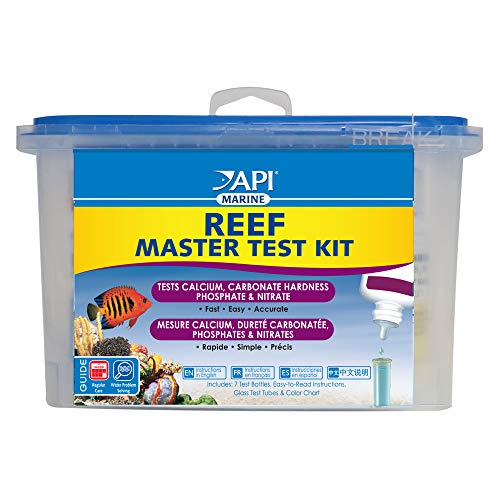
API REEF MASTER TEST KIT Reef Aquarium Water Test Kit 1-Count
Contains one (1) API REEF MASTER TEST KIT Reef Aquarium Water Test Kit 1-Count, including 7 bottle of…
As an affiliate, we earn on qualifying purchases.
As an affiliate, we earn on qualifying purchases.
Frequently Asked Questions
How Do Coral Reefs Naturally Recover Without Human Intervention?
You might notice that coral reefs recover naturally through coral reproductive strategies like spawning and brooding, which produce new polyps quickly. Natural predator control also plays a role by keeping harmful species in check, allowing healthy coral growth. When conditions are stable, these processes enable reefs to bounce back after disturbances. By supporting these natural mechanisms, reefs can regenerate without human intervention, maintaining their vibrant ecosystems over time.
What Are the Long-Term Ecological Impacts of Coral Restoration Projects?
You might wonder what happens after coral restoration projects succeed. Long-term, they boost genetic diversity, making reefs more resilient to climate change and disease. This stability supports vibrant ecosystems, ensuring fish populations thrive and biodiversity flourishes. But, if not carefully managed, these efforts could unintentionally reduce diversity or disrupt existing balances. The future hinges on your understanding of these delicate, yet crucial, ecological dynamics, shaping reefs for generations.
How Do Climate Change and Ocean Acidification Specifically Affect Coral Resilience?
Climate change and ocean acidification weaken coral resilience by disrupting their ability to adapt genetically and chemically buffer against stress. You might see corals struggle to develop genetic adaptations that help them survive warmer, more acidic waters. Additionally, ocean acidification reduces calcium carbonate availability, impairing coral growth and structural integrity. This makes corals more vulnerable to bleaching, disease, and collapse, decreasing their capacity to recover and thrive in changing ocean conditions.
Are There Innovative Technologies Beyond Current Methods to Protect Reefs?
Imagine a future where you harness genetic engineering to develop resilient coral strains, and you deploy artificial reefs that mimic natural ecosystems. Beyond current methods, these innovative technologies actively protect reefs by enhancing their ability to recover from damage and resist climate stressors. You could also explore bioengineering techniques and smart sensor networks to monitor reef health in real-time, ensuring swift responses to threats and improving conservation success.
How Can Local Communities Be More Effectively Involved in Reef Conservation?
You can involve local communities more effectively in reef conservation by fostering community engagement through participatory decision-making and empowering locals to lead conservation efforts. Promote local education programs to raise awareness about reef importance and threats. Support community-led initiatives and provide resources that enable sustainable practices. When communities understand their role and feel invested, they become proactive stewards, considerably improving reef protection and ensuring long-term success.

VERDANVERSE Aquarium Coral Ornaments Resin Artificial Coral Reef Decoration Medium Fish Tank Accessory for Aquatic Turtle Tank and Aquarium Landscaping
Resin aquarium rocks:this is an aquarium landscaping adornment, which is delicate for fish tank and aquarium use,aquarium reef…
As an affiliate, we earn on qualifying purchases.
As an affiliate, we earn on qualifying purchases.
Conclusion
You might think saving reefs is impossible or too late, but that’s not true. Scientists are making real progress with innovative techniques, and your support can make a difference. Every effort counts, from reducing your carbon footprint to spreading awareness. By staying informed and involved, you contribute to the ongoing rescue mission. Remember, even small actions can help preserve these essential ecosystems for future generations. Together, we can ensure reefs thrive again.
marine drone for reef monitoring
As an affiliate, we earn on qualifying purchases.
As an affiliate, we earn on qualifying purchases.
resilient coral species for transplantation
As an affiliate, we earn on qualifying purchases.
As an affiliate, we earn on qualifying purchases.