
Biodiversity loss can hurt you more than you think because it threatens the natural services you rely on, like clean water, food, and climate stability. When ecosystems weaken, food crops become more vulnerable, natural resources diminish, and climate change worsens. These impacts can affect your health, safety, and future well-being. If you want to understand how protecting biodiversity actually benefits your life now and later, keep exploring these essential connections.

Prime made for students and young adults
- Fast, free delivery for dorm and study essentials
- Prime Video and Amazon Music included
- Member-only deals
Key Takeaways
- Reduced biodiversity weakens ecosystem functions like pollination, threatening food security and crop yields directly affecting your diet.
- Loss of genetic diversity limits species’ resilience, increasing the risk of pests, diseases, and crop failures that impact your resources.
- Declining ecosystem health diminishes natural water and air purification, leading to increased pollution and health problems.
- Ecosystem destabilization accelerates climate change effects, worsening weather patterns and threatening your safety and property.
- Biodiversity loss reduces natural resources and ecosystem services vital for human well-being, risking long-term sustainability of life.
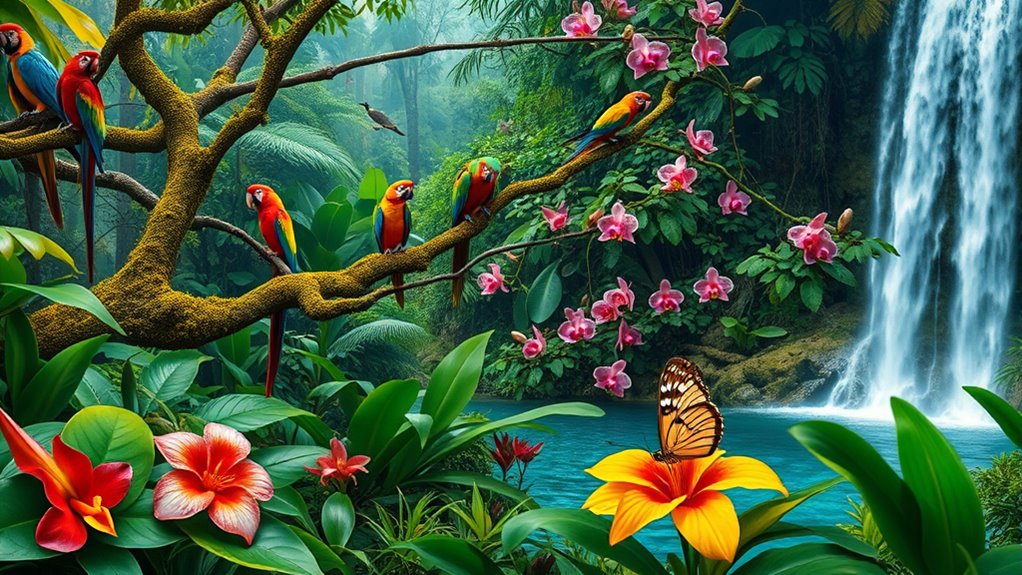
Have you ever wondered what happens when ecosystems lose their rich variety of life? When biodiversity declines, the impacts ripple through the environment and, ultimately, affect you directly. Ecosystem services—those natural processes that support human life—depend heavily on a diverse array of plants, animals, fungi, and microorganisms. These services include pollination of crops, purification of air and water, climate regulation, and soil fertility. Without a rich variety of life, these essential functions weaken, making it harder for ecosystems to recover from disturbances and less capable of providing for your needs. When biodiversity drops, the stability of these ecosystems diminishes, leading to less reliable services that keep your daily life running smoothly. Additionally, the loss of genetic diversity reduces the ability of species to adapt to environmental changes, further weakening ecosystem resilience.
Genetic diversity plays a pivotal role in maintaining resilient ecosystems. It’s the foundation for adaptation and survival, allowing species to withstand environmental changes and threats like pests, diseases, or climate shifts. When genetic diversity shrinks, species become more vulnerable to extinction, and the ability of ecosystems to bounce back from stresses diminishes. This loss isn’t just about individual species; it’s about the entire web of life that supports human existence. Reduced genetic diversity can lead to weaker populations, less productive crops, and diminished natural resilience, which ultimately impacts your food security, health, and well-being.
As ecosystems lose their rich variety of life, you might not notice the immediate effects, but over time, the consequences become undeniable. Reduced ecosystem services mean fewer natural resources like clean water and air, which you rely on daily. The decline in genetic diversity can lead to less robust food crops, making your meals more vulnerable to pests and diseases. Additionally, the destabilization of ecosystems can accelerate climate change by reducing their capacity to absorb carbon dioxide, further threatening your environment and health. These interconnected impacts create a cycle where the loss of biodiversity jeopardizes the very systems that sustain life, including yours.
In essence, biodiversity loss is not just an environmental issue—it’s a human issue. The decline of ecosystem services and genetic diversity compromises the natural systems that support your health, safety, and economy. Protecting biodiversity isn’t just about conserving wildlife; it’s about safeguarding the foundation of life that keeps you secure and thriving. When ecosystems lose their rich variety of life, you face more than just environmental degradation—you face a future with increased vulnerabilities and fewer resources to meet your needs. Recognizing this connection can motivate you to support efforts that preserve biodiversity for your own well-being.
Popular right now

KitchenAid Classic Series 4.5 Quart Tilt-Head Stand Mixer K45SS, Onyx Black

Shark Rocket Pet Plus Corded Stick Vacuum, Bordeaux, HV322

Samsung 42-Inch S90H OLED 4K Smart TV Bundle
As an affiliate, we earn on qualifying purchases.
Frequently Asked Questions
How Does Biodiversity Loss Affect Global Food Security?
Biodiversity loss impacts your food security by reducing crop diversity and disrupting pollinator populations. When pollinators decline, many fruits, vegetables, and nuts struggle to grow, leading to lower food production. This means you might face limited choices and higher prices. Without diverse ecosystems, the resilience of food systems diminishes, making it harder to meet global demands. Protecting biodiversity guarantees stable food supplies and healthier diets for everyone.
What Are the Economic Impacts of Declining Biodiversity?
Think of declining biodiversity like a crumbling foundation beneath your house. You might not see it, but it weakens ecosystem services that support your economy. Loss of genetic diversity reduces the resilience of crops and livestock, making food production costlier. This decline can lead to job losses, higher prices, and less stability in markets, ultimately hurting your wallet and community as the natural systems that sustain us weaken.
Can Biodiversity Loss Influence Climate Change?
Biodiversity loss can influence climate change by reducing ecosystem resilience, making environments less able to absorb carbon and withstand climate impacts. When genetic diversity declines, species struggle to adapt to changing conditions, which weakens ecosystems overall. As a result, less carbon gets stored, and climate change accelerates. You might not see it directly, but your climate stability depends on maintaining healthy, diverse ecosystems that can adapt and thrive.
How Does Biodiversity Loss Impact Human Health?
Biodiversity loss directly impacts your health by disrupting ecosystem stability and disease regulation. When species decline, ecosystems become less resilient, making them more vulnerable to pests and diseases. This can lead to increased transmission of illnesses to humans, as natural controls weaken. You might notice more outbreaks of diseases like West Nile virus or Lyme disease, showing how losing biodiversity can threaten your well-being and safety.
What Actions Can Individuals Take to Prevent Biodiversity Loss?
Imagine yourself as a gardener tending to a fragile ecosystem. You can help prevent biodiversity loss by supporting habitat restoration projects and avoiding the spread of invasive species. Plant native species, reduce pesticide use, and educate others on ecological balance. Your actions protect the diverse life that sustains us all, ensuring healthy environments now and for future generations. Every small step plants seeds of change in the fight against biodiversity loss.
Conclusion
So, next time you ignore that shrinking forest or that vanishing insect, remember—you’re not just losing nature’s paint palette, you’re losing your life support. Who needs clean air, fresh water, or food, right? Keep pretending it’s not your problem, and someday, you’ll find out how much trouble you’re in when biodiversity takes a bow and leaves the stage. Spoiler: it’s not just the animals that suffer—your comfy life’s next. Cheers to that!