TL;DR
Flash floods in Nepal have caused significant destruction, with reports of casualties and property damage. Emergency response is underway, but the full extent remains unclear.
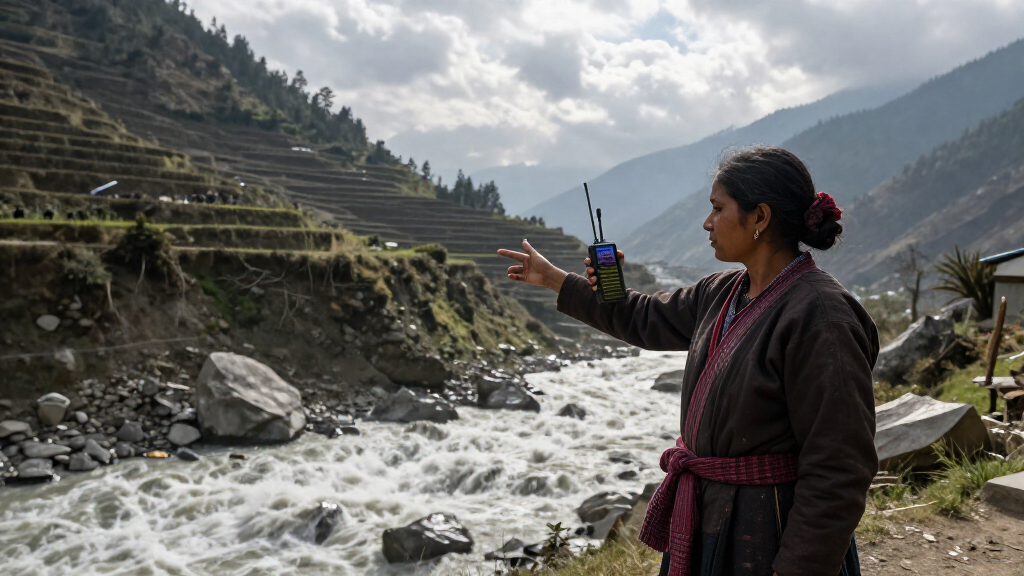
Severe flash floods have swept through parts of Nepal, causing at least 15 confirmed fatalities and displacing hundreds of residents, according to local authorities. The floods, triggered by intense rainfall in the Himalayan region, have led to widespread destruction of homes, roads, and bridges, prompting urgent rescue operations.
The floods primarily affected districts in eastern Nepal, including Taplejung, Sankhuwasabha, and Ilam. Nepal’s Disaster Management Authority (NDMA) reported that rescue teams have been deployed to affected areas, with helicopters airlifting stranded residents and supplies. The Nepalese government has declared a state of emergency in the worst-hit districts and requested assistance from neighboring countries.
Preliminary assessments indicate that the floods were caused by a combination of heavy monsoon rains and rapid melting of snow in the Himalayas, which increased water runoff into river systems. Local officials have warned that further rainfall could exacerbate the situation, raising concerns about additional flooding and landslides.
Potential Impact on Himalayan Communities and Infrastructure
The floods highlight the vulnerability of Himalayan communities to climate-induced natural disasters. With Nepal’s infrastructure already strained by previous earthquakes and ongoing development challenges, the recent floods threaten to deepen economic hardship and displacement. The event underscores the need for improved early warning systems and resilient infrastructure to withstand such extreme weather events, which are expected to become more frequent due to climate change.
As an affiliate, we earn on qualifying purchases.
Recent Trends in Himalayan Flooding and Climate Factors
Nepal has experienced increasing frequency and severity of flash floods and landslides over the past decade, linked to changing monsoon patterns and rising temperatures in the Himalayas. Experts note that the melting glaciers and snowpack in the region contribute to unpredictable water flows, which can suddenly swell riverbanks during heavy rains. The 2014 and 2018 floods serve as recent precedents, emphasizing the ongoing risk faced by mountain communities.
Authorities have warned that climate change is likely to intensify these events, making preparedness and adaptation critical for Nepal’s future resilience. International agencies, including the UN, have called for increased investment in disaster risk reduction in vulnerable Himalayan regions.
“The flood came suddenly, destroying everything in its path. Many people have lost their homes and livelihoods.”
— Local resident in Taplejung

BKLES 3-in-1 Water Filter System for Survival Gear & Emergency Preparedness
- Versatile 3-in-1 Filtration System: Supports electric, hand pump, and solar modes
- Advanced Multi-Stage Filtration: Dual 0.01-micron membranes and 6-stage purification
- Improves Water Taste and Quality: Effective filtration certified by SGS, FCC, UL
As an affiliate, we earn on qualifying purchases.
As an affiliate, we earn on qualifying purchases.
Extent of Damage and Future Flood Risks Still Unclear
It is not yet clear how many more districts may be affected or the full extent of casualties and property damage. The situation remains fluid, with ongoing rescue operations and weather conditions complicating assessments. The possibility of additional heavy rainfall raises concerns about future flooding and landslides in the coming days.
As an affiliate, we earn on qualifying purchases.
Ongoing Rescue Efforts and Monitoring of Weather Conditions
Authorities are expected to continue rescue and relief operations, with international support possibly being mobilized. Meteorological agencies are monitoring weather forecasts closely, warning of continued heavy rainfall in the Himalayan region. Long-term measures, including infrastructure strengthening and climate adaptation strategies, are likely to be discussed at upcoming government and international forums.
compact first aid kit for disasters
As an affiliate, we earn on qualifying purchases.
As an affiliate, we earn on qualifying purchases.
Key Questions
How many people have been affected by the floods?
At least 15 fatalities have been confirmed, with hundreds displaced, though the full scope is still being assessed.
What caused the floods in Nepal?
The floods were caused by intense monsoon rains combined with rapid snowmelt from the Himalayas, increasing water runoff into rivers.
Are there warnings for further flooding?
Yes, meteorological agencies are warning of continued heavy rainfall, which could lead to additional flooding and landslides.
What is being done to help affected communities?
Rescue teams are actively evacuating residents, providing emergency supplies, and assessing damage. International aid may be requested if needed.
How does climate change influence these floods?
Climate change contributes to increased glacier melt and unpredictable monsoon patterns, heightening the risk and severity of flash floods in the region.
Source: google-trends