
TL;DR
The Sun has released 10 solar flares in a 24-hour period, with several CMEs directed toward Earth. These events could influence space weather and aurora activity over the upcoming days.
The Sun has emitted 10 solar flares within 24 hours, accompanied by multiple coronal mass ejections (CMEs) heading toward Earth. This heightened solar activity could influence space weather conditions and aurora visibility over the coming days, making it a significant development for satellite operations, communications, and northern lights enthusiasts.
According to data from space weather monitoring agencies, the Sun produced 10 solar flares over the past day, ranging from moderate to strong intensity levels. Several of these flares were classified as M- and C-class, with some potentially capable of impacting Earth’s magnetosphere.
Simultaneously, space observatories detected multiple CMEs traveling in Earth’s direction. These massive bursts of solar plasma and magnetic fields are being tracked for their speed and potential to cause geomagnetic storms. The most recent CMEs are expected to arrive at Earth within the next 24 to 48 hours, depending on their velocity.
Space weather agencies, including NOAA’s Space Weather Prediction Center, have issued alerts and are closely monitoring the situation for possible impacts on satellite communications, power grids, and navigation systems. Aurora forecasts suggest increased northern lights activity, especially over northern latitudes, with some anticipation of visible displays during the upcoming July 4 weekend.
Impacts of Elevated Solar Activity on Earth
The recent surge in solar flares and CMEs is significant because such space weather events can disrupt satellite operations, GPS signals, and power grids. Additionally, increased aurora activity can be visible at lower latitudes if geomagnetic storms intensify. This heightened activity underscores the importance of space weather preparedness for both industry and the public, especially during key holiday periods like the July 4 weekend.

15×55 UHD Binoculars for Adults High Powered with Phone Adapter – Large View, BAK4 Prism, Waterproof, Lightweight for Bird Watching, Hunting, Cruise, Travel, Camping (Blue)
【 High-Powered & Wide View】Enjoy 15x magnification with an 8° wide-angle field, delivering a crystal-clear 367ft/1000yds view. Perfect…
As an affiliate, we earn on qualifying purchases.
As an affiliate, we earn on qualifying purchases.
Recent Solar Activity and Space Weather Trends
Solar activity naturally varies in an approximately 11-year cycle, with peaks known as solar maxima. The current cycle has shown increased flare activity over recent months. Historically, periods of intense solar flares and CMEs have led to geomagnetic storms, affecting technology and communications on Earth. The recent activity aligns with the cycle’s peak phase, though the current level of flare and CME activity is notable for its intensity and frequency.
Previous similar events have caused temporary disruptions but also heightened aurora displays, making this period of activity particularly noteworthy for both scientists and aurora watchers.
“The current solar activity is elevated, with multiple flares and CMEs heading toward Earth. We are closely monitoring the situation for potential geomagnetic impacts.”
— Dr. Lisa Grant, NOAA Space Weather Prediction Center
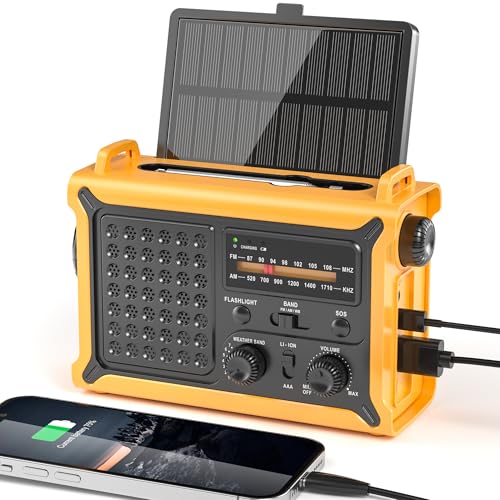
Weather Radios Portable AM FM NOAA Alert with Battery Backup 12000mAh 44400mWh, Fast Solar Power, Emergency Radio Hand Crank Flashlight, Reading Lamp SOS for Home Outdoor Camping
【Reliable 𝗡𝗢𝗔𝗔/𝗔𝗠/𝗙𝗠 Reception with Clear Sound】With a high-sensitivity signal chip, noise-reduction circuitry, and an extended antenna, the radio…
As an affiliate, we earn on qualifying purchases.
As an affiliate, we earn on qualifying purchases.
Uncertainties in Impact Severity and Timing
While the detection and tracking of these CMEs are confirmed, the precise impact on Earth’s magnetosphere and infrastructure remains uncertain. The speed and magnetic orientation of each CME will influence the severity of geomagnetic storms, but these details are still being analyzed. Additionally, the exact timing of arrival and the potential for widespread disruptions are still being assessed by space weather agencies.

Pocket Guide For Capturing Northern Lights: Northern Lights Photography: The Ultimate Pocket Guide to Capturing the Aurora
As an affiliate, we earn on qualifying purchases.
As an affiliate, we earn on qualifying purchases.
Monitoring and Forecast Updates Expected Soon
Space weather agencies will continue to monitor the CMEs’ trajectories and intensities over the next 24 to 48 hours. Updates on potential geomagnetic storm levels and aurora visibility forecasts are expected as more data becomes available. Authorities advise satellite operators, power grid managers, and communications providers to prepare for possible disruptions during this active period.

BaldrTherm WiFi Weather Station with 5-Day Forecast, Smart Backlight, Indoor Outdoor Thermometer Hygrometer with Remote App Alerts, 180m Range, 2.2” Large Display for Home, Garden
5-Day Weather Forecast & WiFi Smart Updates: Get today’s weather plus 4 more days of forecasts right on…
As an affiliate, we earn on qualifying purchases.
As an affiliate, we earn on qualifying purchases.
Key Questions
What are solar flares and CMEs?
Solar flares are intense bursts of radiation from the Sun’s surface, while coronal mass ejections (CMEs) are large expulsions of plasma and magnetic fields into space. Both can impact Earth when directed toward it.
How likely are these events to cause disruptions on Earth?
The likelihood depends on the strength and magnetic orientation of the CMEs. While some may cause geomagnetic storms affecting satellites and power grids, not all will lead to significant disruptions.
Will the northern lights be visible during this activity?
Increased aurora activity is expected, especially over northern latitudes, and possibly at lower latitudes if geomagnetic storms intensify. Visibility depends on local weather conditions and storm strength.
How long will this heightened solar activity last?
Current observations suggest the activity will persist over the next 24 to 48 hours, with updates anticipated as new data emerges.
Should I be concerned about satellite or power grid disruptions?
While the risk exists, most infrastructure is protected with standard safeguards. Authorities recommend staying informed through official space weather alerts.
Source: google-trends