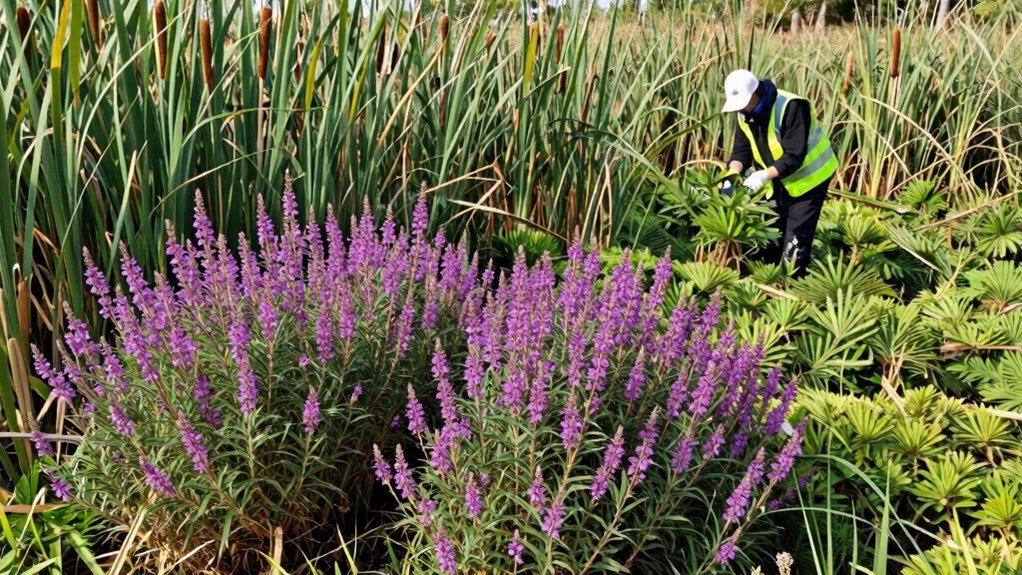

Managing invasive species matters because it helps you protect ecosystems and native biodiversity. When invasive species outcompete local plants and animals, they disrupt habitat structures and weaken ecosystem resilience. This loss affects many species and the services nature provides, like clean water and air. By controlling invasive species early and taking prevention measures, you can keep ecosystems balanced and adaptable. Stay with us to discover more ways managing invasives benefits the environment and your community.

Prime made for students and young adults
- Fast, free delivery for dorm and study essentials
- Prime Video and Amazon Music included
- Member-only deals
Key Takeaways
- Managing invasive species protects native biodiversity and maintains ecological balance.
- Early detection and rapid response prevent widespread environmental damage.
- Controlling invasive species preserves ecosystem resilience and services.
- Effective management reduces long-term costs and effort for eradication.
- Maintaining healthy ecosystems supports biodiversity, climate adaptation, and environmental health.
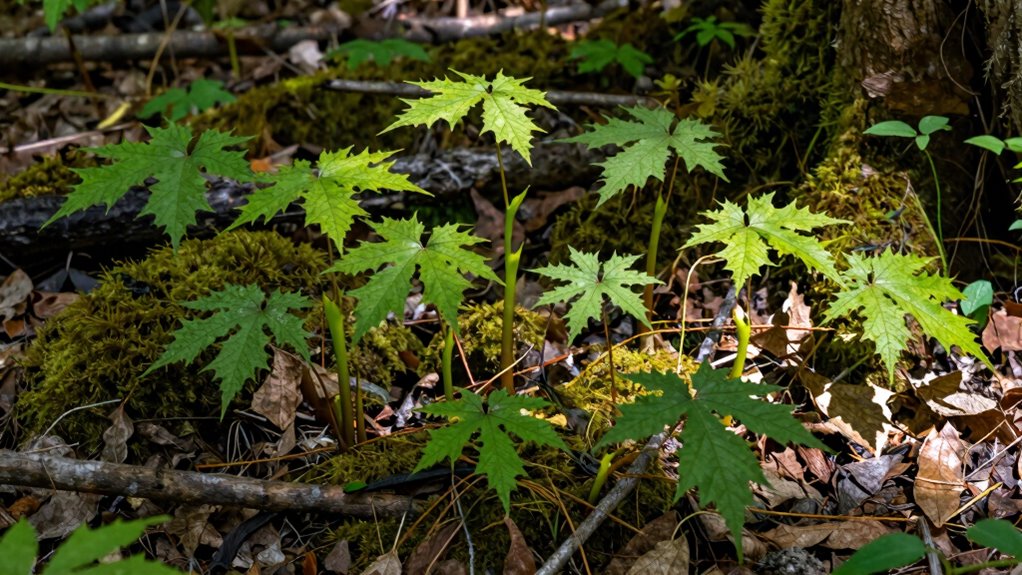
Have you ever wondered why managing invasive species is so crucial? The truth is, invasive species threaten the very foundation of healthy ecosystems. When non-native plants or animals invade a new area, they often outcompete local species for resources like food, space, and sunlight. This disruption can weaken the resilience of the entire ecosystem, making it more vulnerable to additional stresses such as climate change, disease, or human activity. By controlling invasive species, you help preserve the natural balance, allowing native species to thrive and maintain the ecosystem’s resilience. This resilience is essential because it ensures the environment can recover from disturbances and continue providing vital services—like clean water, air purification, and habitat for wildlife.
When invasive species take hold, they often prevent native species from recovering, leading to a loss of biodiversity. Native plants and animals have evolved over generations to coexist within specific ecosystems, forming intricate relationships that sustain the environment. When invasive species dominate, they can alter habitat structures, change soil chemistry, or introduce new diseases, all of which hinder native species recovery. This loss isn’t just about losing individual species; it affects the entire web of life that depends on those native organisms. The more invasive species spread, the harder it becomes for native populations to rebound, which diminishes the ecological integrity of the area. Managing invasive species isn’t just about removing unwanted plants or animals; it’s about restoring the conditions that allow native species to recover and flourish. Additionally, understanding the impact of invasive species on biodiversity helps emphasize the importance of preventative measures and early intervention. Recognizing the role of ecological balance in maintaining healthy environments highlights the need for proactive management strategies. Implementing early detection and rapid response techniques can significantly reduce the spread and impact of invasive species. This proactive approach is crucial because it minimizes long-term ecological damage and reduces the cost and effort required for eradication later on.
invasive species control products
As an affiliate, we earn on qualifying purchases.
As an affiliate, we earn on qualifying purchases.
Frequently Asked Questions
How Do Invasive Species Spread to New Areas?
Invasive species spread to new areas mainly through accidental transportation, like in ballast water, on clothing, or with plant trade. Your activities can unintentionally facilitate habitat disruption, creating opportunities for invasives to establish. Once introduced, they often outcompete native species, disrupting ecosystems. By being mindful of how you move goods and travel, you can help reduce the risk of invasive species spreading and protect local biodiversity.
What Are the Most Common Invasive Species Worldwide?
Think of invasive species like uninvited guests disrupting a well-balanced feast. Globally, the most common invasive species include the zebra mussel, Asian carp, cane toads, and kudzu vine. These species often outcompete native species, throwing off ecological balance. Their rapid spread threatens local ecosystems, agriculture, and economies, making it essential to manage them effectively. You play a key role in protecting native species and maintaining ecological harmony.
Can Invasive Species Be Completely Eradicated?
Invasive species can be incredibly challenging to completely eradicate because they disrupt ecological balance and threaten native species. While efforts like physical removal, biological control, and habitat management can markedly reduce their impact, achieving total eradication is rare. You need ongoing monitoring and adaptive strategies to protect native species and restore ecological balance, acknowledging that some invasive populations might persist despite best efforts.
How Does Climate Change Influence Invasive Species?
You might think climate change is just about warming temperatures, but it actually fuels invasive species’ spread through climate adaptation. As habitats become disrupted, these species find new opportunities, often outcompeting native ones. Ironically, efforts to stabilize ecosystems can inadvertently aid invasive species’ survival. So, climate change doesn’t just threaten our environment; it actively helps invasive species thrive, making habitat disruption a catalyst for their relentless invasion.
What Role Do Local Communities Play in Management?
You play a vital role in invasive species management through community involvement and education campaigns. By staying informed and spreading awareness, you help prevent the spread of invasive species and support local efforts. Participating in volunteer activities, reporting sightings, and educating others strengthen the community’s response. Your proactive engagement guarantees that local ecosystems stay healthy, resilient, and protected from the threats invasive species pose.
As an affiliate, we earn on qualifying purchases.
Conclusion
By managing invasive species, you’re acting as the first line of defense in protecting our ecosystems. Think of yourself as a gardener tending a delicate garden—removing invasive weeds allows native plants to thrive and flourish. Your efforts prevent these unwelcome guests from choking out native species, ensuring biodiversity and ecological balance. Remember, each small action you take is like planting a seed for a healthier, more resilient environment—your care makes a world of difference.
As an affiliate, we earn on qualifying purchases.
As an affiliate, we earn on qualifying purchases.
Fall Picks
fall essentials
As an affiliate, we earn on qualifying purchases.