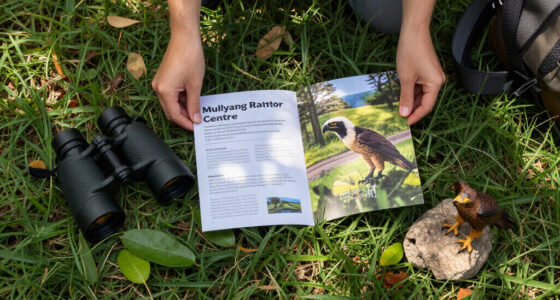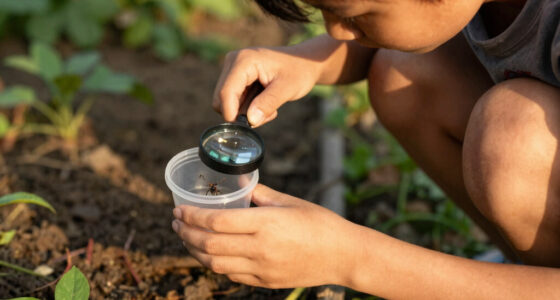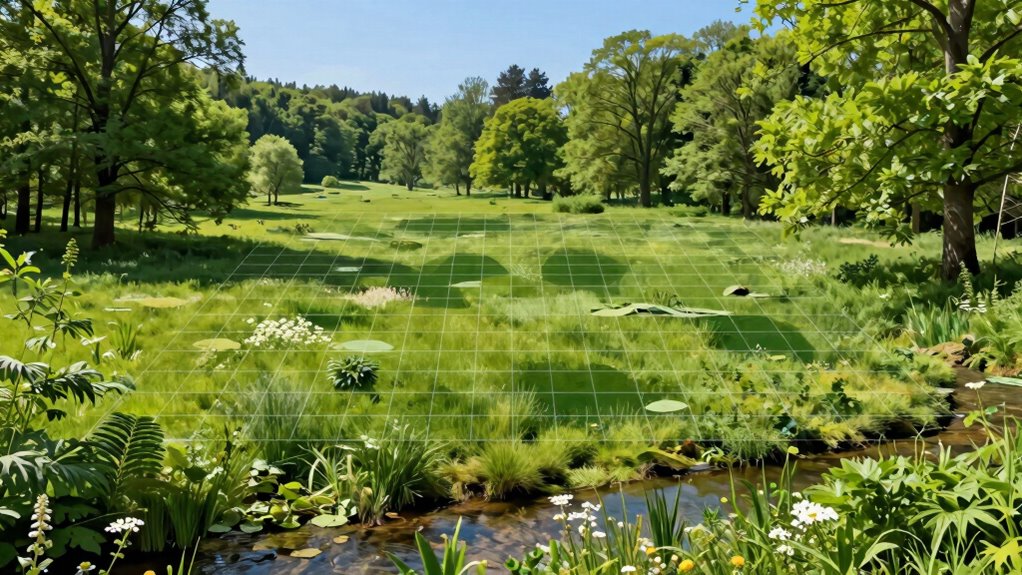

The 30×30 goal means you’re part of a global effort to protect 30% of Earth’s land and ocean areas by 2030, focusing on conserving biodiversity and restoring habitats. It encourages community involvement and partnerships to guarantee sustainable efforts that benefit both nature and local people. This ambitious target aims to build resilient ecosystems and combat climate change, shaping a healthier future. If you want to understand how this impacts the planet and your role, keep exploring the details.
Key Takeaways
- It aims to protect 30% of Earth’s land and ocean areas by 2030 to preserve biodiversity.
- The goal emphasizes restoring habitats and preventing species extinction.
- It encourages community involvement and local conservation efforts for sustainable impact.
- The initiative promotes partnerships among governments, NGOs, and scientists to implement conservation strategies.
- Achieving 30×30 will enhance ecosystem resilience and support a healthier, sustainable planet.
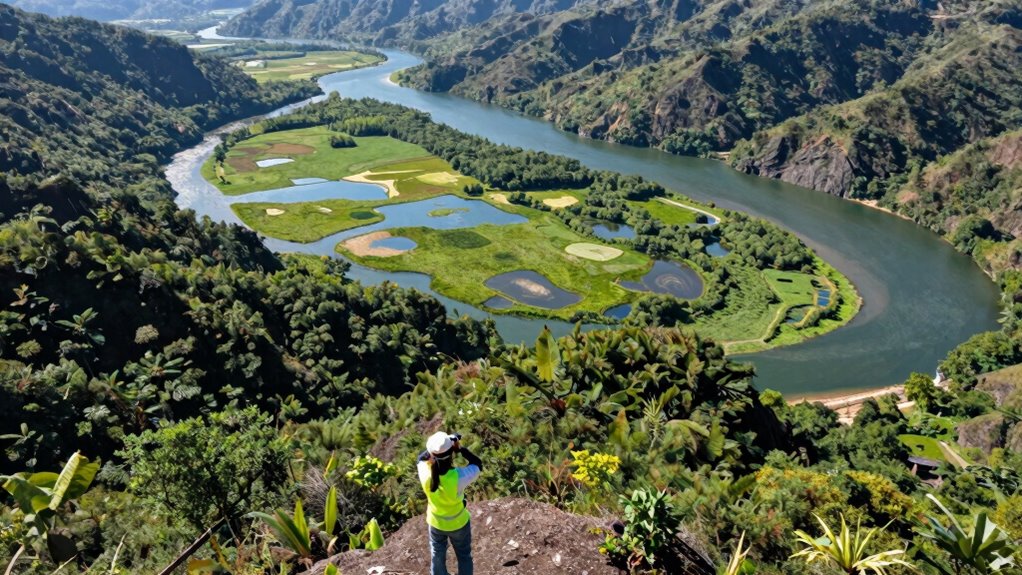
The 30×30 Conservation Goal aims to protect 30% of the Earth’s land and ocean areas by 2030, recognizing that conserving biodiversity is essential for a healthy planet. If you’re involved in conservation efforts, this target brings a clear and ambitious framework that can guide your actions. It emphasizes the importance of biodiversity preservation, which means safeguarding the variety of life on Earth—plants, animals, and ecosystems alike. By focusing on this, the goal aims to prevent extinction, restore degraded habitats, and maintain the natural balance that sustains all living beings, including humans.
Protecting 30% of land and oceans by 2030 is vital for biodiversity and a healthy, resilient planet.
For you, understanding the significance of protecting diverse ecosystems is key. Biodiversity isn’t just about species count; it’s about maintaining resilient ecosystems capable of withstanding climate change, disease, and other threats. When ecosystems are healthy and diverse, they better provide clean water, air, and fertile soil. This directly affects your quality of life, making biodiversity preservation more than just an environmental concern—it’s a survival issue. The 30×30 goal encourages you to support conservation initiatives that prioritize protecting critical habitats, such as forests, wetlands, and coral reefs, which are essential for countless species. Protecting these areas also helps mitigate the impacts of climate change by acting as carbon sinks and natural buffers.
Community engagement plays a fundamental role in achieving the 30×30 target. You’re encouraged to become actively involved—whether through volunteering, advocating for policy changes, or supporting local conservation projects. Engaging local communities ensures that conservation efforts are sustainable and culturally appropriate. When communities are involved, they become stewards of their environment, leading to more effective and lasting results. You can participate in educational programs that raise awareness about biodiversity and its importance, or collaborate with indigenous groups who often hold traditional knowledge indispensable for protecting ecosystems. Biodiversity preservation is integral to maintaining ecosystem resilience and supporting sustainable development.
The goal also pushes for inclusive strategies that empower local populations, recognizing that community-led conservation is often the most successful. It’s about building partnerships—between governments, NGOs, scientists, and community members—that work together to develop and implement conservation plans. As someone interested in these efforts, you can help bridge gaps between policy and practice, ensuring that conservation actions benefit both biodiversity and local livelihoods. Moreover, integrating scientific research with on-the-ground practices can significantly enhance the effectiveness of conservation activities. A comprehensive approach that combines scientific understanding with community involvement is crucial for the success of the 30×30 initiative. Building this synergy across sectors can accelerate progress toward the goal.
Ultimately, the 30×30 goal isn’t just about setting a protected area target; it’s about transforming how we value and protect our planet’s natural diversity. Your role, whether through community engagement or supporting biodiversity preservation initiatives, is indispensable. By taking part, you help forge a future where ecosystems thrive, species are saved, and humanity lives in harmony with nature. This collective effort makes the ambitious 30×30 vision achievable, ensuring a healthier planet for generations to come. Recognizing the importance of ecosystem resilience can inspire more effective conservation actions on a global scale.

Biodiversity Conservation and Phylogenetic Systematics: Preserving our evolutionary heritage in an extinction crisis (Topics in Biodiversity and Conservation Book 14)
As an affiliate, we earn on qualifying purchases.
As an affiliate, we earn on qualifying purchases.
Frequently Asked Questions
How Will the 30X30 Goal Impact Local Communities?
The 30×30 goal will directly impact your community through increased community engagement, ensuring your voices are heard in conservation efforts. It can strengthen land rights, empowering you to protect local natural resources. However, it may also bring challenges, like land restrictions. Your involvement is vital to shape policies that benefit both conservation and your community’s needs, fostering sustainable coexistence and long-term environmental health.
What Are the Main Challenges in Achieving 30X30?
You’ll face challenges like funding hurdles and policy barriers that slow progress toward 30×30. Securing consistent funding can be tough, especially with competing priorities, while policy barriers may prevent the creation or enforcement of protected areas. Managing complex regulations and gaining political support require persistence. Overcoming these obstacles demands collaboration, advocacy, and innovative solutions to ensure conservation goals are achieved effectively and equitably.
How Is Success Measured for the 30X30 Initiative?
Success in the 30×30 initiative is like hitting a bullseye; it’s measured through biodiversity indicators and policy frameworks. You’ll see progress when protected areas expand, species counts improve, and policies align with conservation goals. Regular monitoring and data collection help gauge these indicators. When governments and organizations work together, and measurable changes happen, you know you’re on the right track toward safeguarding 30% of Earth’s land and waters.
Are Private Lands Included in the 30X30 Targets?
Yes, private lands are included in the 30×30 targets. Land ownership doesn’t matter; conservation efforts extend to private properties, encouraging landowners to protect and restore ecosystems. By involving private landowners, the initiative aims to create a larger network of protected areas. Your participation, whether through conservation easements or sustainable practices, helps reach the goal of conserving 30% of land and water resources.
What Role Do Indigenous Peoples Play in 30X30 Conservation?
You’re about to see Indigenous peoples take the lead in saving the planet! Their role in 30×30 is huge—they champion Indigenous sovereignty and cultural preservation, ensuring protected areas respect traditional lands. Their deep-rooted knowledge helps craft smarter conservation strategies. By empowering Indigenous communities, you help create lasting, meaningful change that not only safeguards biodiversity but also honors their crucial connection to the land. Their leadership is essential for real, impactful conservation.

Science-Based Restoration Monitoring of Coastal Habitats, Volume Two: Tools for Monitoring Coastal Habitats
As an affiliate, we earn on qualifying purchases.
As an affiliate, we earn on qualifying purchases.
Conclusion
By aiming to protect 30% of the planet’s land and water by 2030, you’re helping guarantee essential ecosystems thrive for future generations. Did you know that only about 17% of land and 10% of oceans are currently protected? Your support and actions can bridge this gap, making a real difference. Embrace this goal, and together, you can help preserve the natural beauty and biodiversity that sustains us all.
community conservation volunteer kits
As an affiliate, we earn on qualifying purchases.
As an affiliate, we earn on qualifying purchases.

Guy Harvey Men's Eco Cast Perfomance Sun Protection Long Sleeve Top, Moonlit Ocean/Gradient Slam, Medium
- Eco-Friendly Material: Made from 100% recycled polyester
- Sun Protection: UPF 50 built-in UV protection
- Moisture Management: Quick-drying and moisture-wicking fabric
As an affiliate, we earn on qualifying purchases.
As an affiliate, we earn on qualifying purchases.