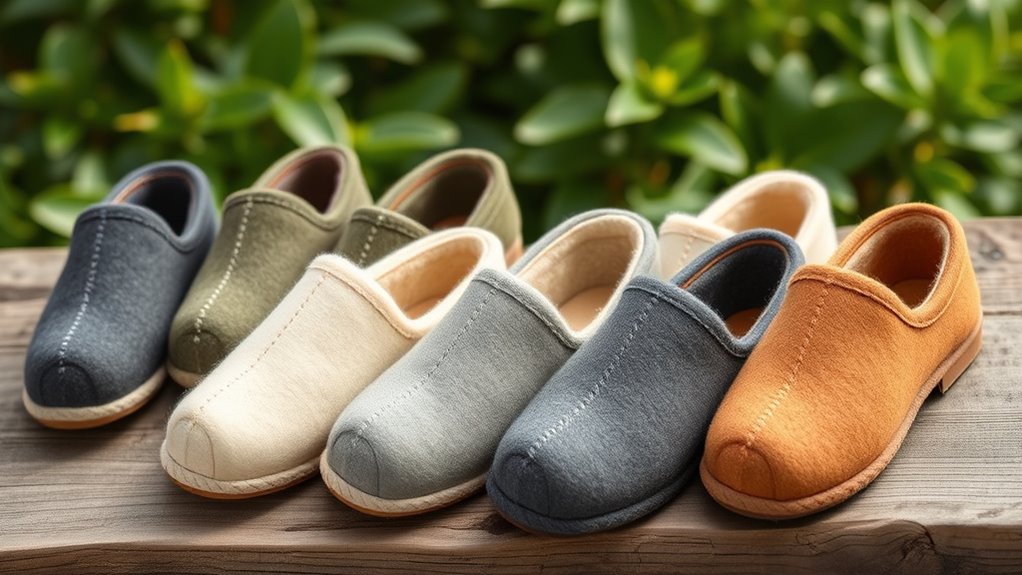
Sustainable wool felt slippers split into two camps: durable, outdoor-ready pairs with hard or leather soles and soft, purely handmade indoor options that trade longevity for comfort and low-impact production. The Haflinger Nordkap earns the top spot for its thick felt body, cork-latex footbed, and a rubber sole sturdy enough for a quick trip to the mailbox — rare versatility in this category. If you want something simpler, the Glerups slip-on offers a cleaner silhouette and a snugger, lower-profile fit, while the Handmade Wool Felt Clog Slippers are the value play for buyers who prioritize natural materials over brand names. The main tradeoffs to weigh are sole durability versus pure indoor softness, felt thickness and warmth, and whether artisanal production matters more than reinforced construction. Read on for the full breakdown of all six pairs.

Prime made for students and young adults
- Fast, free delivery for dorm and study essentials
- Prime Video and Amazon Music included
- Member-only deals
Key Takeaways
- Sole type was the single biggest differentiator in this lineup: Haflinger‘s hard rubber sole and Glerups‘ leather sole handled brief outdoor use, while the Handmade Clogs, Glaciart One, and Woolly’s suede-soled options are strictly indoor pairs.
- The two handmade options (Glaciart One and the Handmade Clogs) use undyed or naturally colored wool, which pushes their sustainability credentials past the bigger brands — but expect minor sizing variation between pairs.
- Glerups and Haflinger overlap the most in this lineup; Haflinger wins on arch support via its cork footbed, while Glerups wins on lighter weight and a trimmer fit for narrow feet.
- Nootkas‘ Victoria stands out as the only pair with a women’s-specific last, solving the heel-slip problem many buyers report with unisex felt slippers — but it lacks a true outdoor sole.
- Woolly’s suede sole strikes a middle path: quieter and more flexible than Haflinger’s rubber, yet more scuff-resistant than pure felt bottoms, making it the safest choice for hardwood floors.
| Haflinger Nordkap Wool Slippers with Hard Sole |  | Best for Support and Traction | Upper and lining: 100% wool felt | Footbed: Wool-covered cork and latex | Midsole: Latex | VIEW ON AMAZON | See Our Full Breakdown |
| Handmade Wool Felt Clog Slippers |  | Best for Colorful Handcrafted Style | Outer material: Wool | Inner material: Wool | Sole material: Suede | VIEW ON AMAZON | See Our Full Breakdown |
| Woolly’s Felt Indoor Shoes with Suede Leather Sole |  | Best for Easy-Care Indoor Wear | Outer material: Wool | Inner material: Wool | Sole material: Suede leather | VIEW ON AMAZON | See Our Full Breakdown |
| Glerups Unisex Wool Slip-On Slipper with Leather Sole |  | Best Premium Wool Slip-On | Outer material: 100% wool felt | Inner material: Wool | Sole material: Chrome-free calfskin leather | VIEW ON AMAZON | See Our Full Breakdown |
| Nootkas Women’s ‘Victoria’ Wool House Slipper |  | Best for Barefoot-Style Toe Room | Outer material: Wool | Inner material: Wool | Sole material: Imported | VIEW ON AMAZON | See Our Full Breakdown |
| Glaciart One Handmade Wool Slippers for Women and Men |  | Best Lightweight Pick | Outer material: Wool | Inner material: Wool | Sole material: Rubber | VIEW ON AMAZON | See Our Full Breakdown |
| sustainable wool felt slipper | Outer material | Inner material | Sole material | Origin |
|---|---|---|---|---|
| Haflinger Nordkap Wool Slipper | — | — | — | Made in the USA or imported |
| Handmade Wool Felt Clog Slippe | Wool | Wool | Suede | Handcrafted in Nepal |
| Woolly’s Felt Indoor Shoes wit | Wool | Wool | Suede leather | — |
| Glerups Unisex Wool Slip-On Sl | 100% wool felt | Wool | Chrome-free calfskin leather | — |
| Nootkas Women’s ‘Victoria’ Woo | Wool | Wool | Imported | — |
| Glaciart One Handmade Wool Sli | Wool | Wool | Rubber | Nepal |
More Details on Our Top Picks
Haflinger Nordkap Wool Slippers with Hard Sole
The Nordkap is my pick for buyers who want wool felt warmth with a more supportive, stable base. Its wool-covered cork and latex footbed can conform to the foot, while the TR outsole adds cushioning and traction for moving around the house. That makes it a more practical choice on hard floors than Glerups’ leather-soled slip-on, whose sole may feel slippery. The 100% wool felt upper and lining also help regulate temperature and wick moisture, though the enclosed build may feel too warm to some. The tradeoff is a firmer, more substantial slipper than a simple indoor shoe, and the stated origin varies between USA-made and imported. Choose it for support and grip; skip it if you want a light, cooler slipper.
Pros:- Wool felt upper and lining regulate temperature and wick moisture
- Wool-covered cork and latex footbed provides arch support and conforms to the foot
- TR rubber outsole offers cushioning and traction
- Roomy toe area and quiet tread
Cons:- Warm construction may feel too hot for some wearers
- Country of manufacture varies
- More substantial underfoot than a flexible, flat house slipper
Best for: People who spend long stretches on hard indoor floors and want a wool slipper with a supportive footbed and grippy outsole
Not ideal for: People who prefer a cool, lightweight slipper or need a confirmed country of manufacture
- Upper and lining:100% wool felt
- Footbed:Wool-covered cork and latex
- Midsole:Latex
- Outsole:TR rubber
- Sole thickness:10 mm felt with anti-slip latex coating
- Origin:Made in the USA or imported
Our verdict“Choose the Nordkap if you want wool warmth paired with arch support and dependable indoor traction.”
Handmade Wool Felt Clog Slippers
These clogs put handcrafted wool and colorful Nepali motifs ahead of structured support or hard-floor grip. Their cushioned insole and soft wool interior suit buyers who want a warm, straightforward pull-on slipper; compared with the Haflinger Nordkap, though, they lack a listed cork-and-latex supportive footbed and use suede soles intended for indoor wear. That makes them a better fit for dry rooms than trips outdoors or across wet entryways. The stated ethical and sustainable practices may appeal to shoppers prioritizing how a pair is made, but the supplied details do not explain those practices or give sizing and care guidance. I’d choose these for their handmade character and soft feel, while buyers who need traction or detailed fit information should look elsewhere.
Pros:- Natural wool outer and inner construction
- Cushioned insole adds softness underfoot
- Handcrafted in Nepal with colorful traditional motifs
- Product details state sustainable and ethical practices
Cons:- Suede sole is intended for indoor wear and is less suited to wet or outdoor conditions
- No sizing details are provided
- No care instructions are provided
Best for: Shoppers who value handmade Nepali wool slippers, distinctive patterns, and a cushioned feel for dry indoor use
Not ideal for: People who need reliable grip on wet floors, outdoor versatility, or clear sizing and care instructions
- Outer material:Wool
- Inner material:Wool
- Sole material:Suede
- Closure:Pull-on
- Materials:Natural wool and suede
- Origin:Handcrafted in Nepal
Our verdict“Pick these clogs for handmade style and cushioned wool comfort if you mainly wear slippers on dry indoor floors.”
Woolly’s Felt Indoor Shoes with Suede Leather Sole
Woolly’s makes the most sense for someone who wants breathable wool in an easy pull-on indoor shoe and appreciates having basic cleaning guidance. Its New Zealand wool is described as moisture-absorbing, and the suede leather sole offers a different feel from the Glerups calfskin leather sole. Both keep the design focused on indoor use, so neither is the pick for wet thresholds; Woolly’s edge here is that it can be brushed or wiped with a moist towel and air-dried. That guidance helps with routine care, though it does not make the shoe washable or resolve the missing fit details. Compared with the supportive Haflinger Nordkap, this pair offers no listed structured footbed or rubber outsole. Choose it for simple indoor comfort, not arch support or outdoor traction.
Pros:- Breathable New Zealand wool helps absorb moisture
- Soft wool interior
- Suede leather sole is designed for indoor wear
- Care guidance covers brushing, wiping, and air-drying
Cons:- Designed for indoor use rather than outdoor wear
- No sizing or fit details are provided
- No structured support is listed
Best for: Buyers seeking a breathable, unisex wool indoor shoe with straightforward spot-cleaning instructions
Not ideal for: People who need arch support, outdoor use, or detailed sizing and fit guidance before buying
- Outer material:Wool
- Inner material:Wool
- Sole material:Suede leather
- Closure:Pull-on
- Design:Unisex
- Care:Brush or wipe with a moist towel; air-dry
Our verdict“Choose Woolly’s if easy spot care and breathable wool matter more to you than support or outdoor versatility.”
Glerups Unisex Wool Slip-On Slipper with Leather Sole
Glerups is the refined, simple slip-on in this group: 100% felted New Zealand sheep wool, a foot-shaped unisex design, and a chrome-free calfskin sole. The soft leather keeps the slipper flexible and supports easy on-and-off wear, but it does not offer the same stated traction as the TR outsole on the Haflinger Nordkap. On smooth hard floors, that distinction matters: buyers who prioritize grip may prefer Haflinger, while Glerups suits those who want a simpler leather-soled indoor option. Its wool construction is described as keeping feet warm and dry, although the product still calls for special care when cleaning. This is a strong choice for uncomplicated wool comfort and Scandinavian styling, with a clear tradeoff in floor grip and upkeep.
Pros:- Upper is made from 100% felted wool
- Wool construction helps keep feet warm and dry
- Chrome-free calfskin leather sole
- Foot-shaped unisex slip-on design is easy to put on and remove
Cons:- Leather sole may be slippery on hard floors
- Wool may require special care when cleaning
- No structured arch support is listed
Best for: People who want a flexible, easy-on unisex wool slipper with a natural leather sole for indoor use
Not ideal for: People who need strong grip on smooth floors or want low-maintenance cleaning
- Outer material:100% wool felt
- Inner material:Wool
- Sole material:Chrome-free calfskin leather
- Style:Unisex slip-on
- Wool origin:New Zealand
- Brand origin:Denmark
Our verdict“Choose Glerups for flexible felted-wool comfort and a leather sole if you can accept less grip and more careful cleaning.”
Nootkas Women’s ‘Victoria’ Wool House Slipper
The Victoria stands apart for buyers who want a generous toe box and a flexible, flat sole rather than built-in arch support. Its New Zealand felted wool is breathable, moisture-wicking, and naturally odor resistant, and the supplied sizing guidance helps buyers decide whether to wear it barefoot or with socks. Compared with the Haflinger Nordkap, this slipper gives up a supportive footbed and grippy TR outsole in favor of more natural foot movement. It also differs from Glerups’ leather-soled slip-on through its stated Fair Trade Certified facility and fit-shaping design: the snug initial fit is meant to ease as the wool conforms with wear. The tradeoffs are indoor-only use, no room for an insole, and hand care rather than machine washing.
Pros:- New Zealand felted wool regulates temperature and wicks moisture
- Naturally odor-resistant wool suits people whose feet get sweaty
- Flexible flat sole and generous toe box support natural foot movement
- Handmade in a Fair Trade Certified facility
Cons:- No structured arch support and cannot accommodate an insole
- Intended for indoor use only
- Spot cleaning or gentle hand washing is recommended; machine washing is not
Best for: Women who want a roomy toe box, flexible flat sole, and breathable wool for barefoot-style indoor wear
Not ideal for: People who need structured arch support, removable insoles, outdoor use, or machine-washable slippers
- Outer material:Wool
- Inner material:Wool
- Sole material:Imported
- Wool source:New Zealand
- Manufacturing:Handmade at a Fair Trade Certified facility
- Care:Spot clean or gently hand wash; machine washing not recommended
- Recommended use:Indoor only
- Sizing:True to size; size down 1/2 size for barefoot wear; order normal size with socks
- Construction time:3 days per pair
Our verdict“Choose the Victoria if toe room and flexible barefoot-style movement matter more than arch support or outdoor use.”
Glaciart One Handmade Wool Slippers for Women and Men
Glaciart One suits buyers who want breathable warmth without a bulky indoor shoe. Its handmade boiled wool upper and wool lining keep the materials story focused, while the pull-on shape makes it simple to wear around the house. Compared with the Haflinger Nordkap Wool Slippers with Hard Sole, this pair puts more emphasis on lightness and a quiet feel on hard floors than on a more substantial sole. The rubber sole is practical for indoor use, but the listed specs do not establish outdoor durability or strong foot support. Wool may also ease with wear, so a snug initial fit can change; measuring before ordering matters. Choose it for soft, low-profile warmth, and skip it if you need structured support or a slipper for regular trips outside.
Pros:- Wool outer and inner materials offer breathable warmth
- Lightweight pull-on design is easy to put on
- Quiet sole suits hard indoor floors
- Handmade boiled-wool construction uses traditional felting methods
Cons:- Minimal support may not suit buyers who need a structured footbed
- Wool can take time to ease and may change the fit as it breaks in
- Sizing may require careful measuring before ordering
Best for: People who want lightweight, breathable wool slippers for quiet indoor wear on hard floors.
Not ideal for: Buyers who need substantial arch support, a structured fit, or footwear intended for outdoor use.
- Outer material:Wool
- Inner material:Wool
- Sole material:Rubber
- Closure:Pull-on
- Construction:Handmade boiled wool
- Origin:Nepal
- Intended use:Indoor
Our verdict“Choose Glaciart One for lightweight, quiet indoor warmth in wool, provided you do not need much foot support.”

How We Picked
I evaluated each pair against four buyer-relevant criteria. Material sustainability came first: I looked for undyed or naturally dyed wool, felted rather than glued construction, vegetable-tanned leather soles, and transparent sourcing — Glerups and Nootkas shave and felt their own wool, while the handmade pairs rely on small-batch natural production. Construction and durability came second, because felt slippers live or die by sole attachment and felt density; a thick, single-piece felt body with a stitched (not glued) sole will outlast a thin felt slipper by years. Fit and support mattered almost as much, since unisex felt slippers often run wide or loose — pairs with contoured footbeds or women’s-specific lasts scored higher.
Finally, I weighed versatility: whether a pair could handle a step outside to grab the mail or was confined to indoor use. That criterion is what pushed Haflinger to the top — its combination of a cork-latex footbed and a genuine rubber outsole makes it the only pair here that works as a light-duty house shoe. Products were ranked by how well they balance all four criteria at their intended use, not by brand prestige, which is why two handmade pairs sit mid-pack despite excellent materials: their indoor-only soles limit who they suit.
| sustainable wool felt slipper | Origin | Sole material |
|---|---|---|
| Haflinger Nordkap Wool Slipper | Made in the USA or imported | — |
| Handmade Wool Felt Clog Slippe | Handcrafted in Nepal | Suede |
| Woolly’s Felt Indoor Shoes wit | — | Suede leather |
| Glerups Unisex Wool Slip-On Sl | — | Chrome-free calfskin leather |
| Nootkas Women’s ‘Victoria’ Woo | — | Imported |
| Glaciart One Handmade Wool Sli | Nepal | Rubber |
Factors to Consider When Choosing Sustainable Wool Felt Slippers
Before choosing a pair of wool felt slippers, it helps to understand what actually drives differences in price, comfort, and lifespan across this category. These are the factors that separated the six pairs I compared — and the mistakes buyers make most often.Sole Type Determines Where You Can Actually Wear Them
The most common mistake in this category is buying felt slippers without checking the sole, then being disappointed you can’t wear them to take out the trash. Rubber or cork-rubber soles (like Haflinger’s) handle driveways, decks, and damp pavement. Leather soles (Glerups) tolerate a dry patio step but stain and stiffen when wet. Suede or raw felt soles are indoor-only, though suede grips hardwood better than felt. If you live somewhere with cold floors and you shuffle between house, porch, and garden, a hard sole is worth paying more for — the slipper will last longer simply because you’re not grinding felt against abrasive surfaces.
Felt Thickness and Density Predict Longevity
Felt slippers aren’t all made from equal wool. Dense, thick felt — think 15mm boiled or double-layer felt — holds its shape, resists pilling, and molds to your foot over months. Thinner felt feels lighter out of the box but compresses at the heel and toe within a season of daily wear. A quick check: dense felt should spring back when pressed and shouldn’t show light through it when held to a lamp. This is also where sustainability and durability overlap; a pair that lasts five years has a smaller footprint than replacing a cheap pair annually, even if both use natural wool.
Dyed Versus Undyed Wool Changes the Sustainability Math
Wool itself is renewable and biodegradable, but dyeing is the environmental weak point in most slipper supply chains. Undyed or naturally dyed wool — common in handmade pairs like the Glaciart One — skips chemical dyes entirely, and natural sheep colors (cream, grey, brown) hide dirt surprisingly well. Commercially dyed felt isn’t disqualifying, but if sustainability is your primary reason for buying, look for brands that publish their dye process or certification. Also check the sole attachment: stitched soles can be repaired, while glued soles usually can’t, which affects how long the whole slipper stays out of a landfill.
Fit: Unisex Lasts Fail Narrow Feet
Most felt slippers are cut on a unisex last, which means a roomy toe box and a heel that can slip on narrower feet. Heel slip isn’t just annoying — it changes your gait and wears the felt heel prematurely. If you have narrow feet, look for women’s-specific lasts (Nootkas’ Victoria) or low-back clog styles that don’t need to grip your heel at all. Sizing runs inconsistently across brands too: European-sized felt slippers often run large because felt compresses with wear, so when you’re between sizes, sizing down usually works better than sizing up. Handmade pairs have the most sizing variance of all, so check the maker’s measurement guide rather than relying on your usual size.
Care Requirements Affect Real-World Value
Wool felt is naturally odor-resistant and antimicrobial, which means less washing — but when it does need care, the method matters. Never machine-wash felted wool slippers; agitation unravels the felting and destroys shape. Spot cleaning with a damp cloth and mild wool soap handles most situations, and airing slippers out overnight extends the interval between cleanings dramatically. Leather-soled pairs add another rule: keep them away from direct heat sources, which dry out and crack the leather. Buyers who accept the low-maintenance rhythm of wool tend to keep their slippers for years; those who expect machine-washable convenience are better served by a washable textile slipper instead.
When Handmade Justifies the Price — and When It Doesn’t
Handmade felt slippers typically cost more per feature than factory pairs, and it’s fair to ask what you’re paying for. What you get is small-batch production, undyed wool, and often direct support of artisan makers — a genuine sustainability argument. What you give up is consistency: slight size variation, less reinforcement at high-wear points, and no arch support unless it’s built into the felt itself. Handmade makes the most sense for indoor-only wearers who value provenance; it makes less sense if you need a hard sole, structured footbed, or precise half-size fit. A factory pair from a company that felts its own wool, like Glerups, hits a defensible middle ground.
Frequently Asked Questions
Can I wear wool felt slippers outside, or will the sole get ruined?
It depends entirely on the sole, not the felt. Rubber-soled pairs like the Haflinger Nordkap are built for light outdoor use — mail runs, balconies, dry grass — without damage. Leather soles like Glerups’ can handle a dry step or two but will stain and stiffen if they get wet repeatedly. Felt or suede soles should stay indoors, since pavement abrades raw felt quickly and moisture degrades it. If you’re an indoor-outdoor shuffler, treat the hard sole as non-negotiable; replacing outdoor-worn felt slippers every year defeats the sustainability purpose of buying wool in the first place.
Do wool felt slippers work for sweaty feet, or will they smell?
Wool is counterintuitively good for warm feet because it’s breathable and thermoregulating — it buffers humidity rather than trapping it the way synthetic fleece does. Wool fibers also naturally resist odor-causing bacteria, so most smell issues take months, not days, to appear. The care routine matters: air the slippers out overnight rather than leaving them in a closed closet, and spot clean rather than washing. That said, felt is warmer than a cotton or linen slipper, so if your feet run genuinely hot year-round, a low-cut clog style with an open heel will breathe better than a full-coverage boot style like the Haflinger Nordkap.
How should I size felt slippers when reviews say they run big or small?
The general rule for felted wool is size down when you’re between sizes, because dense felt compresses and molds to your foot over the first few weeks of wear. A snug-but-not-painful fit out of the box becomes a perfect fit after break-in, while a comfortably loose fit becomes sloppy. The exception is handmade pairs, where sizing varies between production batches — for those, follow the maker’s foot-length measurements instead of your usual European size. Also note that unisex lasts tend to run wide; narrow-footed buyers lose more from a roomy fit than wide-footed buyers lose from a trim one, which is exactly why the women’s-specific Nootkas Victoria exists in this lineup.
Are handmade wool slippers actually more sustainable than brand-name ones?
Often yes, but for different reasons than buyers assume. The sustainability advantage of handmade pairs usually comes from undyed or naturally colored wool, minimal processing, and tiny production runs with short supply chains — no factory dye house, no overseas shipping of components. However, big-brand pairs can win on longevity: a reinforced, stitched-sole slipper worn for six years may have a lower total footprint than a delicate handmade pair replaced after two. The most honest framing is that handmade maximizes material purity while well-constructed brand pairs maximize lifespan. Ideally you get both — thick felt, stitched construction, and natural materials — which is what separated the top of this lineup from the bottom.
Which of these slippers have real arch support, and does it matter?
Most felt slippers are flat, but the Haflinger Nordkap’s cork-latex footbed is the notable exception in this category, offering a contoured arch similar to a Birkenstock-style bed. Whether it matters depends on how much time you spend standing at home: if you cook, work at a standing desk, or have hard floors, arch support reduces fatigue and can matter as much as it does in outdoor shoes. If you mostly sit and shuffle, a flat felt footbed is perfectly comfortable, and Glerups’ wool-covered sole still gives gentle cushioning. Custom orthotics are a third path, but they only work in roomier styles like clogs — low-cut slip-ons rarely have the depth to accommodate an insert.
Conclusion
The right pick here depends less on budget and more on where you’ll actually wear these. For best overall, the Haflinger Nordkap is the clear choice — its cork footbed and hard rubber sole make it the most versatile and structurally supportive pair in the lineup. For best value, the Handmade Wool Felt Clog Slippers deliver natural materials and honest construction without the brand premium. For a premium buy, the Glerups Leather Sole Slip-On offers the most refined fit and finish, especially for narrower feet. For beginners trying wool felt for the first time, Woolly’s suede-soled indoor shoes are the lowest-risk entry point — comfortable, quiet, and forgiving on floors. For specific needs: the Nootkas Victoria solves heel slip for women with narrower feet, while the Glaciart One is the pick for buyers who put artisanal provenance and undyed wool above all else. Whichever direction you take, the deciding factors are sole type and felt density — get those two right, and a good pair of wool felt slippers will outlast several cheaper alternatives.
Halloween Picks
halloween
As an affiliate, we earn on qualifying purchases.