
To turn climate anxiety into action, focus on managing your emotional responses and setting realistic goals. Connect with others through eco activism, like protests or sharing ideas online, to feel empowered and supported. Taking small, tangible steps, such as reducing waste or advocating for change, helps build resilience and confidence. By channeling your concern into positive efforts, you can make a real difference while improving your well-being—learning more will help you transform worry into impactful change.
Key Takeaways
- Transform anxiety into motivation by engaging in tangible, proactive environmental actions.
- Connect with eco communities to share support and amplify collective impact.
- Focus on specific, achievable goals to maintain motivation and track progress.
- Use activism, like protests or social media, to increase sense of agency and influence.
- Recognize small victories to build resilience and reinforce commitment to environmental change.
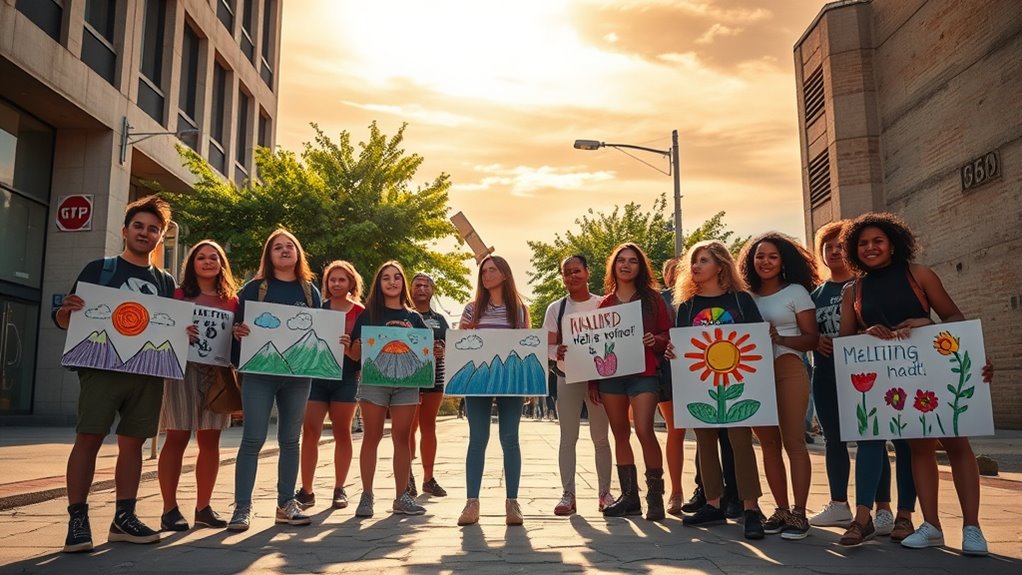
Have you ever felt overwhelmed by the news about climate change? It’s a common reaction, and it’s natural to feel helpless or anxious when faced with the scale of environmental issues. But instead of letting these feelings paralyze you, you can channel them into climate coping strategies that empower you rather than drain you. Climate coping involves finding ways to manage your emotional response while staying engaged with the problem. It’s about building resilience, seeking support, and staying informed without becoming overwhelmed. One effective approach is to focus on tangible actions you can take daily, like reducing energy consumption, supporting sustainable brands, or participating in community clean-ups. These steps can help you regain a sense of control and purpose, transforming anxiety into motivation.
Feeling overwhelmed by climate news? Focus on daily actions to regain control and turn anxiety into motivation.
Eco activism plays a vital role in turning concern into concrete change. When you get involved in activism, you connect with others who share your values and amplify your impact. Whether it’s attending protests, writing to policymakers, or spreading awareness on social media, your actions contribute to a larger movement for change. This involvement not only helps address environmental issues but also bolsters your mental health by giving you a sense of agency. Engaging in eco activism helps you see that your voice matters and that collective efforts can lead to meaningful progress. It shifts the focus from feeling powerless to being part of a solution.
To make this shift from anxiety to action effective, it’s essential to set realistic goals. Don’t aim for perfection or try to tackle every issue at once. Instead, pick a few areas where you can make a difference—whether it’s reducing waste, advocating for renewable energy, or educating others. Celebrate small victories, and remember that change takes time. Building a community around eco activism can also provide emotional support and encouragement, making it easier to stay committed. As you develop your climate coping skills, you’ll find that your anxiety diminishes and your confidence grows. You begin to see environmental challenges not as insurmountable problems but as opportunities for meaningful action.
In the end, transforming climate anxiety into action requires both emotional resilience and proactive engagement. By practicing climate coping and embracing eco activism, you turn fear into hope and concern into tangible change. Your efforts, no matter how small, contribute to a larger movement for a healthier planet. This journey from anxiety to action isn’t just about making a difference outside; it’s also about strengthening your own resolve and well-being. Every step you take is a proof of your commitment to a sustainable future, demonstrating that even in the face of intimidating challenges, you can be a catalyst for positive change.

AQUASTRONG Swimming Pool Heat Pump,Electric Pool Heater for Above Ground and Inground Pool,Heating and Cooling Pool Heater Pools Up to, 5000 Gallons
All-Season Pool Comfort: Featuring innovative dual-mode temperature control, this heat pump precisely heats water between 59–104°F or within...
As an affiliate, we earn on qualifying purchases.
Frequently Asked Questions
How Can Individuals Effectively Measure Their Environmental Impact?
You can effectively measure your environmental impact by calculating your carbon footprint and eco footprint regularly. Use online tools and apps to track your energy use, transportation, and waste. Keep an eye on your consumption patterns and set reduction goals. By monitoring these footprints, you’ll identify areas for improvement, making it easier to take meaningful actions that lessen your environmental impact and move from eco-concern to eco-change.
What Are the Most Successful Community-Led Climate Initiatives?
You see the success of urban greening projects like Detroit’s Green Infrastructure Initiative, which transforms vacant lots into parks and gardens, reducing heat and improving air quality. Community-led efforts like this often focus on renewable energy adoption, solar co-ops, and local sustainability workshops. These initiatives foster collaboration, empower residents, and create lasting change by directly improving neighborhoods and promoting eco-conscious behaviors.
How Does Climate Anxiety Affect Different Age Groups?
Climate anxiety affects different age groups through diverse generational responses. Young people often feel overwhelmed, but building emotional resilience helps them channel concerns into activism. Older generations might experience a mix of worry and urgency, motivating practical actions. You can support these responses by fostering open conversations and resilience strategies, enabling each age group to transform eco-concern into positive change. Recognizing these differences empowers everyone to stay engaged and proactive.
What Role Does Policy Advocacy Play in Personal Eco-Actions?
Policy advocacy acts as the bridge transforming your eco-concern into tangible change. When you push for policy change, you’re planting seeds for broader environmental impact. Your advocacy strategies amplify your voice, making it harder for decision-makers to ignore. By engaging in campaigns, petitions, or lobbying, you help shape policies that promote sustainability. Your actions become part of a ripple effect, turning individual worry into collective, lasting environmental progress.
How Can Workplaces Foster Sustainable Behaviors Among Employees?
You can foster sustainable behaviors by creating a green workplace with eco-friendly policies that encourage recycling, energy-saving, and sustainable commuting. Promote awareness through workshops and challenge employees to participate in eco initiatives. Recognize efforts and set clear, achievable goals to motivate ongoing engagement. When you make sustainability a core value, employees are more likely to adopt eco-friendly habits naturally, turning concern into meaningful environmental action.

Rinnai REHP50 Electric Heat Pump Water Heater – 50 Gallon, 240V, 30A, Energy Star Certified, 3.75 UEF, 73 Gallon First Hour Delivery for Residential Use
Energy-efficient performance: Energy Star Certified. Extracts heat from ambient air to deliver consistent hot water with zero emissions...
As an affiliate, we earn on qualifying purchases.
Conclusion
Now that you’re aware of your eco-anxiety, let it fuel your actions like a wildfire spreading hope. Each small step you take is a pebble causing ripples across the pond of change. Don’t let fear trap you in darkness—use it as a beacon guiding you toward solutions. Remember, your concern is the seed; your action, the blossom. Together, we can turn this storm of worry into a garden of hope and transformation.

AQUASTRONG Inverter Swimming Pool Heat Pump,Pool Heater for Above Ground and Inground Pool Heating and Cooling Pool Heater, Smart WiFi Control Pools Up to, 9000 Gallons
Extend Your Swim Season: The pool heat pump features a dual-mode heating and cooling system that maintains optimal...
As an affiliate, we earn on qualifying purchases.
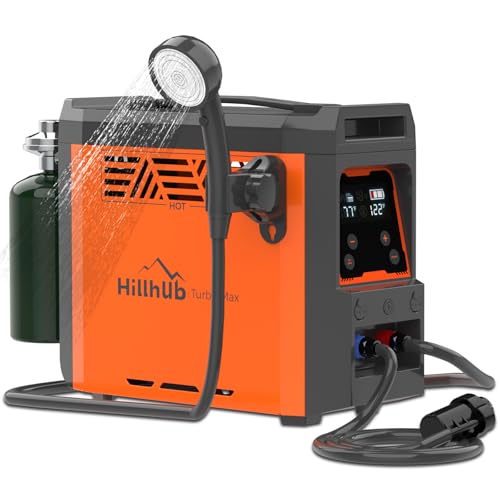
Hillhub Portable Propane Water Heater for Camping, Instant Hot Water Heater On Demand with 4000mAh Battery for Outdoor Showering and Cleaning, Included Water Pump & Showerhead
【3s Instant Heating】 Boasting 20,500 BTU ultra-heating efficiency, camping water heater delivers lightning-fast heating in just 3 seconds,...
As an affiliate, we earn on qualifying purchases.