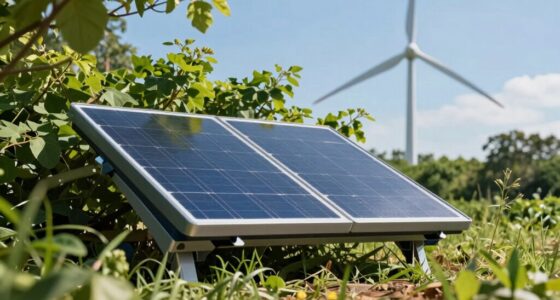
AI is transforming energy management by making systems smarter, more reliable, and sustainable. It helps you monitor and control energy use in real-time, identifying consumption patterns and optimizing demand response. AI also supports integrating renewable sources and predicts fluctuations, ensuring grid stability. With advanced algorithms, it enhances energy storage and detects cyber threats, protecting critical infrastructure. If you keep exploring, you’ll discover how these innovations are shaping the future of energy systems.

Prime made for students and young adults
- Fast, free delivery for dorm and study essentials
- Prime Video and Amazon Music included
- Member-only deals
Key Takeaways
- AI enhances energy grid security by detecting and mitigating cyber threats in real-time.
- It enables smart grids to optimize energy distribution and respond dynamically to consumption changes.
- AI analyzes consumption patterns to facilitate demand response, reducing peak load and energy costs.
- Advanced forecasting models predict renewable energy output, improving grid stability and integration.
- AI optimizes energy storage systems to balance supply and demand efficiently and support renewable use.

AI-driven network security measures are essential to protect critical energy infrastructure from cyber threats, ensuring a resilient and secure energy system.
Smart grids are another critical component in modern energy management, and AI plays a central role in their development. These intelligent networks use AI to monitor and control energy distribution dynamically. Instead of relying on traditional, static systems, smart grids adapt in real-time to changing conditions, ensuring energy is delivered efficiently. When you use smart meters or connected appliances, AI processes the data they generate, enabling utilities to optimize energy dispatch and detect issues before they escalate. This proactive approach reduces downtime and minimizes energy loss. Additionally, AI-driven analytics help identify patterns in consumption, informing demand response strategies that encourage consumers to shift usage during peak times. This not only eases strain on the grid but also helps lower energy costs for everyone. Understanding renewable integration and its challenges is crucial for developing effective AI solutions that foster a sustainable future. Moreover, integrating advanced forecasting** techniques allows utilities to better anticipate fluctuations in renewable energy production, further enhancing grid stability. Incorporating energy storage systems** into AI models can optimize the use of stored energy, balancing supply and demand more effectively.
As an affiliate, we earn on qualifying purchases.
Frequently Asked Questions
How Does AI Predict Future Energy Consumption Patterns?
You can see AI predict future energy consumption patterns by analyzing historical data, consumer behavior, and renewable integration trends. It uses machine learning models to identify patterns and forecast demand spikes or drops. By understanding how consumers use energy and how renewables contribute, AI helps optimize energy distribution, reduce waste, and improve efficiency. This predictive ability guarantees a more reliable, sustainable energy system tailored to future needs.
What Types of Data Are Essential for AI Energy Management Systems?
You need detailed data like real-time energy consumption, weather patterns, and renewable integration metrics for AI energy management systems. Demand forecasting models rely heavily on historical usage and weather forecasts, while renewable integration data helps optimize the use of solar or wind sources. Combining these data types allows AI to predict consumption patterns accurately, improve efficiency, and support sustainable energy solutions effectively.
How Does AI Enhance Grid Resilience During Outages?
Think of AI as your energy grid’s vigilant guardian, constantly monitoring and adjusting to threats. During outages, AI enhances grid resilience by quickly analyzing real-time data, predicting potential failures, and orchestrating outage responses smoothly. It maintains grid stability by dynamically balancing supply and demand, rerouting power when necessary, and minimizing downtime. This proactive approach guarantees your energy remains dependable, even when unexpected disruptions threaten the system.
What Are the Cost Implications of Implementing AI Solutions?
Implementing AI solutions involves upfront costs for technology and integration, but a thorough cost analysis shows long-term savings. You’ll see improvements in efficiency, reducing energy waste and operational expenses. ROI estimation indicates that the initial investment pays off as AI optimizes energy use and minimizes outages. While costs vary, many organizations find that the benefits outweigh expenses, making AI a smart choice for sustainable, cost-effective energy management.
How Secure Is Ai-Based Energy Management From Cyber Threats?
AI-based energy management systems are becoming more secure, but cybersecurity challenges still exist. You need to implement robust security measures to protect sensitive data and prevent cyber threats. Ethical considerations are also vital, ensuring AI operates transparently and responsibly. Regular updates, strong encryption, and vigilant monitoring help mitigate risks, giving you confidence that your energy systems remain safe from cyber attacks while aligning with ethical standards.
As an affiliate, we earn on qualifying purchases.
Conclusion
As you embrace the quiet revolution AI brings, you’re gently steering energy management toward a brighter, more sustainable future. With every smart decision, you’re helping to weave a delicate balance between demand and supply, reducing strain on our planet’s resources. While the changes may seem subtle at first, they’re paving the way for a more harmonious coexistence with our environment. In this evolving landscape, your role becomes a crucial part of a peaceful, energy-efficient tomorrow.
renewable energy forecasting device
As an affiliate, we earn on qualifying purchases.
As an affiliate, we earn on qualifying purchases.
As an affiliate, we earn on qualifying purchases.
Fall Picks
fall essentials
As an affiliate, we earn on qualifying purchases.