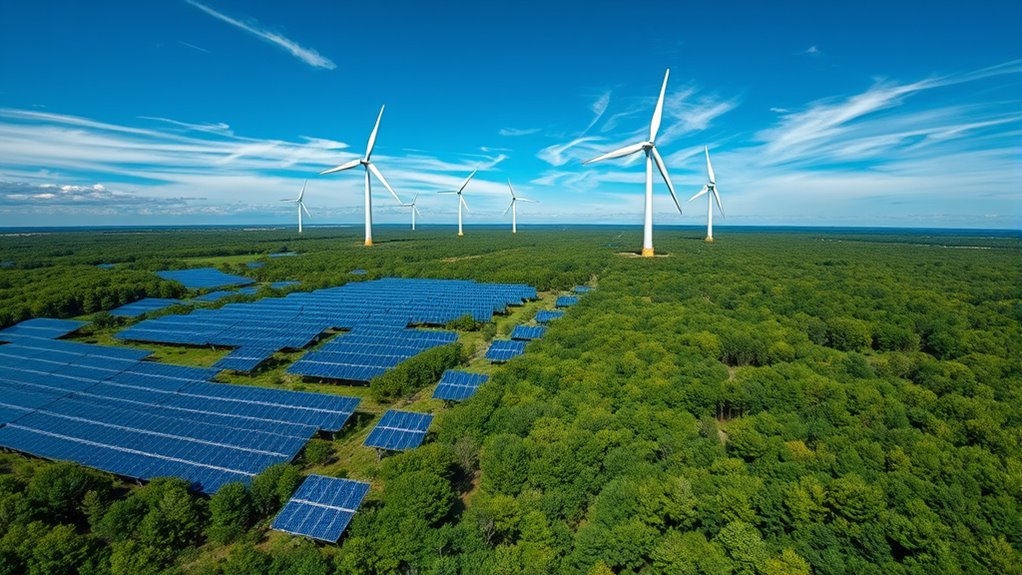

Artificial intelligence is playing a crucial role in fighting climate change by optimizing renewable energy sources like wind and solar, improving energy efficiency, and supporting grid stability. It helps conserve ecosystems by monitoring endangered species and detecting habitat threats early. AI also analyzes environmental data in real-time, guiding smarter decisions for sustainability. If you keep exploring, you’ll discover how AI’s innovative solutions continue to shape a greener, more resilient planet for everyone.
Key Takeaways
- AI predicts renewable energy output, optimizing production and reducing waste to lower carbon emissions.
- It enhances grid management, integrating renewable sources smoothly and preventing blackouts.
- AI monitors ecosystems and detects deforestation, enabling swift conservation actions.
- It analyzes environmental data in real-time to improve climate models and inform policy decisions.
- AI supports wildlife protection by tracking endangered species and preventing poaching activities.
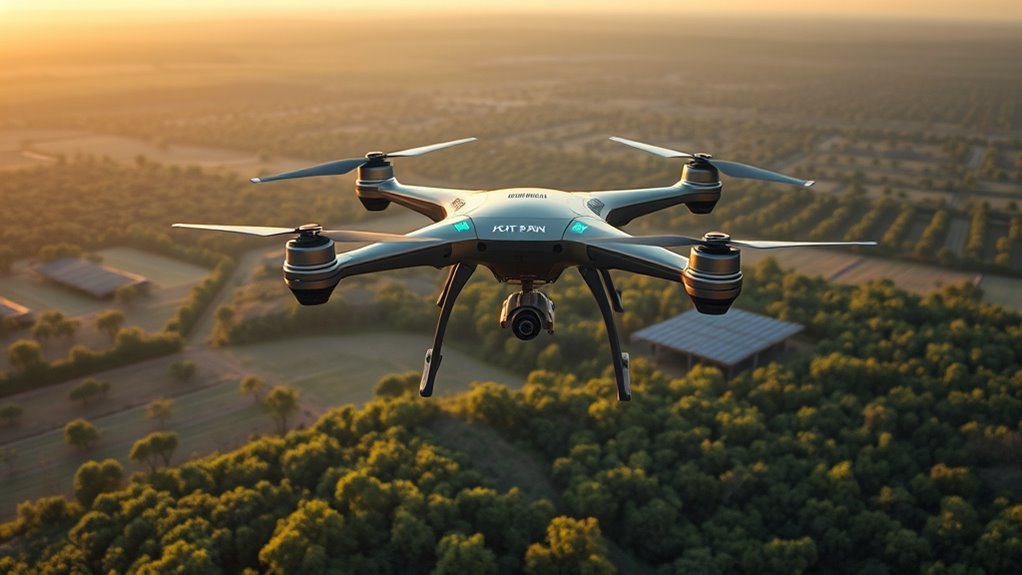
Have you ever wondered how artificial intelligence can help protect our planet? AI is transforming the way we address climate change and environmental challenges, especially through innovations in renewable energy and wildlife conservation. As you become more aware of these advancements, you’ll see how AI-driven solutions empower us to reduce carbon emissions, preserve biodiversity, and build a sustainable future.
Discover how AI helps protect our planet through renewable energy and wildlife conservation innovations.
In the universe of renewable energy, AI plays a vital role by optimizing energy production and consumption. You might not realize it, but AI algorithms analyze vast amounts of data from wind turbines, solar panels, and other sources to predict energy output with remarkable accuracy. This helps energy providers adjust operations in real-time, maximizing efficiency and reducing waste. For example, AI can forecast weather patterns, enabling solar farms to better anticipate sunlight availability, or wind farms to fine-tune their operations based on wind forecasts. As a result, renewable energy becomes more reliable and cost-effective, encouraging wider adoption and decreasing our reliance on fossil fuels. With AI’s help, integrating renewable sources into power grids is smoother, preventing blackouts and ensuring a steady supply of clean energy. This technological edge accelerates the transition to sustainable energy systems, directly combating climate change. Additionally, the integration of lithium-ion battery storage with AI optimizations further enhances energy stability and storage capacity, supporting renewable energy deployment.
Wildlife conservation benefits profoundly from AI as well. You might be surprised to learn that AI-powered cameras and sensors are helping scientists monitor endangered species more efficiently. These tools automatically identify animals, track their movements, and detect poaching activities, often in remote locations where human patrols are limited. This constant surveillance allows conservationists to respond swiftly to threats and gather valuable data on animal behavior and population trends. AI also analyzes satellite imagery to identify deforestation or habitat destruction early on, giving conservation teams a chance to intervene before irreversible damage occurs. By enabling more targeted and effective conservation strategies, AI helps protect vulnerable ecosystems and preserve biodiversity. This not only benefits wildlife but also maintains the ecological balance essential for a healthy planet.
As you see, AI’s influence extends across various environmental domains. Its ability to analyze complex data in real-time makes it an invaluable tool in fighting climate change. Whether through enhancing renewable energy systems or safeguarding wildlife, AI empowers us to make smarter decisions and take effective action. Embracing these innovations means you’re part of a broader movement toward sustainability. It’s a reminder that technology, when used responsibly, can be a powerful ally in protecting our planet for future generations.
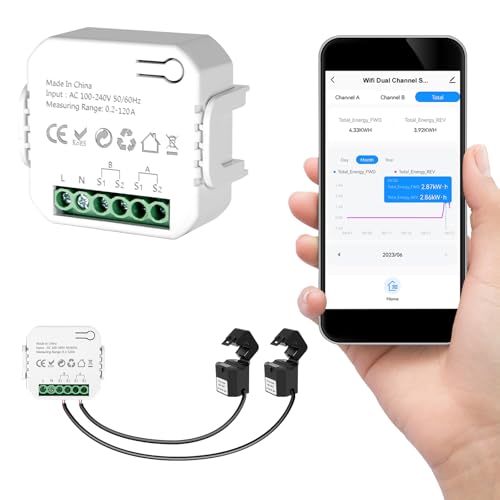
Smart Home Energy Monitor 2×120A, Dual-Channel Real-Time Electricity Usage Monitoring for Household Power, WiFi Energy Meter with App Control, Compatible with Tuya/Smart Life
【Dual-Channel Energy Monitoring】 This smart home energy monitor features two independent high-capacity sensing channels, allowing you to track…
As an affiliate, we earn on qualifying purchases.
As an affiliate, we earn on qualifying purchases.
Frequently Asked Questions
How Does AI Predict Future Climate Change Impacts?
You can see how AI predicts future climate change impacts by analyzing vast amounts of climate data using predictive analytics. It identifies patterns and trends, helping you understand potential outcomes. AI models simulate different scenarios, allowing you to anticipate effects like rising temperatures or sea levels. This proactive approach enables better planning and decision-making, empowering you to implement strategies that mitigate harmful impacts and protect the environment effectively.
Can AI Identify Undiscovered Environmental Threats?
Think of AI as a vigilant detective, uncovering hidden clues before disaster strikes. It can identify undiscovered environmental threats by analyzing data from pollution tracking and disaster detection systems. For instance, AI detected a new source of microplastic pollution in a remote ocean area before it became widely known. This proactive approach helps us address threats early, safeguarding ecosystems and communities from unseen dangers.
What Are Ai’s Limitations in Climate Modeling?
You should know that AI’s limitations in climate modeling include data bias, which can skew predictions and reduce accuracy. Also, model interpretability is often low, making it hard for you to understand how AI arrives at specific conclusions. This lack of transparency can hinder trust and effective decision-making. While AI is powerful, these issues mean you can’t rely on it entirely without careful validation and ongoing improvements.
How Is AI Used in Renewable Energy Optimization?
You can use AI to optimize renewable energy by enhancing smart grid management and improving energy storage systems. AI predicts energy demand and adjusts the distribution in real-time, ensuring efficiency. It also optimizes energy storage by forecasting supply fluctuations, reducing waste and maintaining a steady energy flow. This way, AI helps maximize renewable sources like wind and solar, making clean energy more reliable and accessible for everyone.
Are There Ethical Concerns With AI Climate Interventions?
You should be aware that about 60% of people worry about privacy concerns with AI-driven climate interventions. Ethical concerns include potential bias in algorithms and privacy issues. While AI can help address climate change, it’s vital to mitigate bias and protect personal data. Ensuring transparency and accountability in AI systems helps balance innovation with ethical responsibility, so you can trust that climate solutions remain fair and respectful of everyone’s rights.

5G Bird Watching Camera, Hibird Smart AI Identify and Auto Capture 10000+ Bird Species IP66 Mini Wireless Watching Camera with Solar Panel, Ideal Gift for Birds Lover
【AI-Powered Bird Identification】Recognize and identify 10,000+ bird species in real-time using smart AI technology. The system provides detailed…
As an affiliate, we earn on qualifying purchases.
As an affiliate, we earn on qualifying purchases.
Conclusion
As you’ve seen, AI is transforming how we fight climate change, opening solutions once thought impossible. But as the technology advances, questions linger—can we harness it responsibly before it’s too late? The future depends on your choices today. Will you champion innovative solutions or let the opportunity slip away? The stakes are higher than ever. The clock is ticking—what role will you play in shaping this critical battle for our planet?

Klein Tools 68426S Solar Panel Insulating Wrench, Assembly and Disassembly Tool for MC4 Style PV Connectors, 2-Piece
SOLAR INSULATING WRENCH: Designed for MC4 Style PV connectors, facilitating both assembly and disassembly tasks effortlessly
As an affiliate, we earn on qualifying purchases.
As an affiliate, we earn on qualifying purchases.

Grid-Scale Energy Storage Systems and Applications
As an affiliate, we earn on qualifying purchases.
As an affiliate, we earn on qualifying purchases.